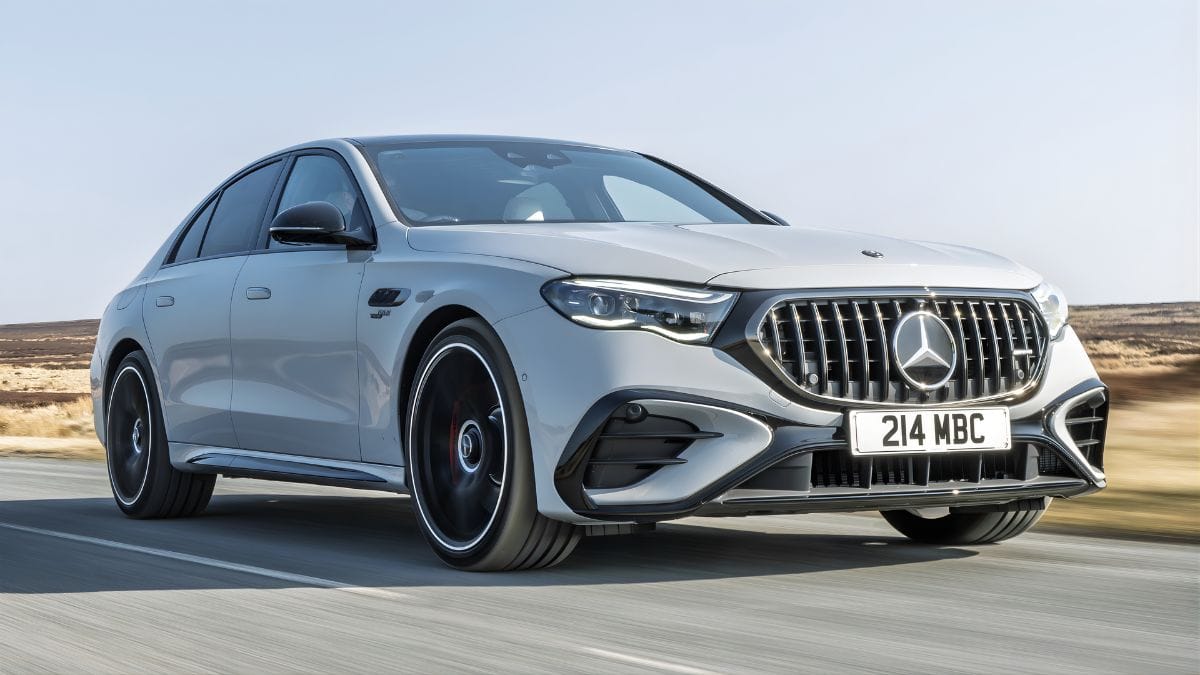
Mercedes-Benz India has officially announced a price hike across its entire model lineup, effective from January 2026. As the first carmaker in India to declare a price revision for the new year, the move sets the tone for what is likely to be a wave of similar announcements from other automakers in the coming weeks.
The brand has confirmed that the price increase will be up to two percent, depending on the model. While this isn’t the steepest hike we’ve seen, it still affects premium buyers looking to purchase a luxury vehicle in early 2026.
Reason
Why the hike? Well, it’s not just one reason. Mercedes-Benz has cited a combination of economic and operational challenges. These include:
- Currency fluctuations, particularly the Euro trading consistently over the Rs. 100 mark
- Rising input and raw material costs
- Higher freight and logistics charges
- Overall inflationary pressure
The company emphasized that these combined factors have significantly increased its cost of operations in India. And while it is trying to absorb a portion of these rising costs, passing on a part of the burden to customers was inevitable.
Impact
The increase of up to two percent will apply across the board — covering both locally manufactured and imported vehicles (CBUs). Though the exact model-wise hike is yet to be revealed, expect the price tags of popular models like the GLC, GLE, GLS, C-Class, and E-Class to go up starting January.
Here’s a rough idea of what a two percent increase might look like:
| Model | Current Price (Approx) | 2% Hike Estimate |
|---|---|---|
| Mercedes-Benz GLC | ₹75 lakh | ₹1.5 lakh |
| Mercedes-Benz C-Class | ₹65 lakh | ₹1.3 lakh |
| Mercedes-Benz GLS | ₹1.40 crore | ₹2.8 lakh |
| Mercedes-Benz EQA (EV) | ₹66 lakh | ₹1.32 lakh |
This rise might not drastically affect premium buyers, but it could influence those on the fence about their purchase decision.
Adjustment
Interestingly, Mercedes-Benz is also considering switching to a quarterly price review strategy. With forex volatility and global economic fluctuations becoming the new normal, the brand might adjust pricing more frequently rather than waiting for an annual review.
This means future hikes — or even reductions if the situation improves — could happen every three months. It’s a sign of how dynamic pricing is becoming in the auto industry, especially in the luxury segment.
Statement
Santosh Iyer, Managing Director and CEO of Mercedes-Benz India, highlighted the reasoning behind the decision. He pointed out that the persistent currency headwinds, especially the Euro remaining over Rs. 100, have had a prolonged impact on operations.
He added that the company has worked to reduce the impact on customers by leveraging lower interest rates from the RBI’s ongoing repo rate cuts. This has allowed Mercedes-Benz Financial Services to offer better financing options, somewhat offsetting the price increase.
In simple terms, while prices are going up, better loan and EMI options might cushion the blow for buyers.
Outlook
With other luxury and mainstream brands expected to follow Mercedes-Benz’s lead, this price increase is likely just the beginning. Carmakers across the board are feeling the pinch of rising costs and currency challenges.
If you’re planning to buy a Mercedes-Benz in the coming weeks, now might be the right time to act. Once the hike kicks in, you’ll be looking at a higher on-road price regardless of the model.
Mercedes-Benz continues to stay committed to offering top-notch products and services, and even with the increase, its vehicles remain highly competitive in their segments. However, the new year could bring a slightly steeper entry point for buyers eyeing luxury wheels.
FAQs
When will the new prices take effect?
From January 2026 across all Mercedes-Benz models.
How much is the price increase?
Up to two percent depending on the model.
Why is Mercedes increasing prices?
Due to forex issues, input cost rise, and inflation.
Will this affect all models?
Yes, the hike applies to all models sold in India.
Are other brands also increasing prices?
Yes, most OEMs are expected to follow soon.