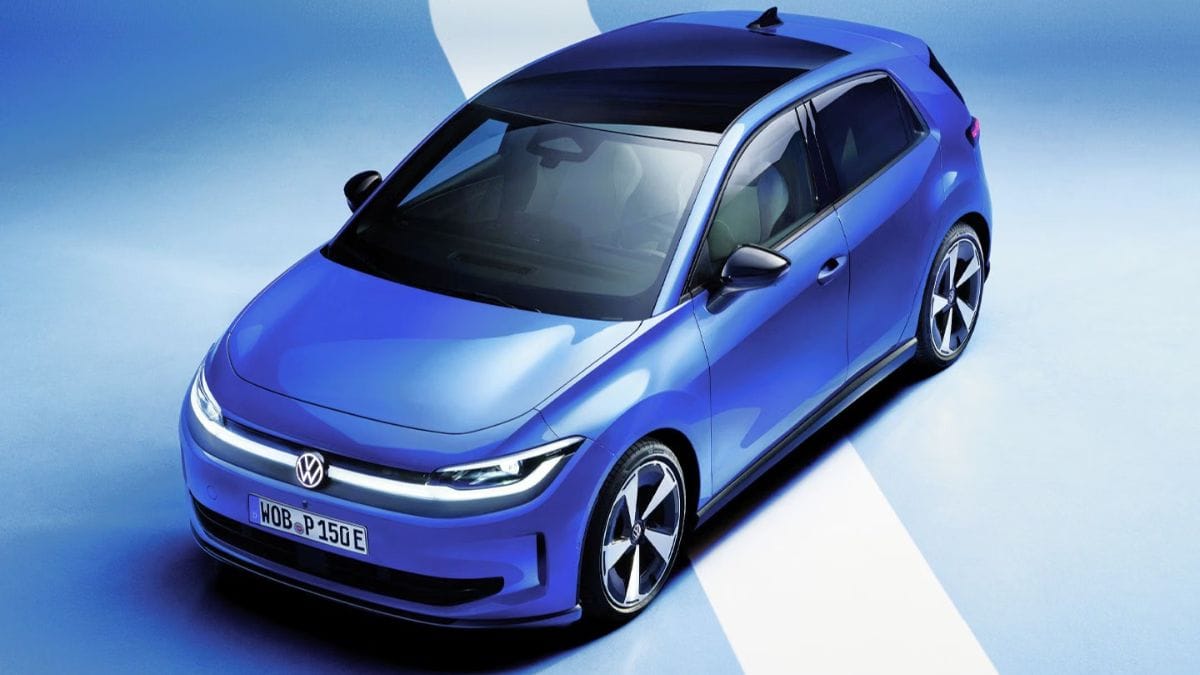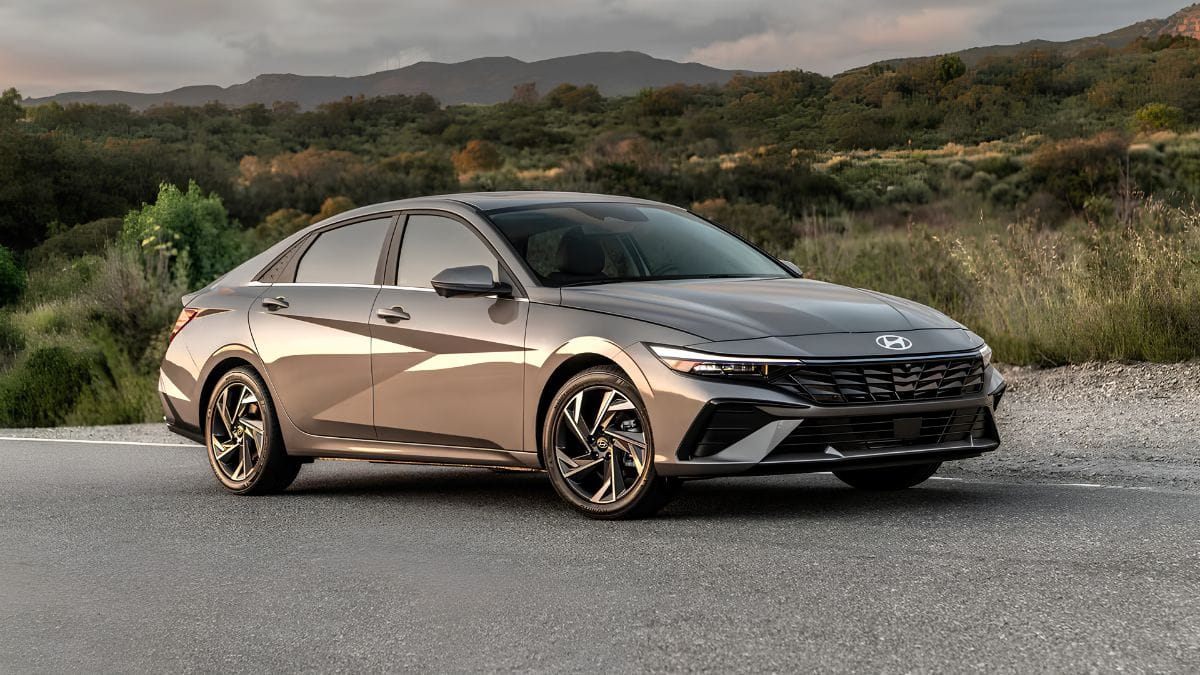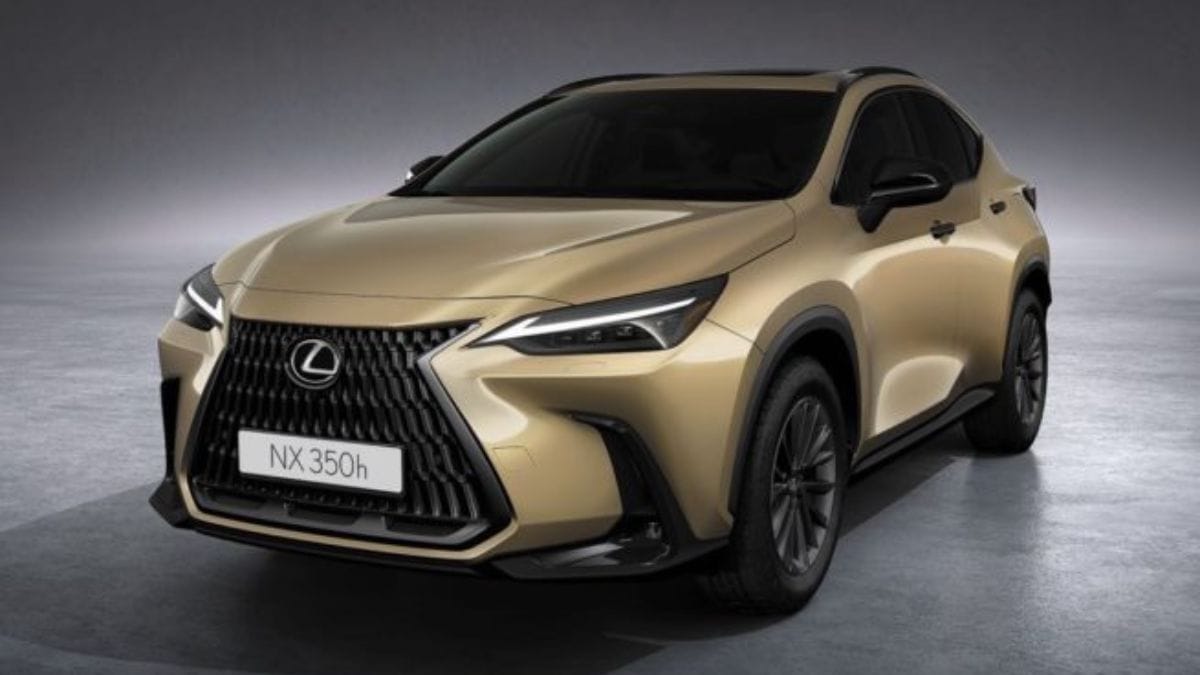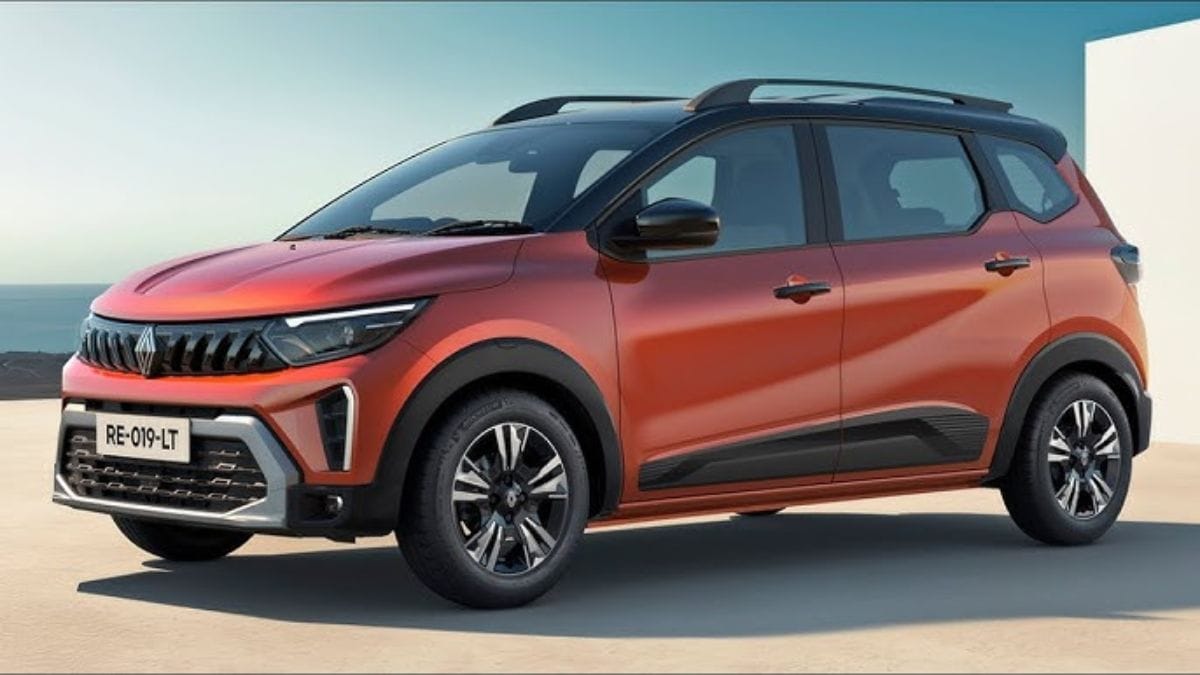
The entry-level SUV segment is undergoing a notable transformation, emerging as one of the most competitive spaces in the automotive market. What began with the launch of the Tata Punch in 2021 has evolved into a segment defined by rapid updates, feature-rich offerings, and growing consumer expectations. With recent facelifts and new entrants on the horizon, traditional small cars are increasingly being challenged to stay relevant.
Shift
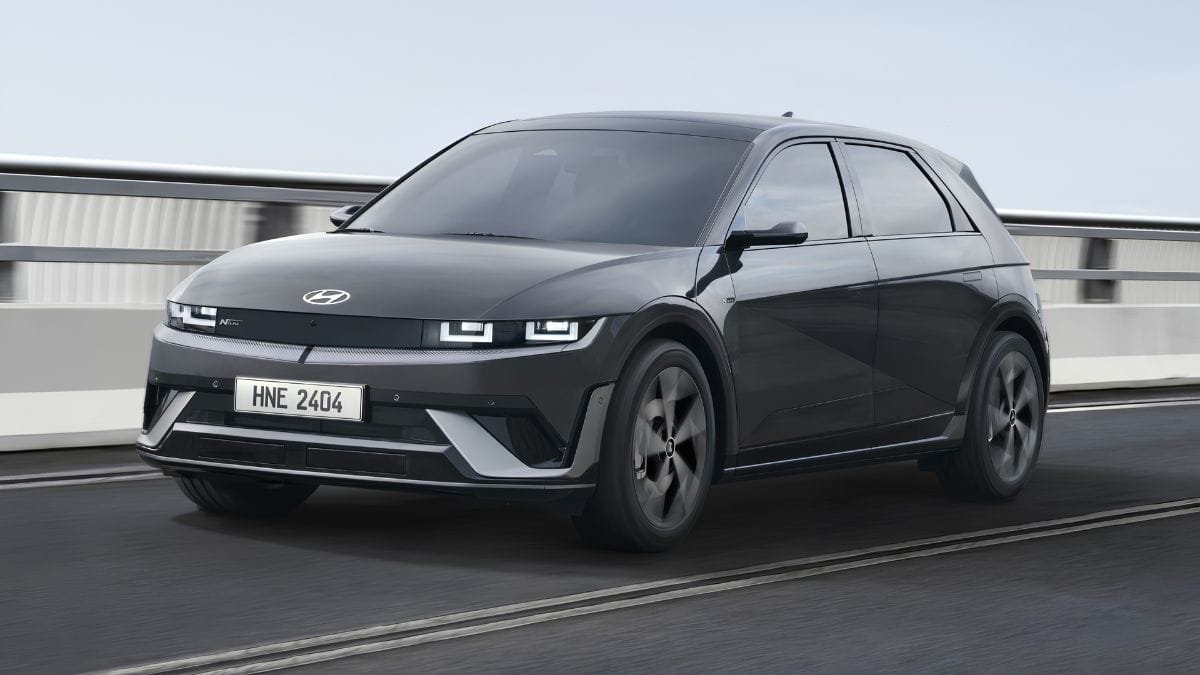
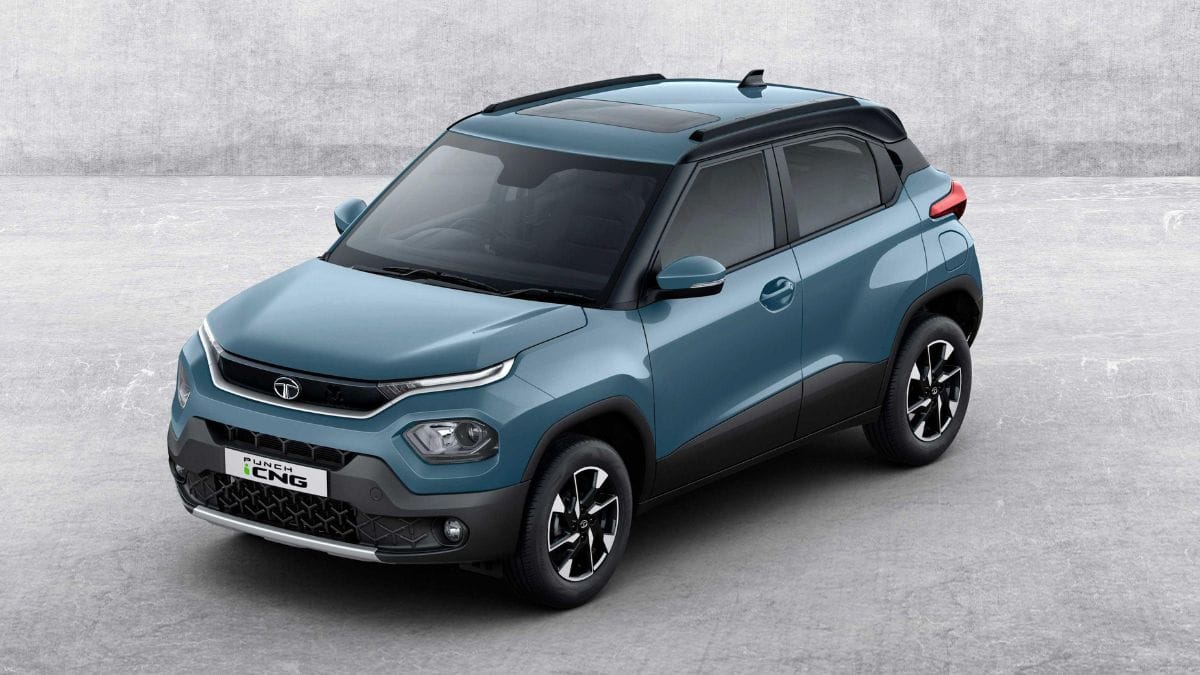
A key development in this segment is the facelifted Tata Punch, introduced in January, alongside updates to the Hyundai Exter. These changes go beyond surface-level design revisions. They reflect a broader shift in consumer demand, where buyers expect more value, technology, and versatility even at the entry level.
Earlier, affordability often came with compromises in design and features. That balance is changing. Buyers now look for SUV-inspired styling, higher seating positions, and a wider range of features, even in compact vehicles.
Upgrades
Both the Tata Punch and Hyundai Exter have received significant upgrades, particularly in terms of features and in-cabin technology. These additions align the segment more closely with higher categories, narrowing the gap between budget and premium offerings.

A comparison of key features highlights the extent of these upgrades:
| Feature | Tata Punch Facelift | Hyundai Exter |
|---|---|---|
| Digital Displays | Yes | Yes |
| Panoramic Sunroof | Yes | Yes |
| Wireless Connectivity | Yes | Yes |
| TPMS | Yes | Yes |
| Rear USB-C Ports | Yes | Yes |
| Turbo Petrol Engine | Yes | No |
| Paddle Shifters | Yes | No |
| EV Option | Yes | No |
The Tata Punch stands out with additional offerings such as a turbo-petrol engine, paddle shifters for the automatic variant, and an electric version. These options provide greater flexibility for buyers with varying priorities, including performance and sustainability.
Space
Boot space has traditionally been a limitation in compact vehicles, especially those equipped with CNG systems. Conventional setups often reduce usable storage due to the placement of fuel cylinders.
Manufacturers have addressed this concern with new engineering solutions. Tata employs a twin-cylinder layout, while Hyundai uses its HY-CNG system. Both approaches aim to optimize luggage space without compromising on fuel efficiency.

In both vehicles, the spare tyre is positioned under the body, which further helps in maintaining practical storage capacity. These design adjustments indicate a more thoughtful approach to balancing utility and alternative fuel options.
Battle
In terms of market performance, the Tata Punch continues to lead the segment. It consistently records higher monthly sales compared to the Hyundai Exter. One contributing factor is Tata’s combined reporting of internal combustion engine and electric vehicle sales under the Punch nameplate, which increases its overall volume.
However, even when considered independently, the Punch maintains a strong presence. Hyundai’s Exter, while performing steadily, has yet to match these figures. The recent updates are expected to improve its competitiveness, particularly among buyers prioritizing features and brand familiarity.
Pressure
The expansion of the entry-level SUV segment is placing pressure on traditional small cars, including hatchbacks and compact sedans. These vehicles now compete with SUVs that offer similar pricing but additional perceived benefits.
Key advantages of entry-level SUVs include:
- Higher driving position
- More pronounced road presence
- Expanded feature lists
- Comparable price points
As a result, buyers often evaluate compact SUVs as more versatile options. This shift is influencing purchasing decisions, especially among first-time car buyers.
For manufacturers of small cars, this presents a challenge. Increasing vehicle size or engine capacity is not always feasible without affecting cost. Therefore, the focus is shifting toward enhancing feature offerings and improving overall value.
Entry
Maruti Suzuki is expected to enter this segment within the next two years with a new compact SUV. The model is anticipated to feature a boxy design, along with multiple powertrain options, including CNG or CBG and a possible electric variant.
Positioned close to the pricing of the Swift, this upcoming vehicle is likely to target a broad audience. Maruti’s established distribution network and market reach could influence the competitive dynamics of the segment once the model is introduced.
Future
The entry-level SUV segment is likely to continue evolving as manufacturers respond to changing consumer expectations. Several trends are expected to shape its future:
- Greater adoption of electric powertrains
- Increased standardization of advanced features
- Continued focus on space optimization and practicality
As these developments unfold, the distinction between entry-level and mid-range vehicles may become less pronounced. Buyers will have access to more options that combine affordability with modern features.
The growing prominence of entry-level SUVs suggests a shift in how value is defined in the automotive market. Rather than focusing solely on price, consumers are increasingly considering design, technology, and flexibility. This transition is expected to influence product planning across segments, including traditional small cars.
FAQs
What defines an entry-level SUV?
It is a compact, affordable SUV with basic features.
When was the Punch facelift launched?
It was launched in January.
Does the Punch offer an EV option?
Yes, it includes an electric variant.
What is twin-cylinder CNG tech?
It improves boot space in CNG vehicles.
Is Maruti entering this segment?
Yes, within the next two years.