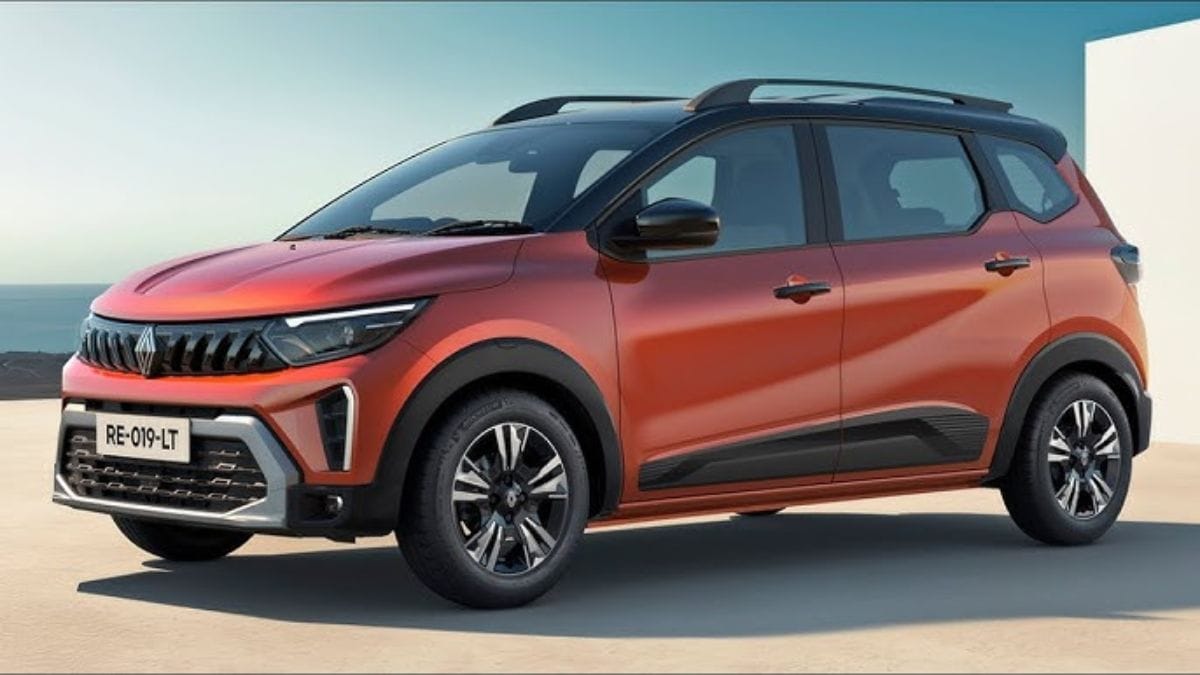
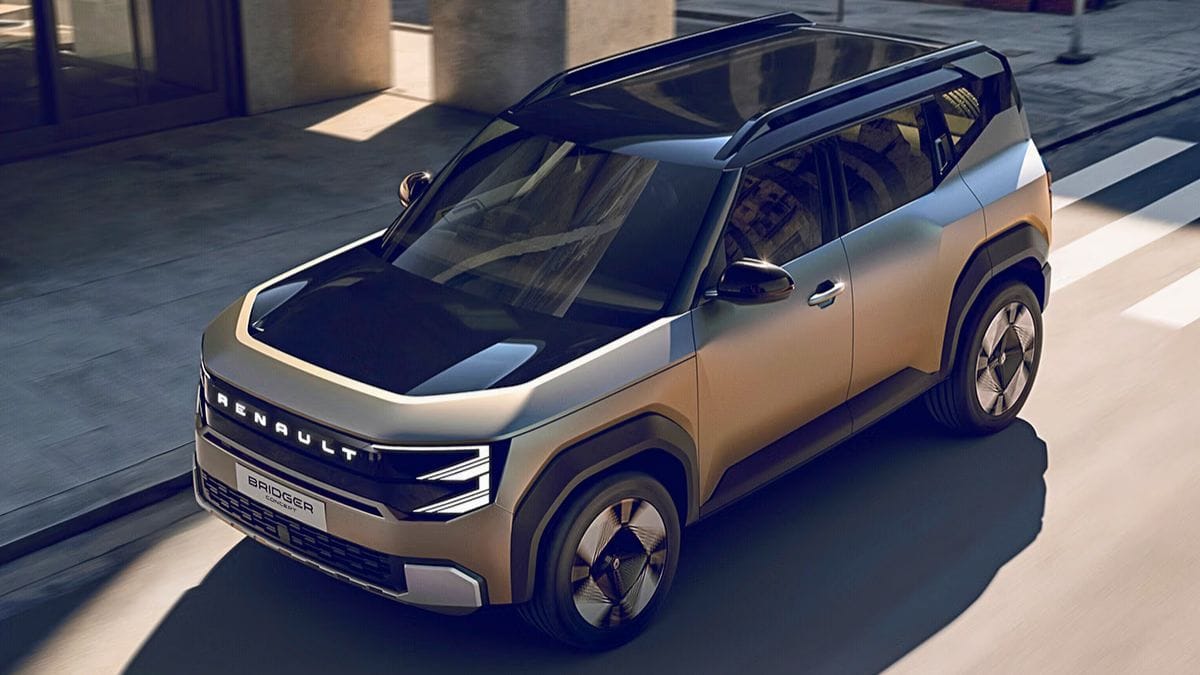
Renault India is preparing to expand its product portfolio with the introduction of a new sub-4m SUV, expected to be named the Bridger. The model is likely to play a key role in the company’s updated strategy for the Indian market. Early details suggest that the Bridger will be offered with both an internal combustion engine and a battery electric version, marking a notable step in Renault’s local roadmap.
This development follows Renault’s broader “Renaulution” and India-focused initiatives, indicating a renewed emphasis on product competitiveness and future-ready technologies.
The upcoming Renault Bridger is expected to be positioned in the sub-compact SUV segment, which continues to see steady demand in India. This category is driven by affordability, compact dimensions, and increasing feature expectations among buyers.
Renault’s approach appears to focus on offering multiple powertrain choices, allowing the Bridger to cater to both traditional buyers and those considering electric mobility.
Engine
On the internal combustion side, Renault has confirmed that the Bridger will be powered by a 1.2-litre turbocharged petrol engine. This marks a shift towards more performance-oriented offerings in a segment typically dominated by naturally aspirated units.
Key expected specifications are outlined below:
| Specification | Details |
|---|---|
| Engine Type | 1.2-litre turbo petrol |
| Configuration | Three-cylinder |
| Power Output | Approx. 113.4 bhp |
| Segment | Sub-4m SUV |
The engine is likely to be derived from Renault’s global lineup, possibly shared with the upcoming Renault Clio 6. This indicates a move towards standardizing powertrains across markets while maintaining competitive performance.
Performance
The introduction of a turbocharged engine in this segment suggests a focus on improved drivability and responsiveness. Compared to naturally aspirated engines, turbo units typically offer better torque delivery, especially at lower RPMs.

This could enhance both city and highway driving experiences, making the Bridger more versatile. The expected output of over 110 bhp places it among the more powerful options in its category.
Electric
In addition to the petrol variant, Renault is planning an all-electric version of the Bridger. This will be the brand’s first battery electric vehicle in India.
While detailed specifications of the EV variant are not yet available, its introduction reflects Renault’s intent to participate in India’s growing electric vehicle segment.
Globally, Renault already offers electric models such as the Kwid E-Tech. Leveraging this experience could help the company localize EV technology more effectively for Indian conditions.

Strategy
Renault’s dual powertrain approach indicates a broader strategic shift. By offering both ICE and EV versions of the same model, the company can address a wider customer base without developing entirely separate platforms.
Additionally, there are indications that India may serve as a production hub for export-spec versions of the Bridger. This aligns with the industry trend of using India as a manufacturing base for cost-efficient global supply.
Segment
The Bridger is expected to be priced under Rs. 15 lakh, placing it in a highly competitive segment. This price band includes several established and emerging models.
A comparison of expected positioning is shown below:
| Model | Power Output | Fuel Type |
|---|---|---|
| Renault Bridger | ~113 bhp | Petrol / EV |
| Tata Punch Turbo (expected) | ~118 bhp | Petrol |
| Other compact SUVs | Varies | Petrol / Diesel |
The inclusion of a turbocharged engine could help Renault differentiate the Bridger in terms of performance, while the EV variant may attract early adopters of electric mobility.
Competition
The Bridger will face competition from both conventional and upcoming models in the compact SUV segment. These include turbocharged petrol offerings as well as entry-level electric vehicles.
As more manufacturers introduce turbo engines and EVs in this space, differentiation will depend on pricing, features, and after-sales support.
Context
Renault has been relatively conservative in introducing new products in India in recent years. The Bridger represents a shift towards a more proactive product strategy.
The addition of a turbocharged engine addresses a gap in Renault’s current lineup, particularly in the sub-Rs. 15 lakh segment where performance-oriented options are gaining traction.
At the same time, the EV version signals alignment with regulatory trends and consumer interest in electric mobility.
Outlook
The success of the Bridger will depend on several factors, including pricing, feature packaging, and market timing. If positioned competitively, the model could strengthen Renault’s presence in the compact SUV segment.
The EV variant, in particular, will require careful pricing and infrastructure support to achieve meaningful adoption. However, being Renault’s first electric offering in India, it is likely to receive focused attention from the brand.
Overall, the Bridger reflects Renault’s intent to balance current market demands with future mobility trends, offering a mix of performance and electrification within a single product line.
FAQs
What engine will Bridger use?
A 1.2L turbo petrol engine.
Will Bridger have an EV version?
Yes, an electric variant is planned.
What is expected power output?
Around 113 bhp.
Is this Renault’s first EV in India?
Yes, it will be the first.
What segment will it compete in?
Sub-4m compact SUV segment.