BYD India has announced a price revision across its electric vehicle portfolio, effective May 2026. The increase, set at up to three percent, will apply to all models currently on sale in the country. In absolute terms, the hike is expected to range between Rs. 50,000 and Rs. 1.5 lakh, depending on the model and variant.
The development comes at a time when global supply chains continue to face disruptions. Rising shipping costs and logistical constraints, influenced by geopolitical tensions, have contributed to increased input and delivery expenses for automakers operating in import-dependent markets like India.
The upcoming revision will impact BYD’s entire lineup in India. While the company has not specified exact variant-wise increments, it has confirmed that the increase will not exceed three percent.
Such adjustments are not uncommon in the automotive industry, particularly when external cost pressures persist over a sustained period. In this case, higher freight charges and supply chain inefficiencies appear to be the primary drivers behind the decision.

It is also relevant to note that the Sealion 7 model had already received a price increase of Rs. 50,000 in January 2026. It remains unclear whether the May revision will be applied over and above that increase or limited to other models.
Models
BYD’s India portfolio currently includes four models, each positioned in the premium electric vehicle segment. These vehicles cater to different use cases, ranging from urban commuting to family-oriented mobility.
The lineup includes:
- Atto 3 – A compact electric SUV positioned as an entry point into BYD’s range
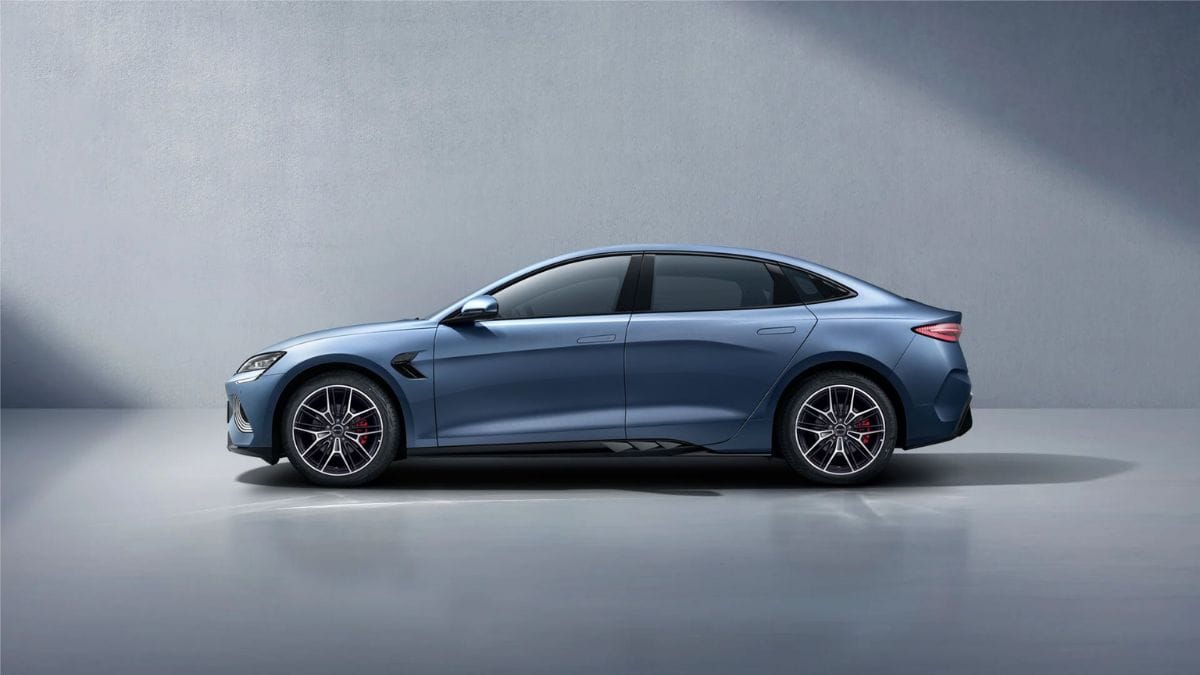
- Seal – A premium electric sedan designed for performance and comfort
- eMAX 7 – A multi-purpose vehicle available in both six- and seven-seat configurations
- Sealion 7 – A higher-end SUV offering advanced features and performance variants
All these models will be subject to the revised pricing structure from May 2026.

Prices
The following table outlines the current ex-showroom prices of BYD models in India before the announced hike:
| Model | Variant | Current Price (Ex-showroom) |
|---|---|---|
| Sealion 7 | Premium (RWD) | Rs. 49.40 lakh |
| Performance (AWD) | Rs. 54.90 lakh | |
| Anniversary Edition | Rs. 54.90 lakh | |
| Atto 3 | Dynamic | Rs. 24.99 lakh |
| Premium | Rs. 25.89 lakh | |
| Superior | Rs. 33.99 lakh | |
| Seal | Dynamic | Rs. 41 lakh |
| Premium | Rs. 45.70 lakh | |
| Performance | Rs. 53.15 lakh | |
| eMAX 7 | Premium (6-seater) | Rs. 26.90 lakh |
| Premium (7-seater) | Rs. 27.50 lakh | |
| Superior (6-seater) | Rs. 29.30 lakh | |
| Superior (7-seater) | Rs. 29.90 lakh |
Based on the announced increase, higher-priced variants such as the Sealion 7 Performance and Seal Performance could see increments closer to Rs. 1.5 lakh, while entry-level variants may witness relatively lower adjustments.
Impact
For prospective buyers, the timing of purchase becomes a practical consideration. Those planning to acquire a BYD vehicle before May 2026 may avoid the revised pricing.
From a market standpoint, such price changes can influence short-term buying behavior. Some customers may advance their purchase decisions, while others may reassess options within the same price bracket.

However, in the premium EV segment, purchase decisions are often influenced by product features, brand positioning, and ownership experience, in addition to price.
Reasons
The primary factors behind the price revision are linked to global logistics and supply chain challenges. Ongoing geopolitical tensions, particularly in the Middle East region, have affected major shipping routes. This has resulted in higher freight costs and delays in the movement of goods.
For automakers like BYD, which rely on imported components and fully built units, these cost increases directly impact overall pricing structures.
Key contributing factors include:
- Elevated shipping and freight charges
- Disruptions in international supply chains
- Increased cost of importing vehicles and components
- External geopolitical uncertainties affecting trade routes
These elements collectively create upward pressure on pricing, prompting manufacturers to adjust rates periodically.
Market
India’s electric vehicle market continues to expand, supported by policy incentives and growing consumer awareness. However, the premium segment, where BYD operates, remains relatively niche.
In this segment, customers tend to evaluate multiple factors, including driving range, charging infrastructure, build quality, and after-sales support. Price revisions, while important, are one of several considerations.
At the same time, competition is gradually increasing, with both domestic and international manufacturers introducing new electric models. This could influence how pricing strategies evolve over time.
Outlook
The trajectory of future price changes will largely depend on global economic and geopolitical conditions. If logistics costs stabilize and supply chains improve, the need for further revisions may reduce.
For now, BYD’s decision reflects broader industry trends rather than an isolated move. Automakers across markets are responding to similar cost pressures, making periodic price adjustments a common occurrence.
Buyers evaluating a purchase in the near term may consider current pricing against anticipated increases. As with most high-value decisions, timing and individual requirements will play a key role.
In summary, the upcoming price revision aligns with prevailing global conditions affecting the automotive sector. While the increase may influence short-term buying patterns, it is part of a wider adjustment seen across the industry in response to evolving cost structures.
FAQs
When will BYD prices increase?
Prices will rise from May 2026.
How much will prices go up?
Up to 3% or Rs.50k-1.5 lakh.
Which models are affected?
All BYD cars in India lineup.
Why is BYD increasing prices?
Due to rising logistics costs.
Will Sealion 7 prices rise again?
It is not clearly confirmed yet.