India’s transition toward cleaner mobility is underway, but it continues to face structural challenges. Charging infrastructure remains uneven across regions, and affordability concerns still shape purchasing decisions.
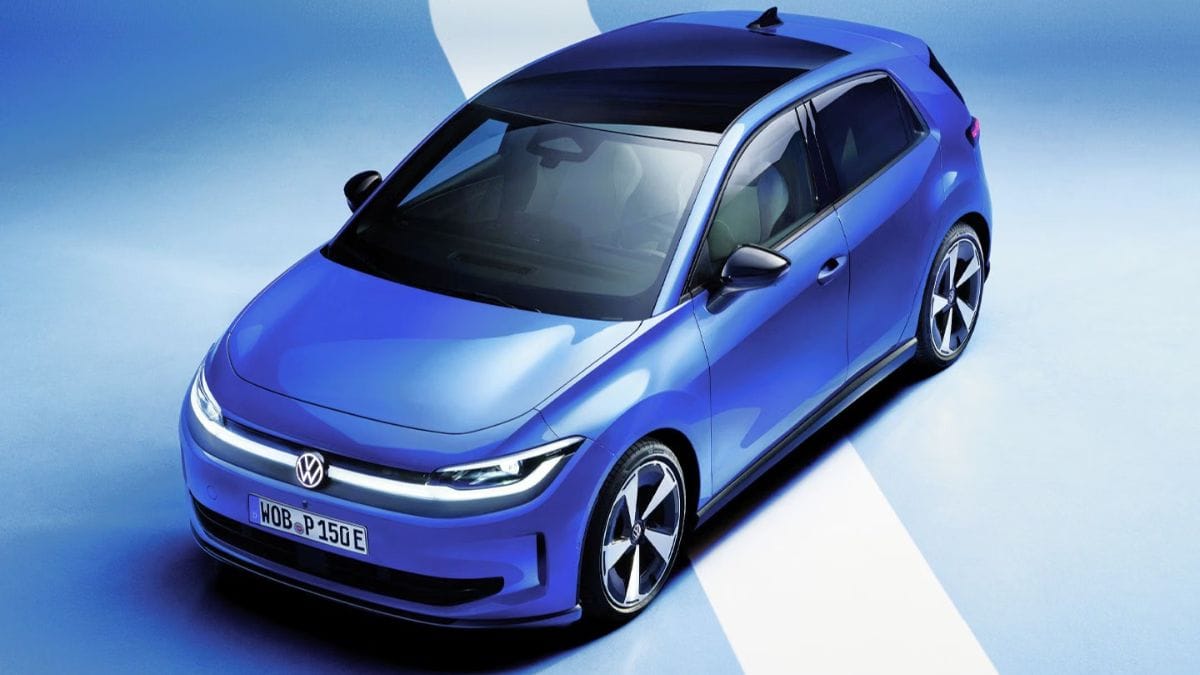
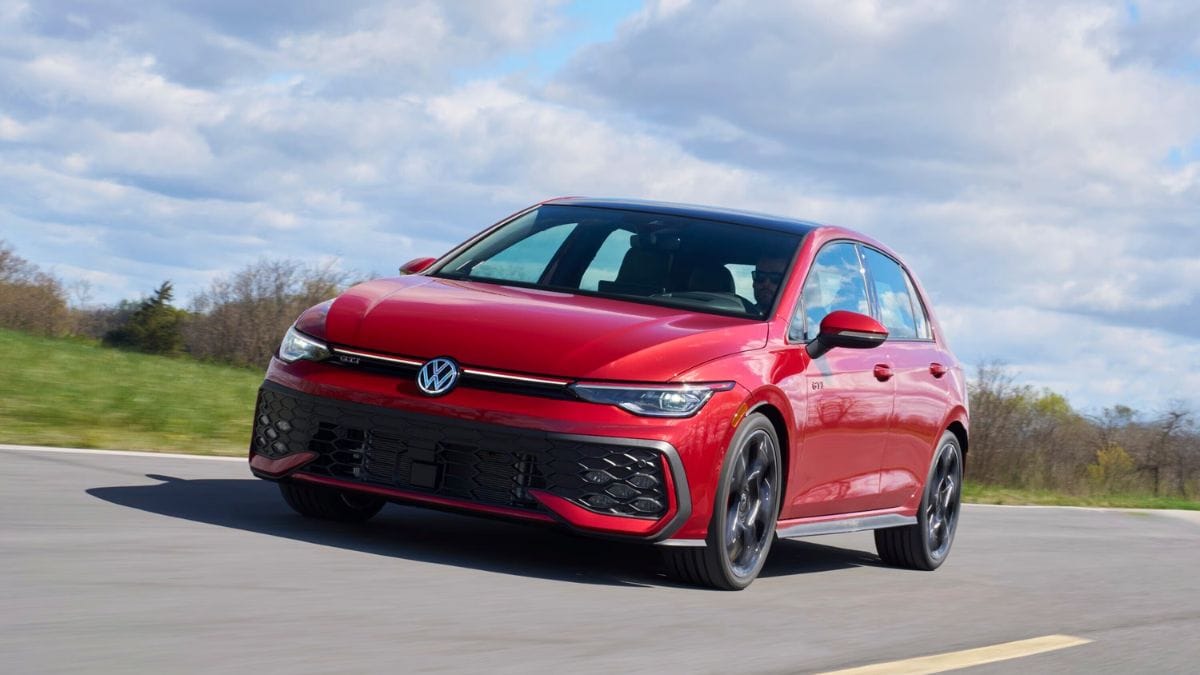
In this context, Volkswagen’s new full hybrid technology, recently showcased in models such as the Golf and T-Roc, presents a balanced alternative. It does not rely entirely on electrification, yet it moves beyond conventional internal combustion systems, offering a solution that aligns with current Indian conditions.
Concept
Volkswagen’s full hybrid system is designed to function without external charging. Unlike plug-in hybrids, which depend on charging points, this system uses a combination of a turbo-petrol engine, two electric motors, and a battery that recharges through energy recuperation.
The system captures energy during braking and deceleration and stores it in the battery. This stored energy is then used to support the engine or power the vehicle independently for short durations. The approach reduces dependency on fuel without introducing the logistical requirements associated with charging infrastructure.
Context
India’s electric vehicle ecosystem is expanding, but the pace varies significantly across urban and rural areas. While metropolitan cities have seen improvements in charging availability, many regions still lack adequate infrastructure.
Full hybrid systems address this gap by operating independently of charging networks. They provide partial electrification benefits without requiring behavioral or infrastructural adjustments from users. This makes them relevant in a market where conditions differ widely between cities, towns, and highways.
Function
The system operates by distributing power between the petrol engine and electric motors based on driving conditions. At lower speeds or during light acceleration, the electric motor can power the vehicle independently. This is particularly useful in urban traffic, where frequent stops and slow movement are common.
During higher-speed driving or when additional power is required, the petrol engine engages. The transition between electric and engine power is managed automatically to maintain efficiency and performance.
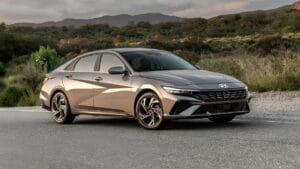
A simplified overview is provided below:
| Driving Condition | Power Source Used | Outcome |
|---|---|---|
| Traffic movement | Electric motor | Reduced fuel use |
| Urban cruising | Hybrid mode | Improved efficiency |
| Highway driving | Petrol engine | Stable performance |
| Braking phase | Regeneration | Energy recovery |
Efficiency
Fuel efficiency remains a key consideration for Indian consumers. Hybrid systems contribute to improved mileage by reducing the reliance on the petrol engine, especially in low-speed conditions.
By enabling short periods of electric-only driving, the system lowers fuel consumption and emissions. Over time, this can result in reduced operating costs. While the extent of savings depends on driving patterns, city users are likely to see more noticeable benefits.
Balance
Volkswagen’s full hybrid technology is positioned between mild hybrids and plug-in hybrids. Mild hybrids provide limited assistance and cannot operate solely on electric power. Plug-in hybrids, on the other hand, offer extended electric driving but require charging infrastructure and involve higher costs.
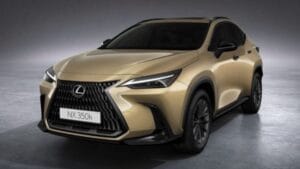
Full hybrids offer a middle path. They allow limited electric-only operation without the need for external charging. This positioning makes them suitable for buyers seeking efficiency gains without added complexity.
Cost
Cost considerations are central to vehicle adoption in India. Full hybrid systems are expected to be priced higher than conventional petrol vehicles due to additional components such as batteries and electric motors. However, they are typically more affordable than plug-in hybrids and fully electric vehicles.
Lower fuel consumption can offset some of the initial cost over time. The overall value proposition depends on usage patterns, fuel prices, and ownership duration.
Potential
Volkswagen has not announced specific plans to introduce this technology in India. However, its applicability to local conditions is evident. As consumers gradually shift toward cleaner mobility, technologies that do not require major infrastructure changes may find wider acceptance.
Full hybrids could serve as an intermediate solution for buyers who are not ready to transition fully to electric vehicles but still seek improved efficiency and lower emissions.
Future
India’s mobility transition is expected to involve multiple technologies rather than a single solution. Electric vehicles will likely expand their presence, supported by infrastructure development. At the same time, hybrid systems may play a complementary role during this transition phase.
Technologies such as Volkswagen’s full hybrid system can contribute by offering incremental improvements in efficiency and emissions without requiring significant changes in user behavior. This approach aligns with the current stage of India’s automotive market, where practicality and adaptability remain important factors.
The development and potential introduction of such systems indicate a gradual, multi-step approach to electrification. For many users, this could provide a more accessible entry point into cleaner mobility.
FAQs
What is a full hybrid car?
It uses engine and motor without external charging.
Does it need charging stations?
No, it charges through braking and engine power.
Is it suitable for Indian roads?
Yes, especially in city traffic conditions.
Is it more efficient than petrol cars?
Yes, it reduces fuel use and improves mileage.
Will Volkswagen launch it in India?
No official confirmation has been given yet.