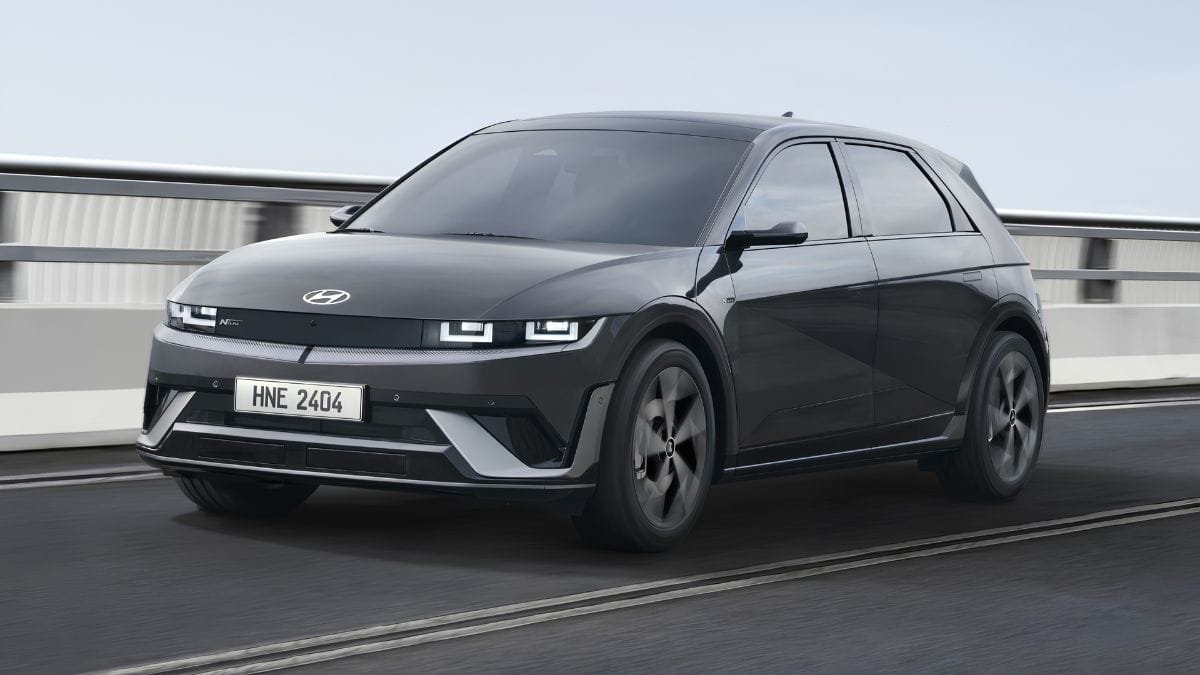
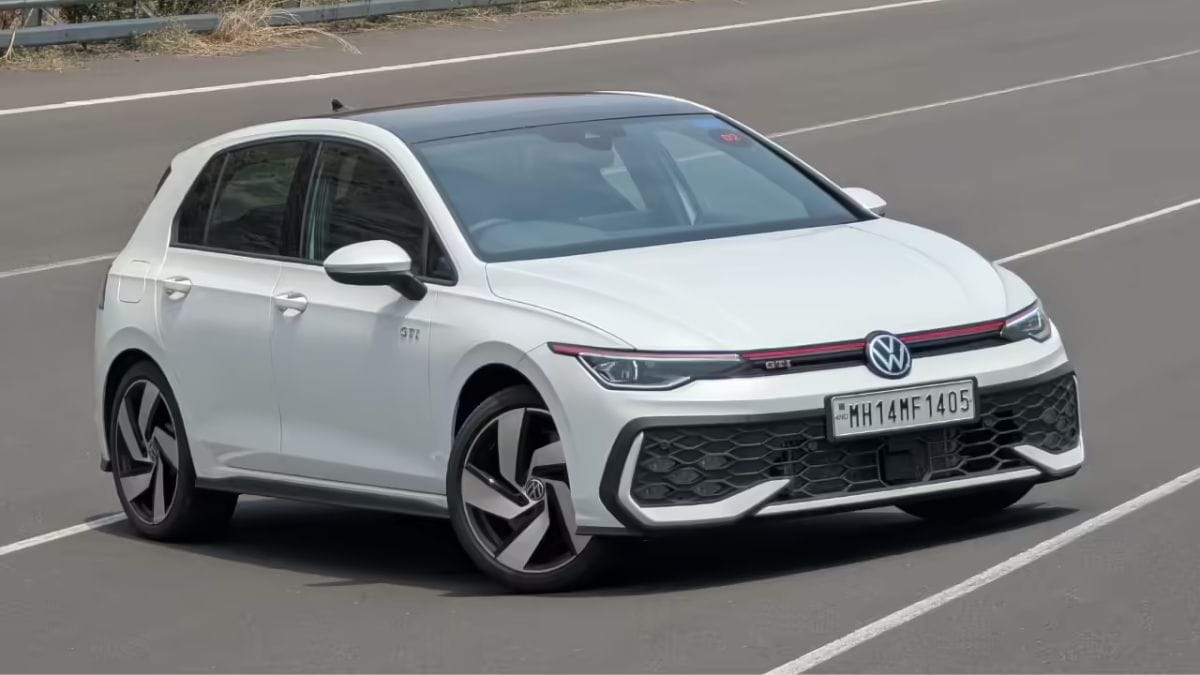
Volkswagen is doubling down on its regional focus with its ‘In China, for China’ strategy, aiming to design, develop, and deliver vehicles specifically tailored to the needs of the Chinese market. This includes the creation of the China Electronic Architecture (CEA), engineered entirely within China using local R&D resources and tech partnerships.
The move represents a paradigm shift in how global carmakers view market-specific demands. Rather than modifying global platforms, the trend is clearly moving toward building localised solutions from the ground up. The question now is – can such a model work in India?
Concept
Volkswagen’s strategy is a response to China’s fast-moving auto landscape, particularly in software, connected services, and autonomous tech. By building electronic platforms locally, VW ensures that its offerings are better aligned with local consumer demands and tech ecosystems.
This is a shift from the traditional top-down approach, where global platforms are modified for local conditions. Instead, the focus is now on developing region-first platforms, an approach that could redefine competitiveness in major auto markets.
India
India is a price-sensitive, volume-driven market, making it quite different from China. However, it is also evolving. Today’s Indian customers are gradually embracing features like:
- Connected car tech (remote lock, app-based controls)
- ADAS (Advanced Driver Assistance Systems)
- Infotainment and UI personalisation
While expectations are growing, affordability remains critical. Most vehicles sold in India are priced under ₹15 lakh, making it challenging to justify high local R&D spends for region-specific platforms – at least in the short term.
Challenges
Bringing an ‘In India, for India’ strategy to life would involve multiple hurdles:
| Challenges | Details |
|---|---|
| Cost Sensitivity | Tight margins make platform-level R&D risky |
| Volume Requirements | Need consistent sales volumes to justify cost |
| Supply Chain Maturity | Electronics and software ecosystem still maturing |
| Skilled Workforce | India’s auto R&D is growing but needs scale |
Moreover, electronic architecture development is capital-intensive, and success depends on long-term ecosystem support, including suppliers, talent, and policy backing.

Trends
Despite the challenges, software-defined vehicles (SDVs) are becoming more relevant, even in emerging markets. Global OEMs are already:
- Building local software teams in India
- Investing in AI, UI, and connected tech hubs in cities like Bengaluru and Pune
- Exploring feature localisation in infotainment, language support, and navigation systems
Selective localisation may be the intermediate step before full-scale regional architecture development.
Possibilities
Could Volkswagen replicate its China strategy in India? Not entirely – for now. But elements of the strategy are certainly transferable, such as:
- Dedicated local R&D hubs for software and connectivity
- Collaboration with Indian tech startups
- Modular architecture adaptation with Indian-specific features
- Incremental platform localisation, rather than ground-up development
In time, as India’s EV market, digital infrastructure, and tech ecosystem mature, larger investments in local architecture might become viable.
Outlook
Volkswagen’s ‘In China, for China’ approach signals a broader regionalisation trend in the global auto industry. India, with its unique challenges and opportunities, may not follow the exact same path, but localised product development – especially in software and user experience – is already underway.
The near future will likely see a hybrid approach: adapting global platforms for cost-efficiency while injecting local innovation in features and digital capabilities. With policy push, tech talent, and market maturity, India could eventually see deeper platform localisation – if not full architecture development like China, then at least a substantial part of the value chain moving onshore.
FAQs
What is Volkswagen’s ‘In China, for China’ strategy?
It’s a regional approach focusing on local development of vehicles and platforms.
Is a similar strategy possible in India?
Partially – local software and tech customisation are possible, but full localisation may take time.
What’s the biggest challenge in India?
High price sensitivity and low average vehicle price.
Is India ready for local vehicle electronic architectures?
Not yet at scale, but selective localisation is growing.
Are carmakers investing in Indian R&D?
Yes, many global OEMs are expanding software teams in India.