The global smartphone market kicked off 2026 on a cautious note. According to Counterpoint Research, shipments dropped by 6 percent year-on-year in Q1 2026. But here’s the twist – despite the overall slowdown, Apple managed to grab the top position globally.
So, what’s driving this contrast between falling demand and Apple’s rise? Let’s unpack the story.
Think of the smartphone market like a busy highway suddenly hitting traffic. Fewer cars are moving, but one brand still manages to speed ahead. That’s exactly what happened in Q1 2026. While the industry struggled with component shortages and weaker consumer demand, Apple surged ahead with strong iPhone 17 sales.
Let’s cut into the details.
Market
The global smartphone market faced a noticeable slowdown in the first quarter of 2026.
| Metric | Q1 2026 |
|---|---|
| YoY Shipment Change | -6% |
| Key Issue | Memory Shortage |
| Demand Trend | Weak |
The primary reasons behind this dip include shortages of DRAM and NAND memory components. On top of that, consumers held back on spending, especially in uncertain global conditions.
Brands also responded by delaying product launches and adjusting pricing strategies, which further impacted shipment volumes.
Apple
Apple emerged as the clear leader during this challenging period.
| Brand | Market Share | YoY Growth |
|---|---|---|
| Apple | 21% | +5% |
This marks the first time Apple has led global shipments in the first quarter. The success was largely driven by the iPhone 17 series, along with attractive trade-in offers and strong demand in Asia-Pacific regions like India.
It’s a classic case of premium demand holding steady even when the broader market slows down.
Samsung
Samsung secured the second spot but faced some hurdles.
| Brand | Market Share | YoY Change |
|---|---|---|
| Samsung | 20% | -6% |
The decline was mainly due to weaker demand in the mass-market segment and the delayed launch of the Galaxy S26 series. However, early response to the Galaxy S26 Ultra has been promising, suggesting a potential rebound in upcoming quarters.
Xiaomi
Xiaomi held onto third place but wasn’t immune to challenges.
| Brand | Market Share | Key Insight |
|---|---|---|
| Xiaomi | 12% | Entry-level focus impacted growth |
The brand’s heavy focus on budget smartphones made it more vulnerable during the slowdown. That said, its premium Xiaomi 17 series is performing well, especially in China.
Oppo
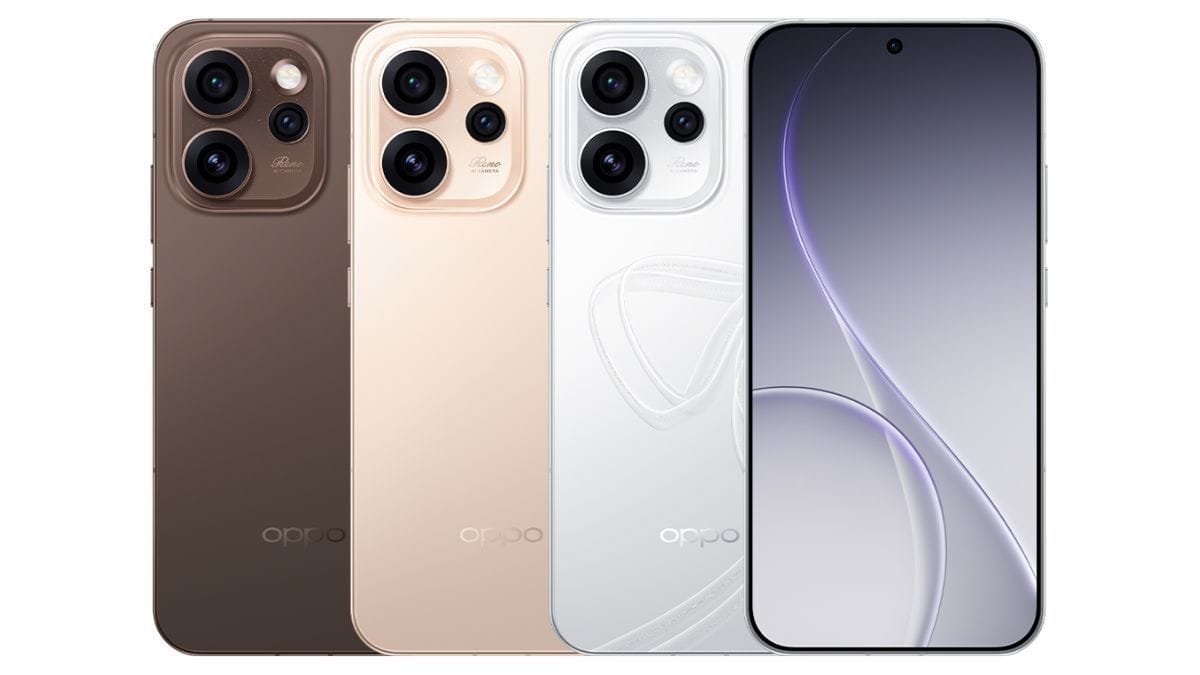
Oppo maintained its fourth position with steady performance.
| Brand | Market Share | Highlight |
|---|---|---|
| Oppo | 11% | Strong entry-level sales |
The Oppo A5 series drove volumes in the budget segment, while premium devices like the Find N5 received positive feedback.
Vivo
Vivo rounded out the top five brands.
| Brand | Market Share | Insight |
|---|---|---|
| Vivo | 8% | Growth in India |
Despite a slight global dip, Vivo saw growth in key markets like India, helping it maintain its position.
Trends
Interestingly, some smaller brands showed strong growth.
- Google recorded a 14 percent YoY increase
- Nothing saw an impressive 25 percent YoY growth
This indicates that niche and emerging players are still finding opportunities, even in a shrinking market.
Outlook
Looking ahead, the smartphone market may continue to face pressure.
The ongoing memory shortage is expected to last until late 2027. This means brands will need to rethink their strategies. Instead of relying solely on hardware upgrades, companies are likely to focus more on software, ecosystem expansion, and services to drive growth.
It’s like shifting from selling just a product to offering a complete experience.
The global smartphone market may be slowing down, but it’s far from stagnant. Apple’s rise shows that strong brand value and premium offerings can still thrive even in tough conditions. Meanwhile, other brands are adjusting strategies to navigate supply challenges and changing consumer behavior. The coming quarters will be crucial in determining whether the market rebounds or continues to tread cautiously.
FAQs
Why did smartphone shipments fall in Q1 2026?
Due to memory shortages and weak demand.
Which brand led smartphone market in Q1 2026?
Apple led with 21% market share.
What is Samsung’s market share in Q1 2026?
Samsung held 20% market share.
Which brands ranked in top five?
Apple, Samsung, Xiaomi, Oppo, Vivo.
How long will memory shortage last?
Expected until late 2027.