India’s car market has always balanced practicality with perception. Buyers do not just evaluate specifications or pricing – they also consider how a vehicle fits into their lifestyle and social image. Over the years, this balance has shifted significantly, especially in the mid-range segment.
While SUVs have gained strong momentum, budget sedans have gradually lost ground. The question now is whether electric vehicles can help sedans regain relevance.
Market
The Indian automotive landscape is shaped by value sensitivity and evolving aspirations. A car is often seen as more than just a mode of transport – it reflects status, utility, and long-term reliability.
For instance, premium SUVs like the Toyota Fortuner have built a strong aspirational value despite their high price. However, in the budget and mid-range segments, the dynamics are different. Buyers tend to look for maximum utility at competitive pricing, which has influenced the shift away from sedans.
Roads
One of the most practical challenges for sedans in India has been road conditions. Many roads include potholes, uneven patches, waterlogging, and steep speed breakers. These factors make low ground clearance vehicles less convenient for daily use.
This has particularly impacted sedans priced between Rs. 10 lakh and Rs. 25 lakh. Buyers in this range often prioritize ease of use over driving dynamics. As a result, vehicles with higher ground clearance have become more appealing.
However, entry-level sedans such as the Maruti Dzire and Honda Amaze continue to perform well. Their affordability and efficiency offset some of the limitations associated with road conditions.
Shift
The transition from sedans to SUVs did not happen overnight. It began with the introduction of compact and mid-size SUVs that offered a blend of affordability and utility.
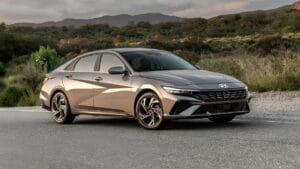
Models like the Renault Duster and Ford EcoSport played a key role in this shift. They introduced the idea that one could own an SUV-like vehicle without entering the premium price bracket.
At the same time, several sedans in this segment were widely used in fleet operations. This reduced their aspirational appeal among private buyers. Even though these sedans offered strong advantages such as comfort, fuel efficiency, and lower running costs, perception began to work against them.
Creta
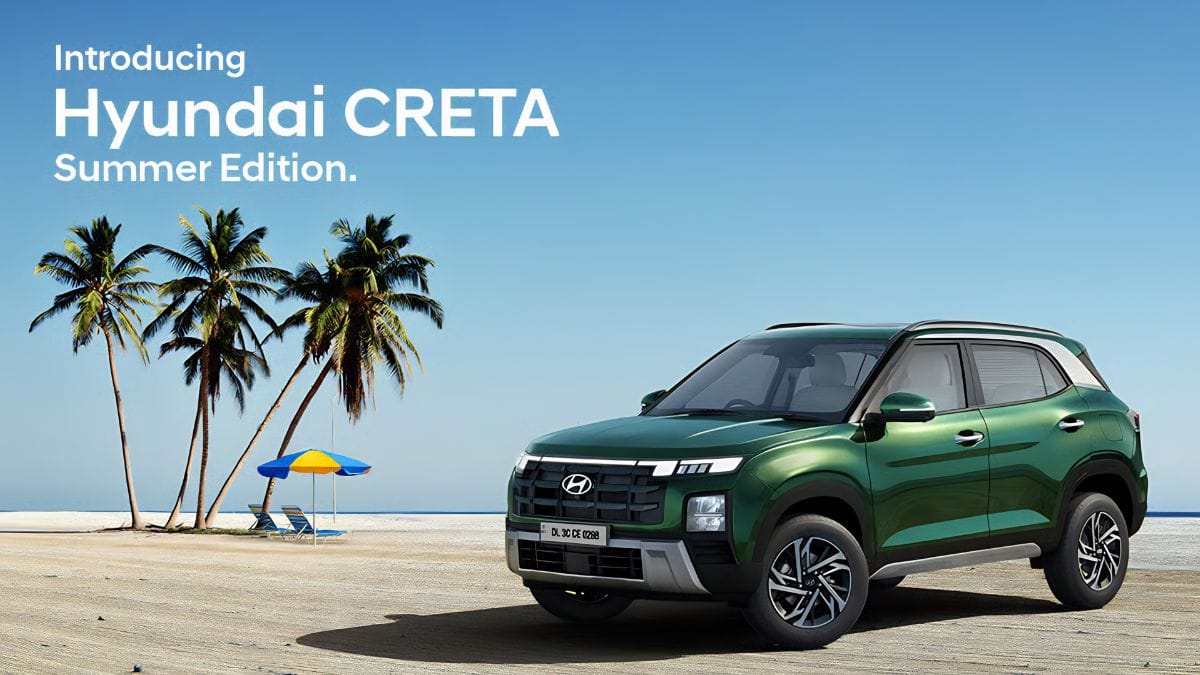
The Hyundai Creta marked a turning point in the segment. It managed to combine multiple strengths into a single package:
- Comfortable ride quality
- Premium interior features
- Efficient engine options
- Strong road presence
Importantly, it narrowed the price gap between sedans and SUVs. Buyers who were previously considering sedans now had a compelling alternative.
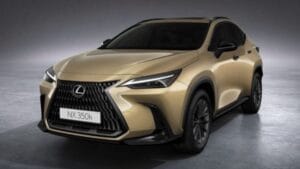
Following this, other manufacturers introduced competitive models such as the Kia Seltos, Maruti Brezza, and MG Hector. SUVs became available across a wide price range, further accelerating the shift.
Comparison
A comparison between sedans and SUVs highlights the changing priorities of buyers:
| Feature | Sedans | SUVs |
|---|---|---|
| Ground Clearance | Lower | Higher |
| Aerodynamics | Better | Moderate |
| Fuel Efficiency | Higher | Moderate |
| Road Presence | Moderate | Strong |
| Comfort | High | High |
While sedans excel in efficiency and driving dynamics, SUVs offer practical advantages that align more closely with current buyer preferences.
Dynamics
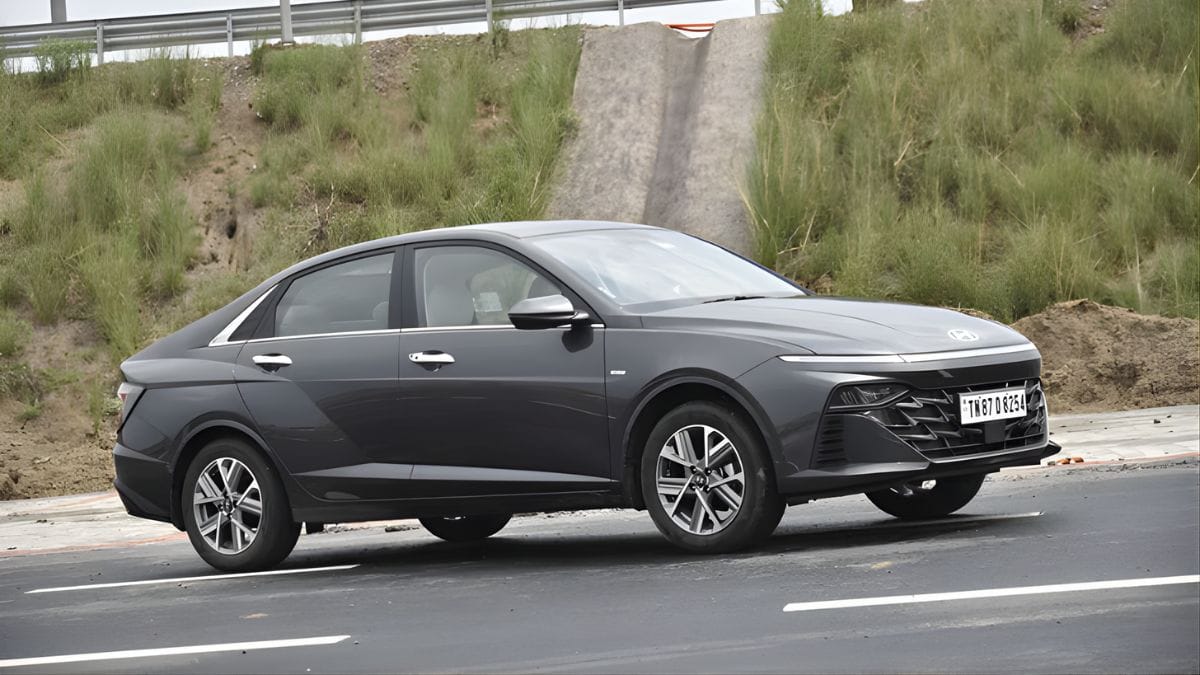
Despite declining popularity, sedans continue to offer strong engineering advantages. Their lower height results in a lower center of gravity, which improves stability and handling.
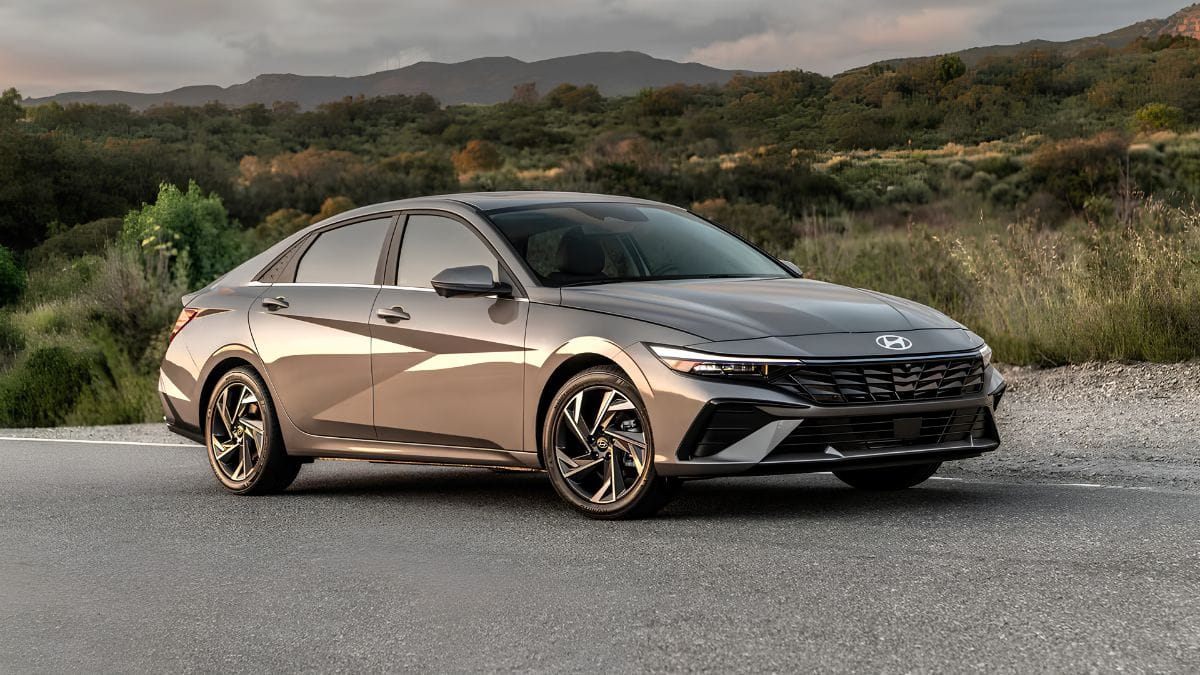
They also have better aerodynamic profiles, meaning reduced air resistance. This directly contributes to improved fuel efficiency. Models such as the Hyundai Verna, Skoda Slavia, and Volkswagen Virtus continue to attract buyers who prioritize driving experience.
EVs
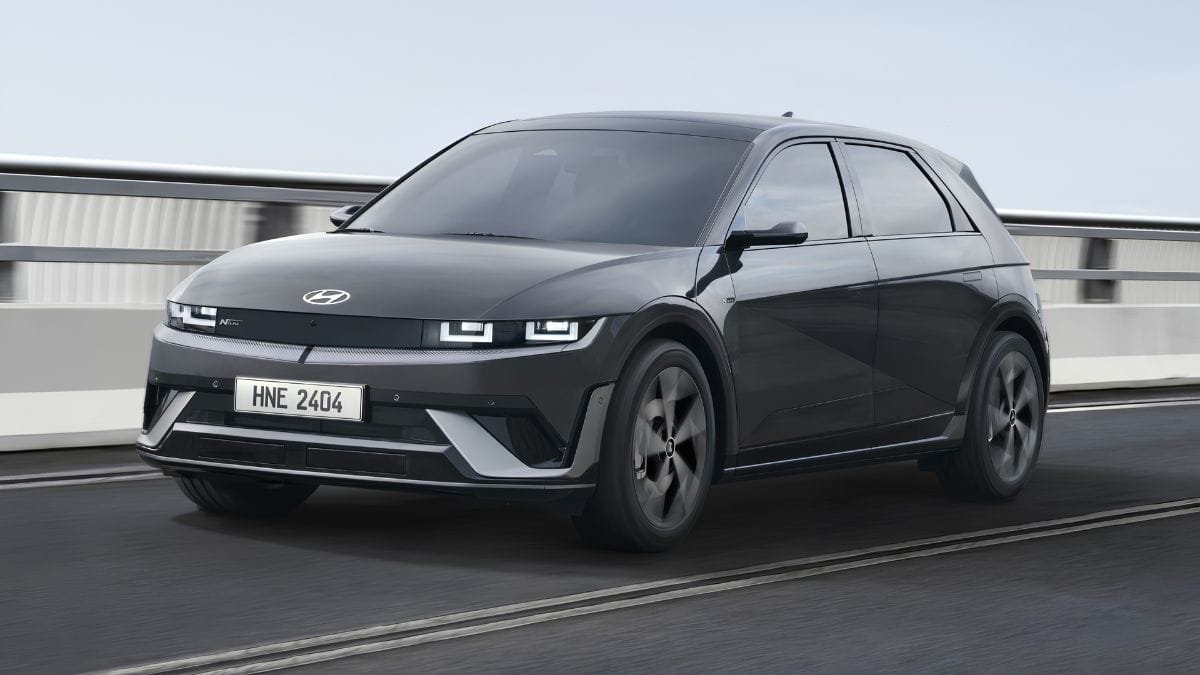
The shift toward electric mobility introduces a new dimension to this discussion. Unlike internal combustion engine vehicles, EVs are highly dependent on efficiency and range.
This is where sedans may regain an advantage. Due to their aerodynamic design, sedans require less energy to maintain speed compared to SUVs. This means:
- Better range with smaller battery packs
- Lower energy consumption
- Potential cost advantages
In contrast, SUVs face higher aerodynamic drag, which can reduce efficiency and require larger batteries to achieve similar range figures.
Potential
Electric sedans could address multiple concerns simultaneously. They combine efficiency with improved ride quality and evolving design improvements. Additionally, newer sedan designs are addressing traditional limitations such as ground clearance.
For buyers focused on maximizing value in an EV, sedans may present a practical alternative. They could appeal to a segment that prioritizes range, efficiency, and driving comfort over road presence.
However, it is important to note that SUVs are unlikely to lose their dominance entirely. Their versatility and perception-driven appeal remain strong.
Outlook
The future of budget sedans in India will likely depend on how effectively manufacturers adapt them to the electric era. If electric sedans can offer competitive pricing, adequate ground clearance, and strong real-world range, they may regain a portion of the market.
The transition will not be immediate, but evolving buyer priorities and advancements in EV technology could gradually reshape demand patterns.
FAQs
Why are sedans declining in India?
Due to SUV demand and road conditions.
Do sedans offer better efficiency?
Yes, due to better aerodynamics.
Can EVs help sedans return?
Yes, EVs favor efficient designs.
Are SUVs more practical in India?
Yes, due to higher ground clearance.
Which sedans are still popular?
Verna, Slavia, and Virtus.