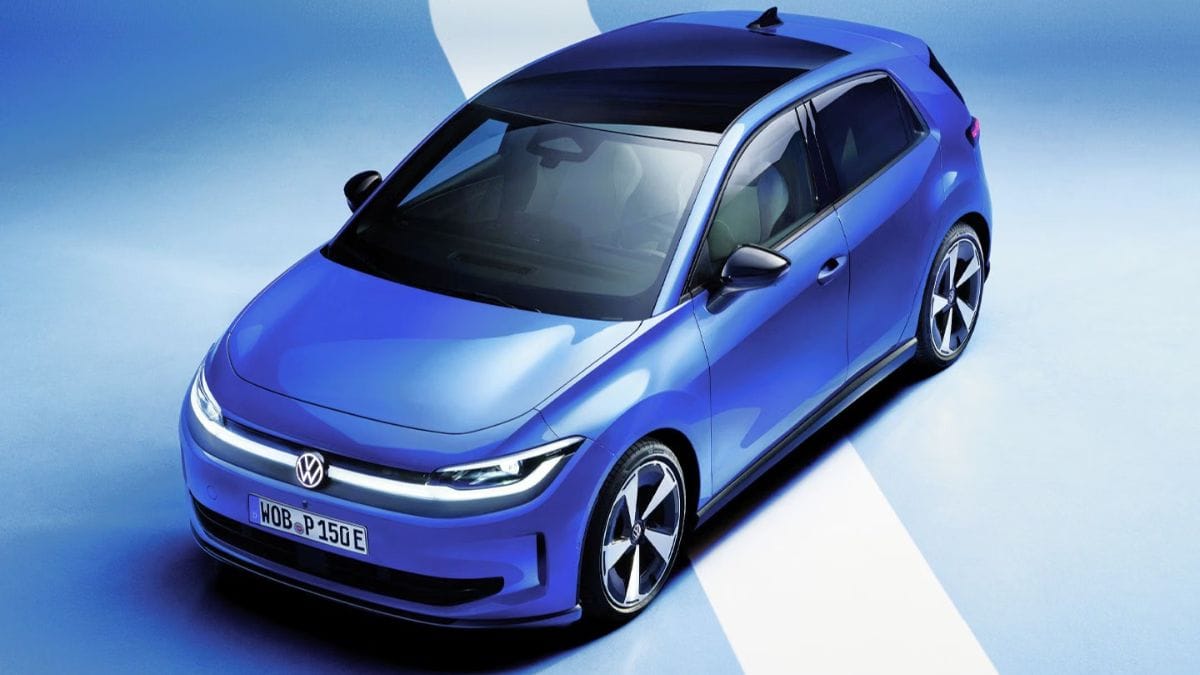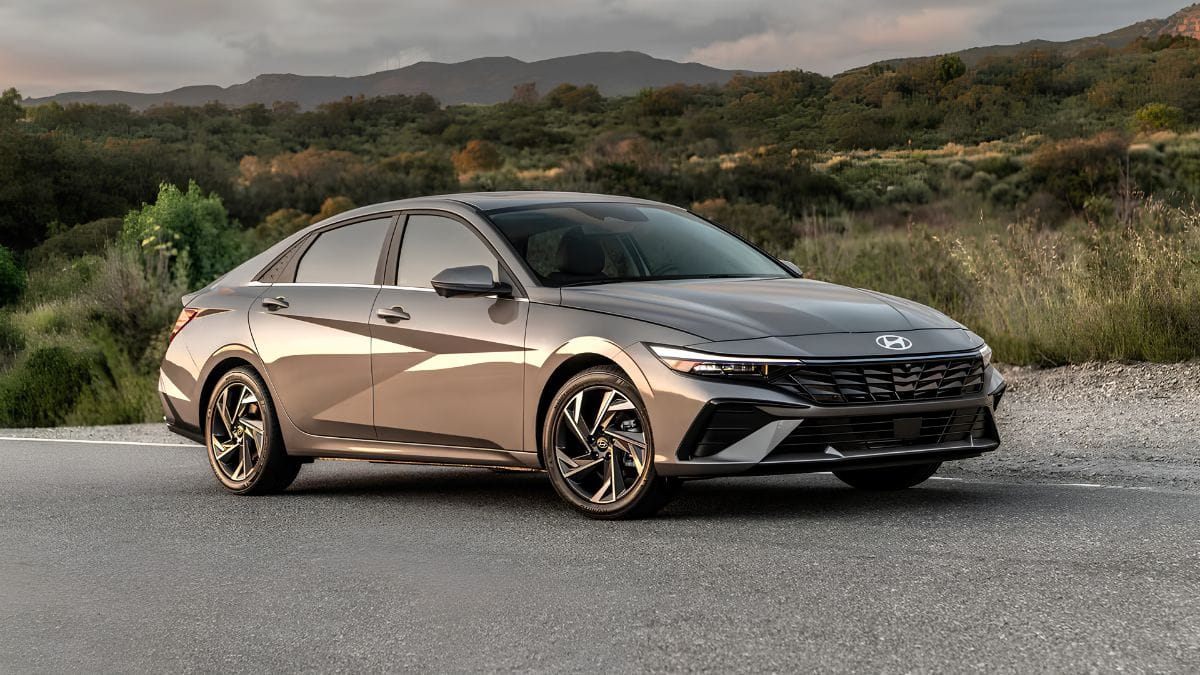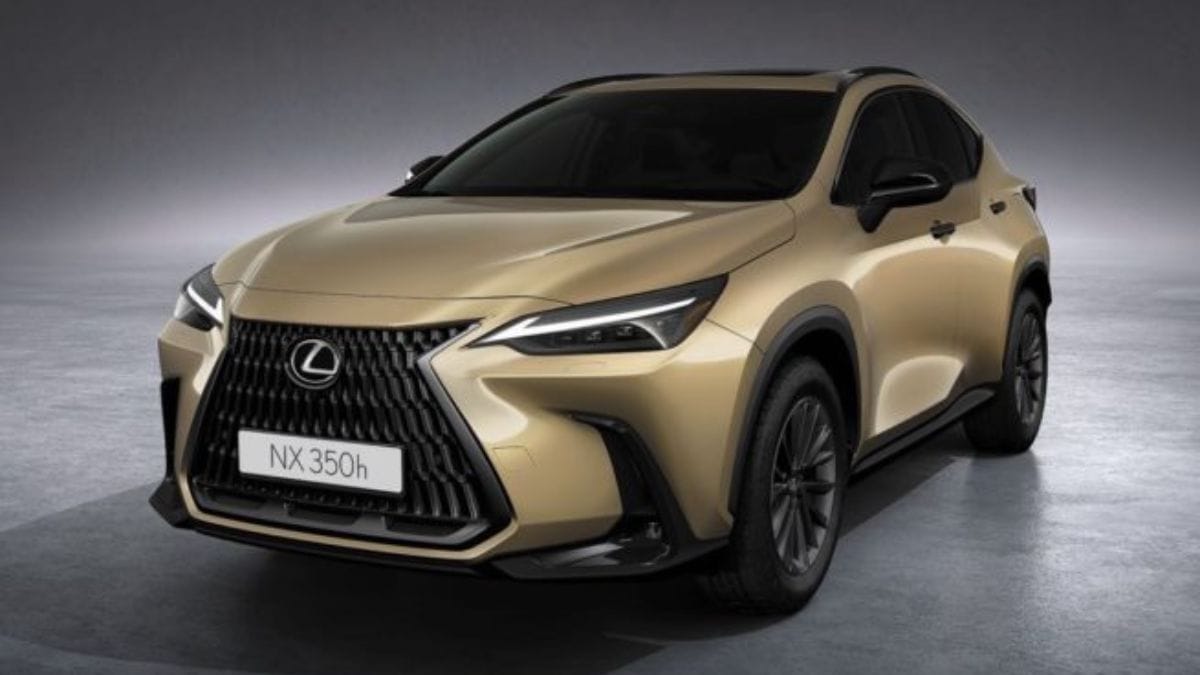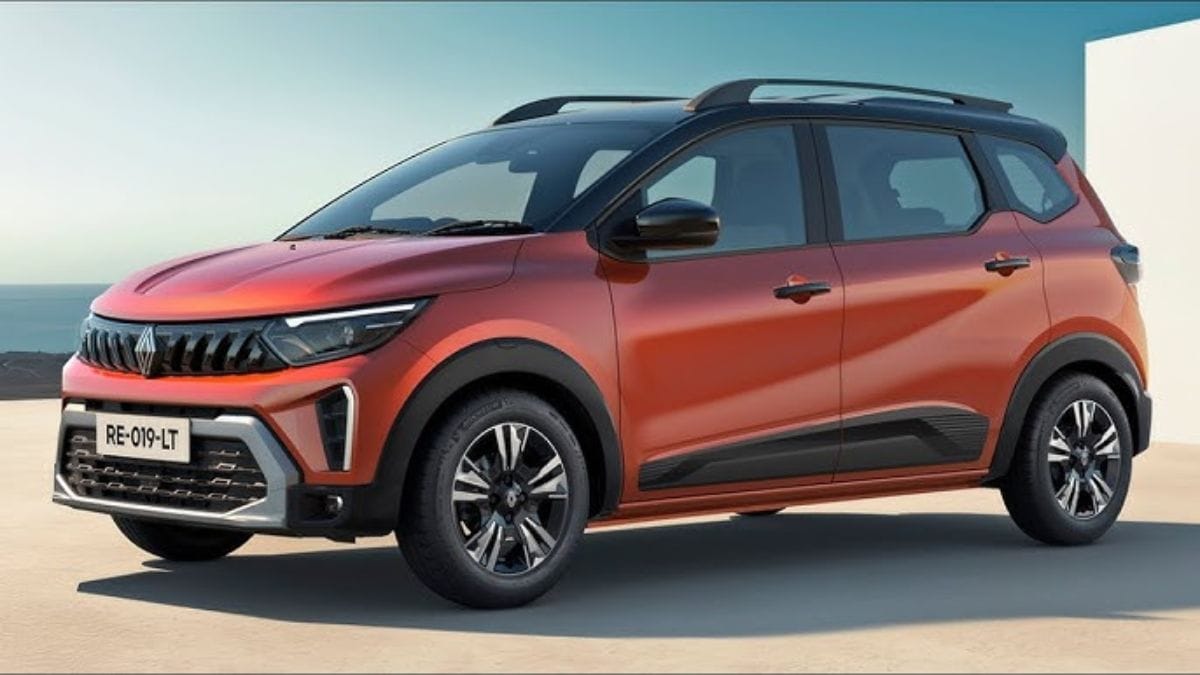

The long-pending India-European Union Free Trade Agreement (FTA) is back on the negotiation table, and one sector that could experience a significant shake-up is the automobile industry. If finalized, the FTA could make European luxury cars more accessible to Indian buyers by reducing steep import duties.
Let’s break down what the FTA means, how it could impact car prices, and what it means for Indian manufacturing and consumers alike.
Agreement
The India-EU FTA is a proposed bilateral trade agreement aimed at removing barriers and promoting trade between India and the European Union. It targets tariff reductions, improved market access, and smoother regulations across various sectors, including automobiles, agriculture, technology, and services.
For the auto sector, the focus is clear: lowering the heavy import taxes that currently make fully imported European vehicles expensive in India.
Duties
Currently, import duties on Completely Built Units (CBUs) of cars from the EU can go up to 100%. This makes European luxury cars nearly twice as expensive by the time they reach Indian showrooms.
The proposed FTA doesn’t promise an overnight slash in taxes. Instead, it suggests a phased reduction that could be tied to specific conditions such as:
- Minimum import volumes
- Price thresholds to avoid dumping
- Commitments to local assembly or manufacturing
- Focus on electric vehicles (EVs), which both regions consider high priority
Buyers
If implemented, Indian consumers could finally see a drop in prices of luxury and performance cars from brands like Mercedes-Benz, BMW, Audi, and Volvo. These vehicles are often imported as CBUs due to their low sales volumes and niche appeal.
The benefits are likely to be most visible in high-end EVs and petrol models that are currently out of reach for many buyers due to taxes.
| Brand | Models Likely to Benefit |
|---|---|
| Mercedes-Benz | E-Class, S-Class, EQS |
| BMW | 5 Series, 7 Series, iX, i7 |
| Audi | A6, A8, Q8 e-tron |
| Volvo | XC90, EX90 |
| Porsche/Skoda/VW | Taycan, Octavia RS, ID.4 |
However, mass-market models and vehicles already assembled locally may see minimal to no price change, as they already benefit from existing duty exemptions.
Industry
While buyers may welcome cheaper European imports, Indian manufacturers and policymakers are cautious. The fear is that reduced duties could discourage local investment and hurt domestic car production, especially when the government is promoting “Make in India” initiatives.
To mitigate this, negotiators are pushing for:
- Local sourcing commitments
- Gradual duty reductions instead of a sudden slash
- Incentives for tech transfers and joint ventures
The government is also balancing consumer interest with the need to protect employment and long-term growth in the automotive manufacturing sector.
Talks
The India-EU FTA talks began in 2007, but stalled in 2013 over issues like tariff cuts, data security, and sustainability clauses. Talks resumed in 2022, and while progress has been made, automobiles remain one of the most sensitive topics.
The EU is pushing for greater access to India’s auto market, especially for EVs and clean technology. India, meanwhile, is trying to protect local industry while still offering competitive choices to its growing middle and upper-middle class.
Outlook
The road to finalizing the India-EU FTA is complex, but if concluded successfully, it could transform the luxury car market in India. The key lies in how duties are reduced, what conditions are applied, and how manufacturers adapt.
For now, Indian buyers can remain cautiously optimistic. While luxury cars may not become immediately affordable, the proposed agreement could mark the beginning of a more accessible and diverse automobile market in the years ahead.
FAQs
What is the India-EU FTA?
It is a trade agreement to reduce tariffs and improve market access.
Will luxury car prices drop?
Yes, if duties are reduced under the FTA, prices may decrease.
Which brands will benefit?
Mercedes, BMW, Audi, Volvo and Volkswagen Group brands.
Are mass-market cars affected?
No, the impact is expected mainly on luxury and niche models.
Is the FTA finalized?
No, negotiations are ongoing and the deal is yet to be signed.