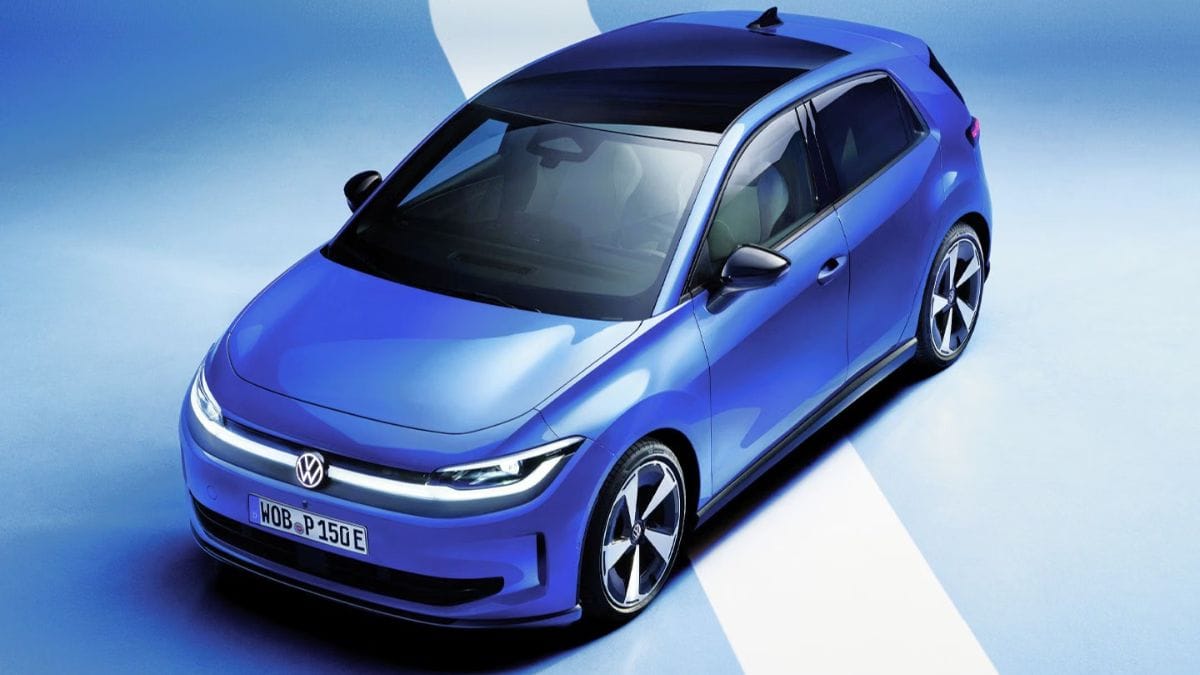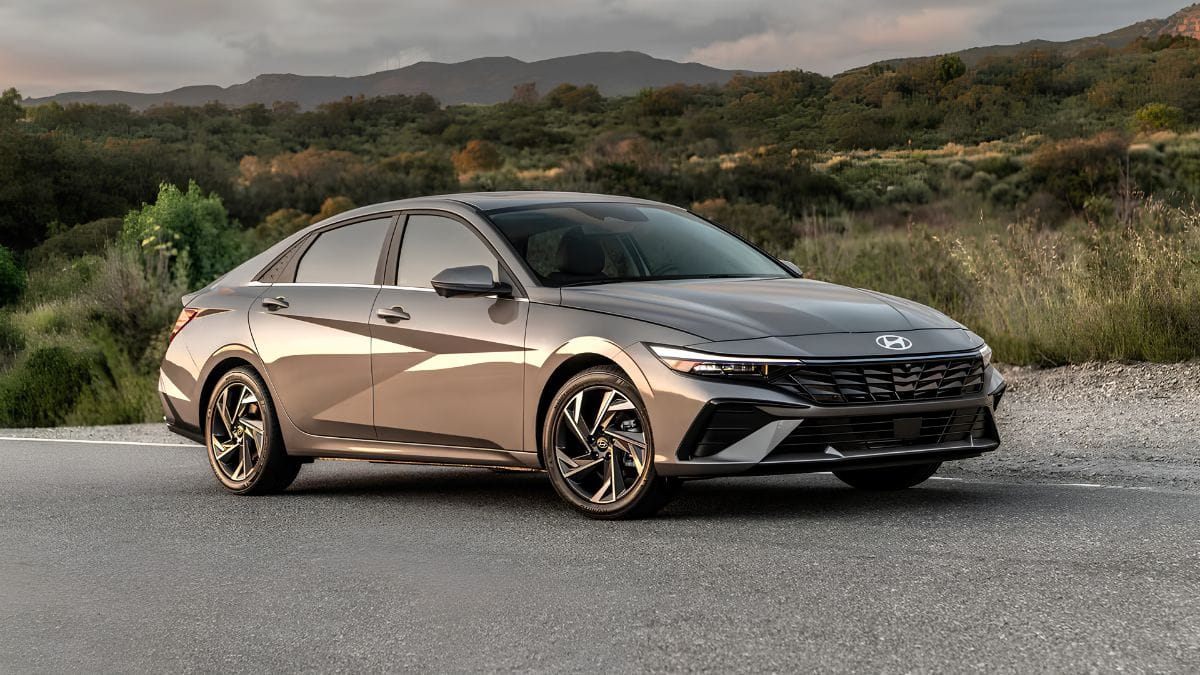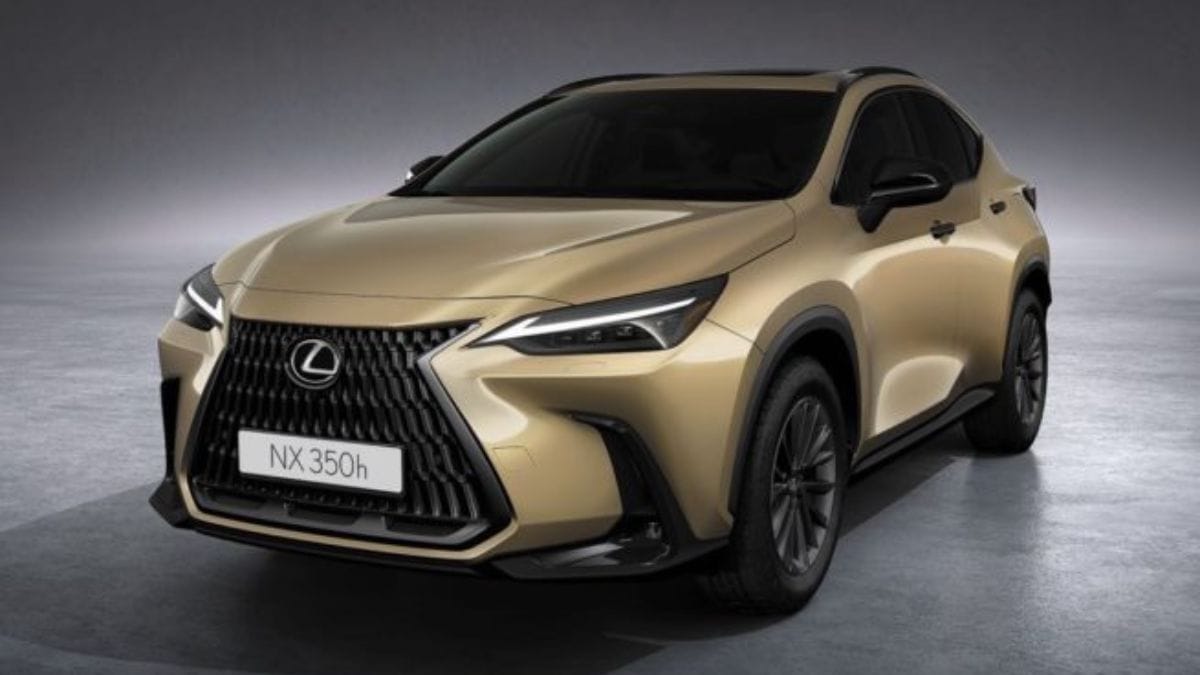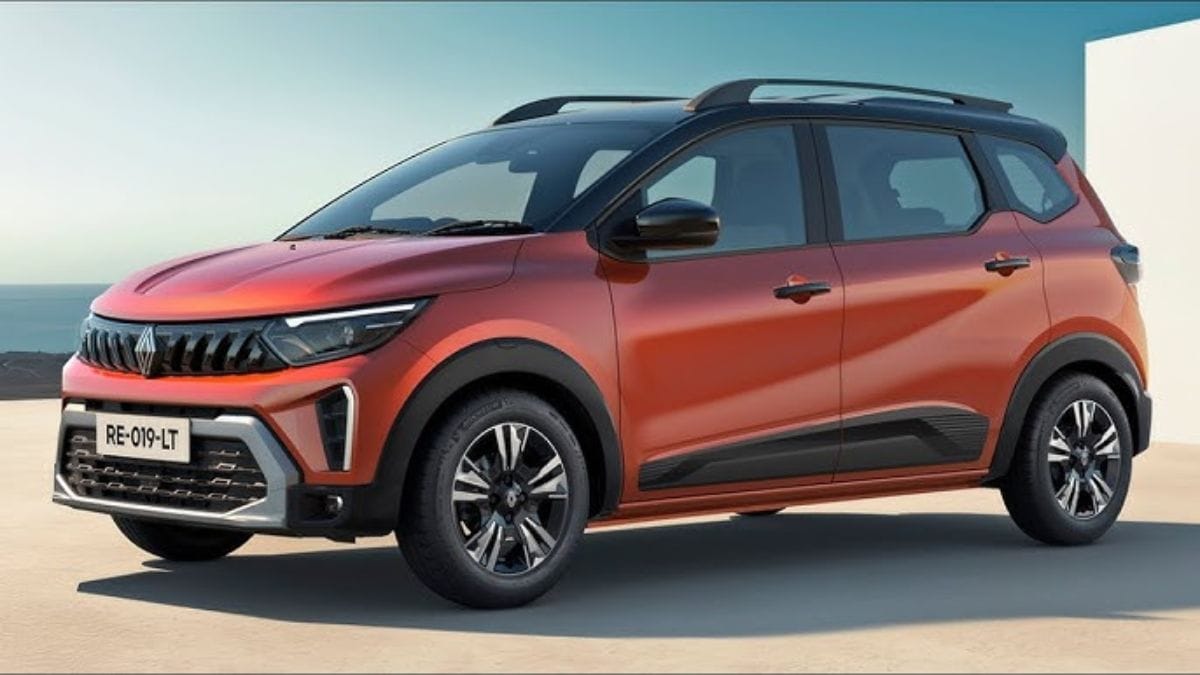
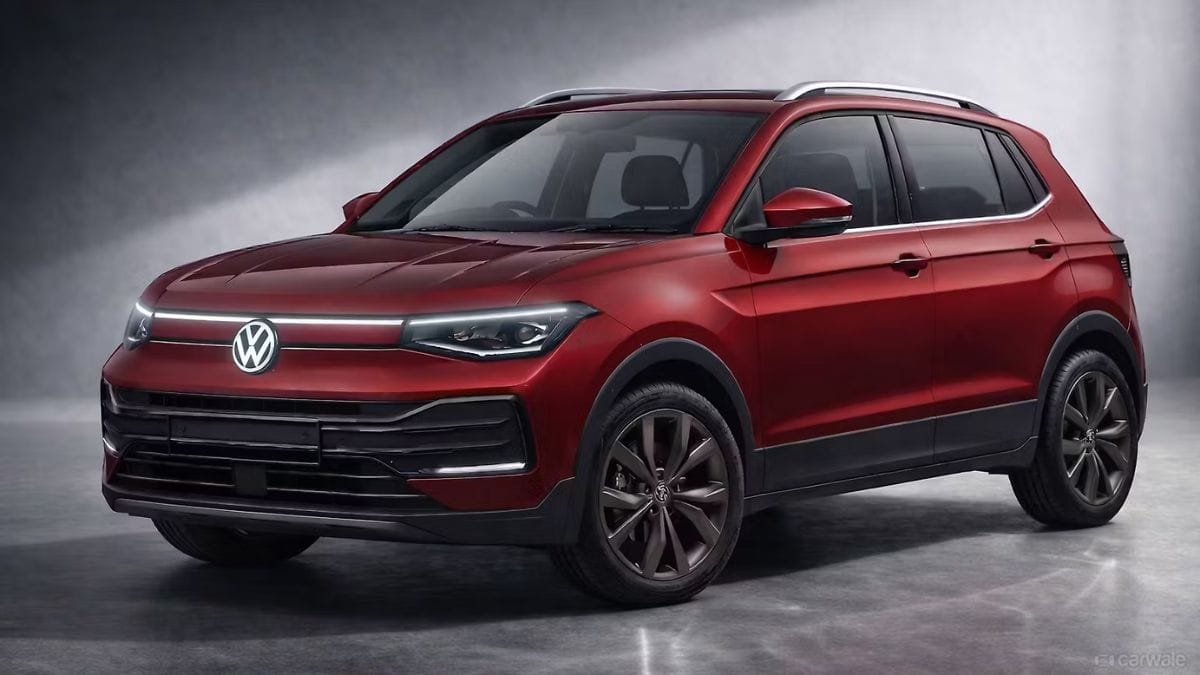
The updated Volkswagen Taigun is set to arrive shortly, and expectations are clearly defined. In a segment that has rapidly evolved, incremental updates may no longer be sufficient. The key question is whether this refresh will address the areas that matter most to buyers today, rather than relying solely on design tweaks and brand positioning.
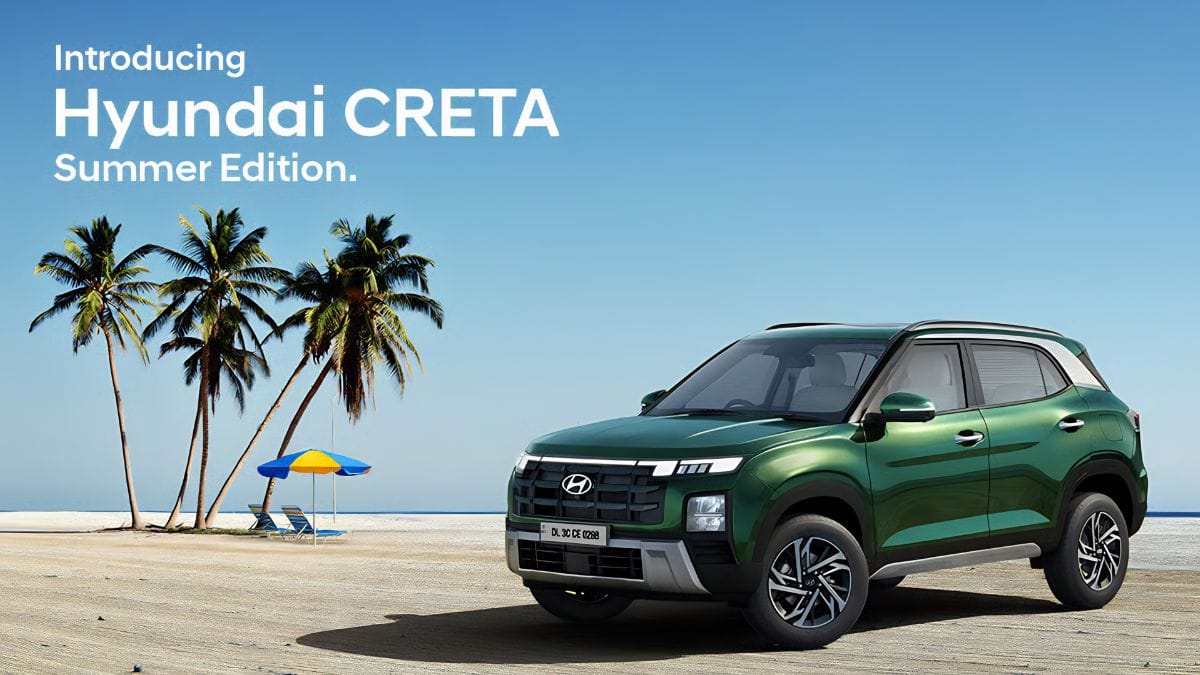
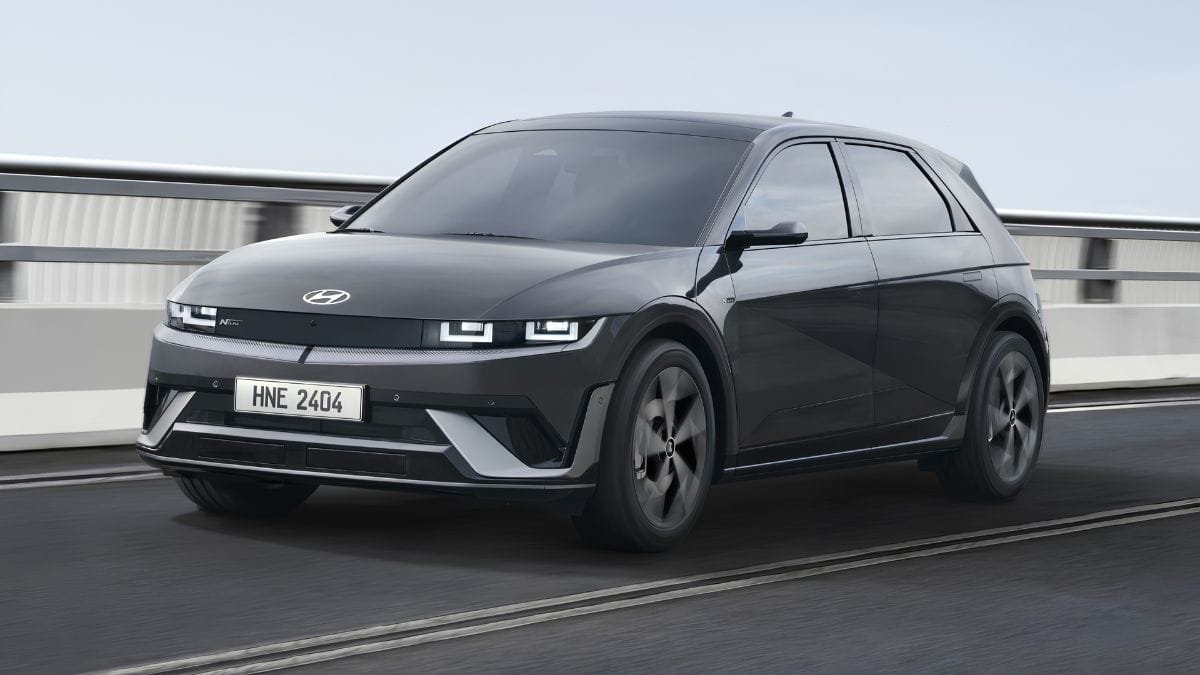
Volkswagen India has indicated improvements in styling and technology, but the competitive landscape has shifted significantly. Models like the Hyundai Creta and Kia Seltos have expanded their appeal by offering a broader mix of features, comfort, and technology, while the Skoda Kushaq update has already demonstrated a more market-aligned approach within the same group.
The mid-size SUV segment in India is no longer defined by a single strength. Buyers now expect a balance of performance, comfort, features, and visual appeal. The Taigun, while appreciated for its driving dynamics and build quality, has gradually lost ground due to a relatively limited feature set.
This update presents an opportunity for Volkswagen to realign the Taigun with current expectations.
Segment
The segment has become more competitive and feature-driven over time. The Hyundai Creta and Kia Seltos continue to set benchmarks in terms of equipment and overall package. Meanwhile, the Skoda Kushaq facelift has introduced meaningful upgrades that directly respond to customer preferences.
A quick comparison highlights how the segment has evolved:
| Model | Key Strength |
|---|---|
| Hyundai Creta | Feature-rich and balanced |
| Kia Seltos | Tech-focused and stylish |
| Skoda Kushaq | Improved comfort and features |
| VW Taigun (current) | Strong driving dynamics |
This comparison underscores the gap the Taigun needs to address.
Design
Volkswagen has suggested a bolder design for the updated Taigun. While visual changes are important, they alone are unlikely to influence buying decisions in this segment.

Buyers today look for strong road presence, modern lighting elements, and a design that feels current. Subtle revisions may not be enough if competitors continue to offer more striking and updated aesthetics.
Interior
Interior quality and experience have become critical decision factors. Larger infotainment systems, improved material quality, and enhanced rear-seat comfort are now expected rather than optional.
The Kushaq update introduced features such as a panoramic sunroof and rear-seat enhancements, setting a clear benchmark. For the Taigun, improvements in cabin space perception, seat comfort, and overall layout will be essential.
Features
Feature additions will likely play the most important role in determining the success of this update. The segment now prioritizes:
- Panoramic sunroof
- Larger digital instrument cluster
- Advanced infotainment systems
- Ventilated seats
- Connected car technology
Without these, even strong mechanical performance may not compensate for perceived shortcomings.
Powertrain
The Taigun’s existing strengths remain relevant. Its turbo-petrol engines are well-regarded for performance and efficiency.
| Engine | Output | Transmission |
|---|---|---|
| 1.0L TSI | Approx 115 bhp | Manual, Automatic |
| 1.5L TSI | Approx 150 bhp | Manual, DSG |
However, competitors are also refining their powertrain options, including smoother automatics and improved drivability. Any updates in transmission options or refinement could enhance competitiveness.
Comfort
Rear-seat comfort has become increasingly important, especially for family buyers. This includes legroom, seat cushioning, and additional features such as rear AC vents and adjustable headrests.
The Taigun has traditionally been more driver-focused. This update needs to ensure that passenger comfort is given equal importance.
Technology
Volkswagen’s claim of “best-in-segment technology” will need to be supported by tangible upgrades. Larger screens, faster interfaces, and improved connectivity features are now expected as standard.
In addition, advanced driver assistance systems are gradually becoming more common in this segment. Their inclusion could strengthen the Taigun’s positioning.
Strategy
The core challenge for Volkswagen is balancing its traditional strengths with evolving market demands. The Taigun’s solid build quality and driving characteristics remain advantages, but they are no longer sufficient on their own.
A meaningful update would involve:
- Significant feature additions
- Noticeable interior improvements
- Enhanced comfort for all occupants
- Competitive technology offerings
A minimal update may not change its standing in the segment.
Outlook
The upcoming Taigun update represents a critical moment for Volkswagen in India’s mid-size SUV segment. With competitors continuing to raise expectations, the margin for incremental improvements has narrowed.
If the update delivers substantial enhancements across design, features, and comfort, the Taigun can regain relevance among buyers. However, if the changes are limited, it may continue to appeal primarily to a niche audience that prioritizes driving dynamics over overall package.
FAQs
When will new VW Taigun launch?
It is expected to launch soon in 2026.
What rivals VW Taigun faces?
Creta, Seltos, and Kushaq.
What engines Taigun offers?
1.0L and 1.5L turbo petrol engines.
Will Taigun get new features?
Expected with more tech and comfort.
Is Taigun good for driving?
Yes, it is known for strong dynamics.