India’s entry-level electric vehicle segment appears to be entering a phase of transition. What initially took shape with urban-focused offerings such as the MG Comet EV and Tata Punch EV is gradually evolving into a more mature and aspirational category.
Over the next few years, a new set of sub-compact electric SUVs is expected to enter the market, potentially redefining expectations around affordability, usability, and features.
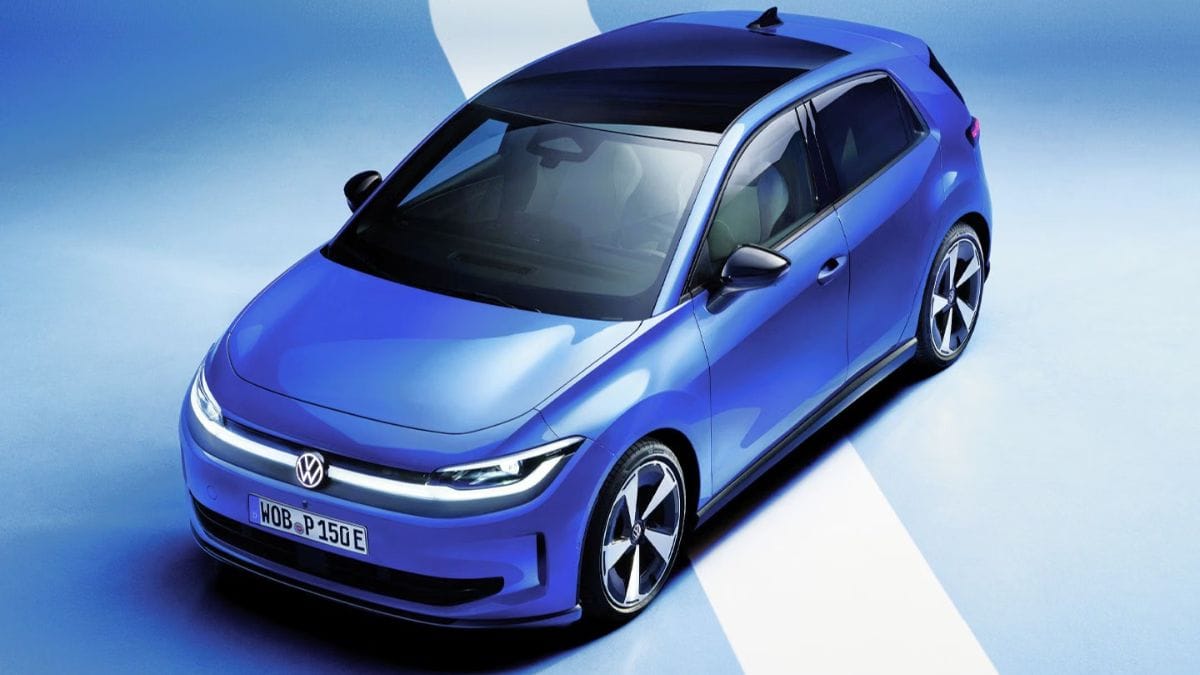
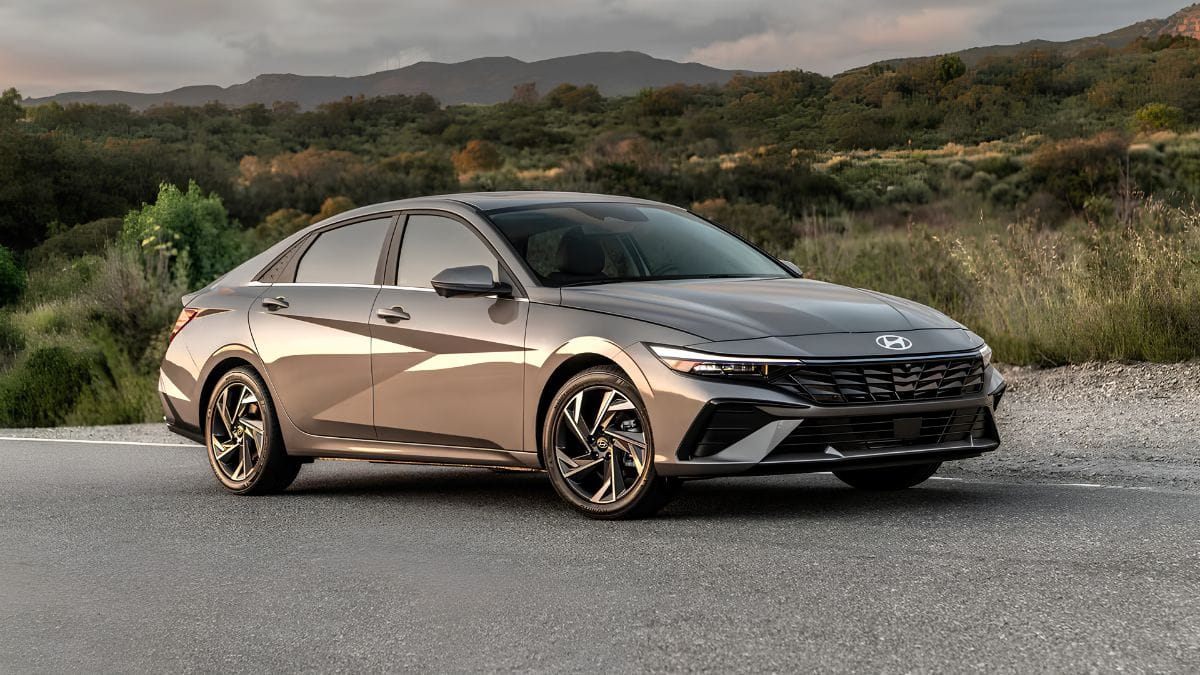
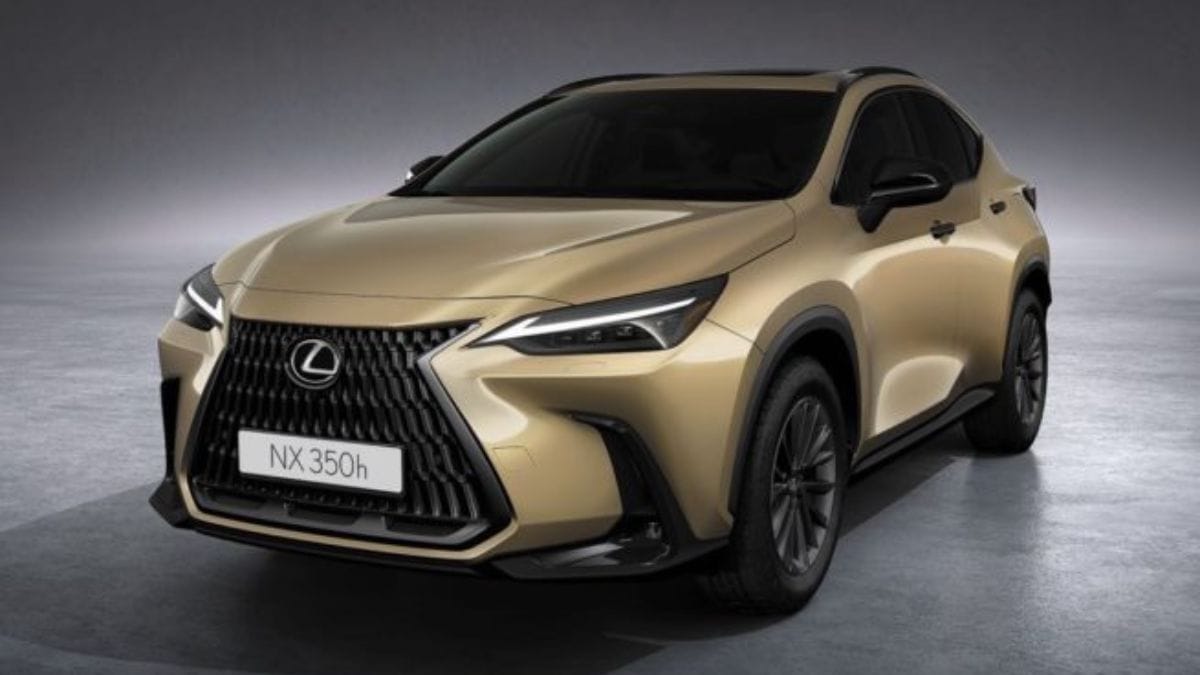
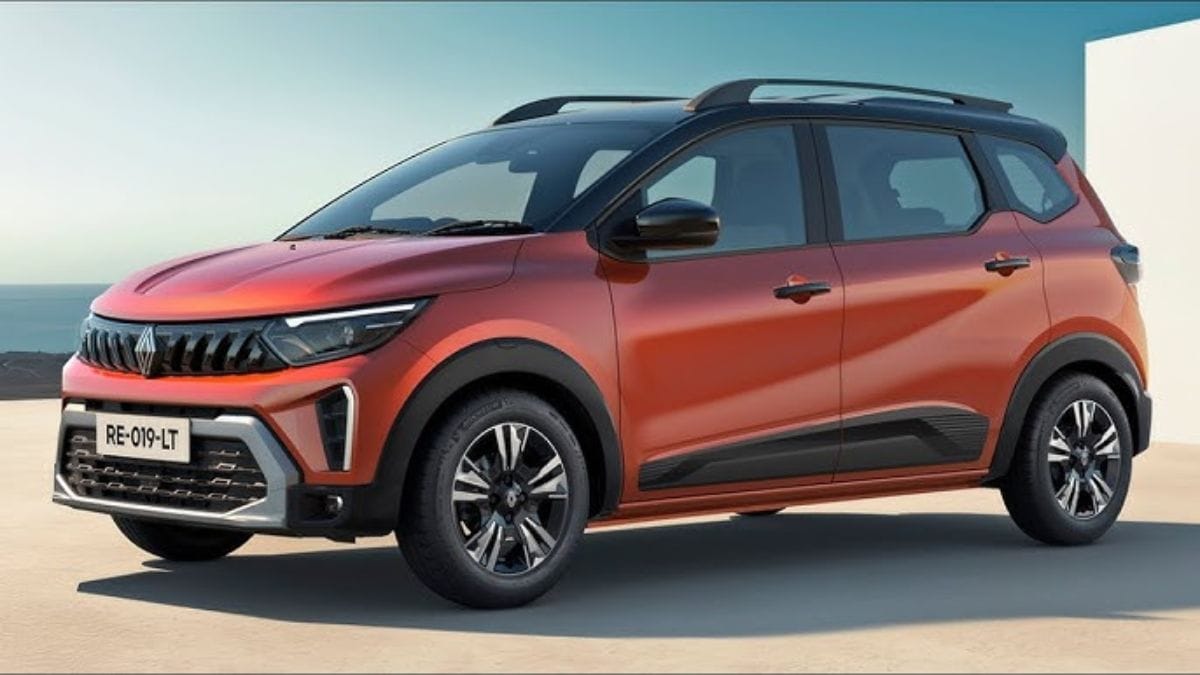
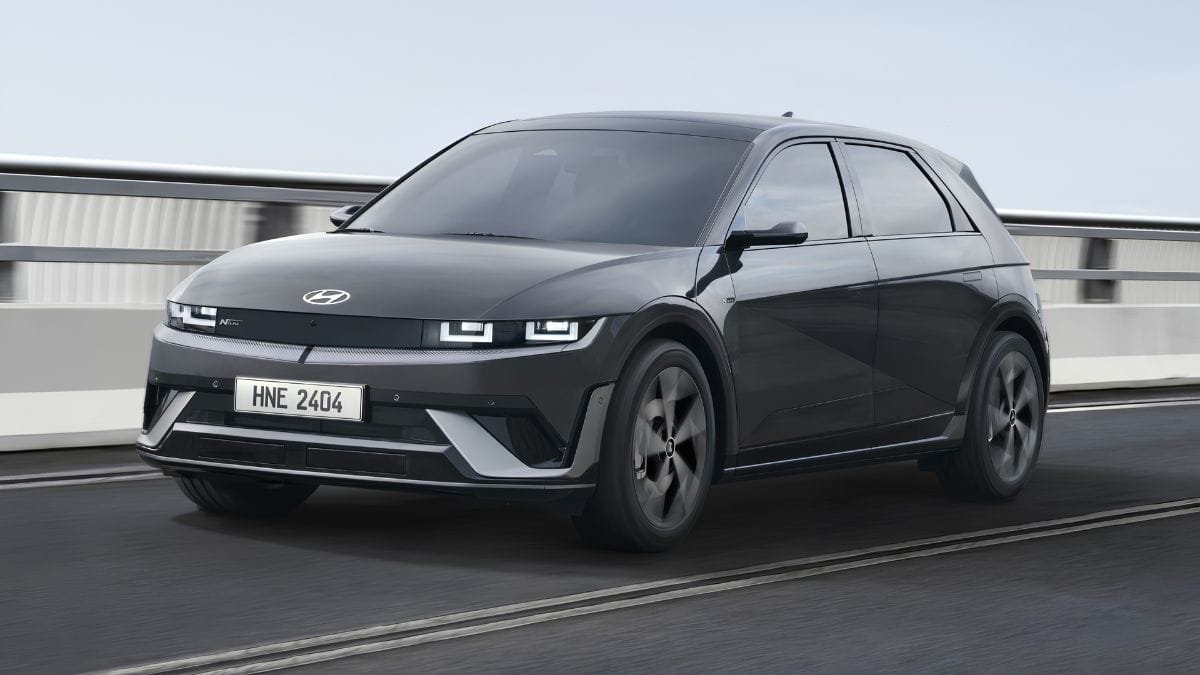
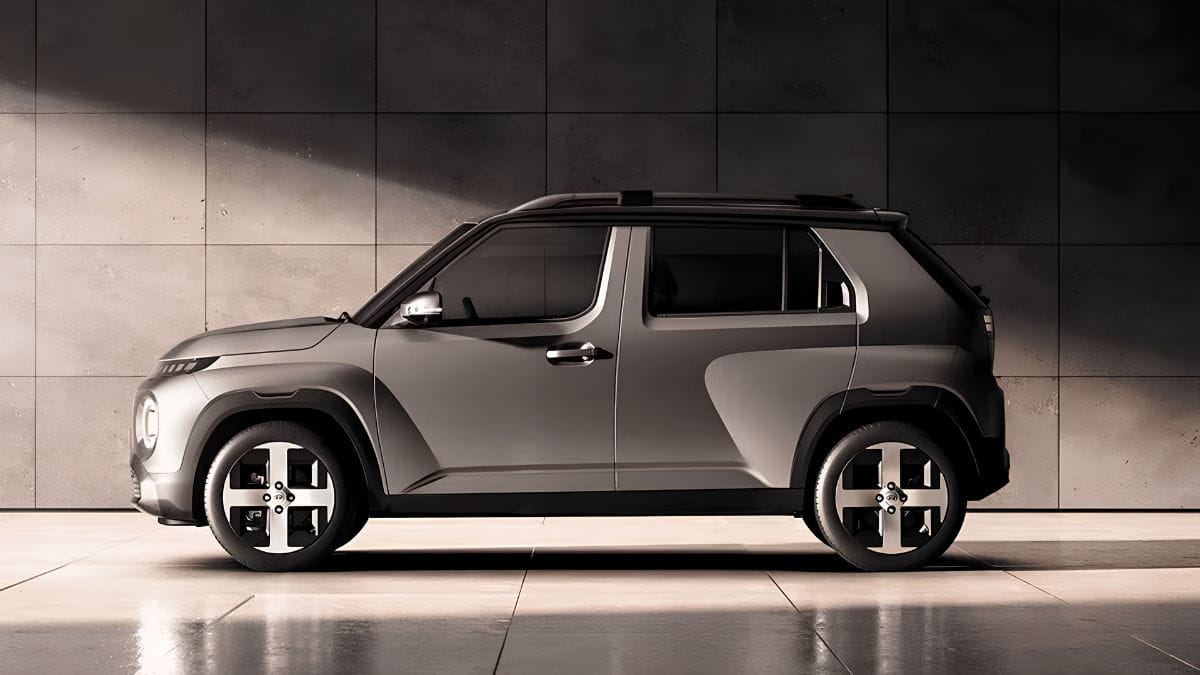
Models such as the Renault Bridger EV, Hyundai’s upcoming made-in-India compact EV, and the production version of the Mahindra Vision X concept indicate a clear shift in direction. These vehicles are not being positioned merely as basic city commuters. Instead, they are being developed as compact crossovers with broader usability and improved overall capability.
Shift
The most notable change lies in how these upcoming EVs are being conceptualised. Earlier entry-level electric cars were primarily designed for short-distance urban use, often prioritising cost over versatility. The next generation is expected to balance affordability with functionality.
This shift suggests that manufacturers are responding to evolving consumer expectations. Buyers are no longer looking only for low running costs. They also expect practicality, comfort, and the ability to handle varied driving conditions.
Models
Three upcoming vehicles are central to this transition. While final specifications and launch timelines may vary, their positioning offers insight into the segment’s future direction.
- Renault Bridger EV – Expected to be a compact electric SUV with practical proportions and improved range
- Hyundai compact EV – A locally developed model aimed at combining affordability with brand-backed reliability
- Mahindra Vision X (production version) – Likely to translate the concept’s design and technology into a mass-market offering
Each of these models is expected to contribute to expanding the entry-level EV space beyond its current limitations.
Capability
A key area of improvement is expected in driving range and efficiency. Earlier affordable EVs often faced constraints due to smaller battery packs and limited thermal management systems. These factors could affect real-world usability, especially in high-temperature environments.

The upcoming models are likely to address these concerns through better battery packaging and more advanced thermal control systems. This could result in more consistent performance across different driving conditions.
Improved energy management systems are also expected to play a role. These systems can optimise power usage, helping extend range without significantly increasing battery size. As a result, these vehicles may offer a more balanced ownership experience.
Positioning
Another important aspect is how these vehicles will be positioned within the broader EV market. They are expected to sit below established models such as the Hyundai Creta Electric and Tata Nexon EV.
This positioning allows manufacturers to target a wider audience, particularly first-time EV buyers looking for a more complete package at a relatively accessible price point.
Features
In terms of equipment and design, these sub-compact EVs are expected to align more closely with current consumer preferences. Buyers in this segment increasingly value features such as connected technology, touchscreen interfaces, and advanced driver information systems.
Design is also expected to play a significant role. Even at the entry level, SUV-inspired styling continues to attract buyers. These upcoming models are likely to reflect that trend, offering a more robust and contemporary visual appeal.
| Feature Area | Expected Improvements |
|---|---|
| Range | Higher real-world driving range |
| Efficiency | Better energy optimisation |
| Thermal Management | Improved heat handling systems |
| Technology | Connected features and infotainment |
| Design | SUV-inspired styling |
Market
The broader EV market in India is gradually expanding, supported by policy initiatives and increasing awareness. However, the entry-level segment remains critical for large-scale adoption.
By offering a more well-rounded product, automakers may be able to address concerns related to usability and practicality. This could help bridge the gap between affordability and expectations.
Competition is also expected to intensify as more manufacturers enter this space. This may lead to further improvements in product quality and pricing strategies over time.
Outlook
Looking ahead, the introduction of these sub-compact electric SUVs could mark an important step in the evolution of India’s EV ecosystem. Rather than focusing solely on cost, manufacturers appear to be working towards delivering a more complete ownership experience.
If these models meet expectations in terms of range, efficiency, and features, they could make electric mobility more accessible without compromising on essential aspects. This would represent a meaningful shift from the earlier phase of entry-level EV offerings.
In summary, the upcoming wave of sub-compact EVs reflects a broader change in how entry-level electric vehicles are being designed and positioned. With improved capability and a more balanced feature set, these models may contribute to shaping the next phase of EV adoption in India.
FAQs
Which EVs are expected in this segment?
Renault Bridger EV, Hyundai EV, Mahindra Vision X.
What is changing in entry-level EVs?
Better range, features, and usability.
Will these EVs be affordable?
They are expected to target entry-level buyers.
When will these EVs launch?
Expected within the next 2-3 years.
Why are these EVs important?
They could expand EV adoption in India.