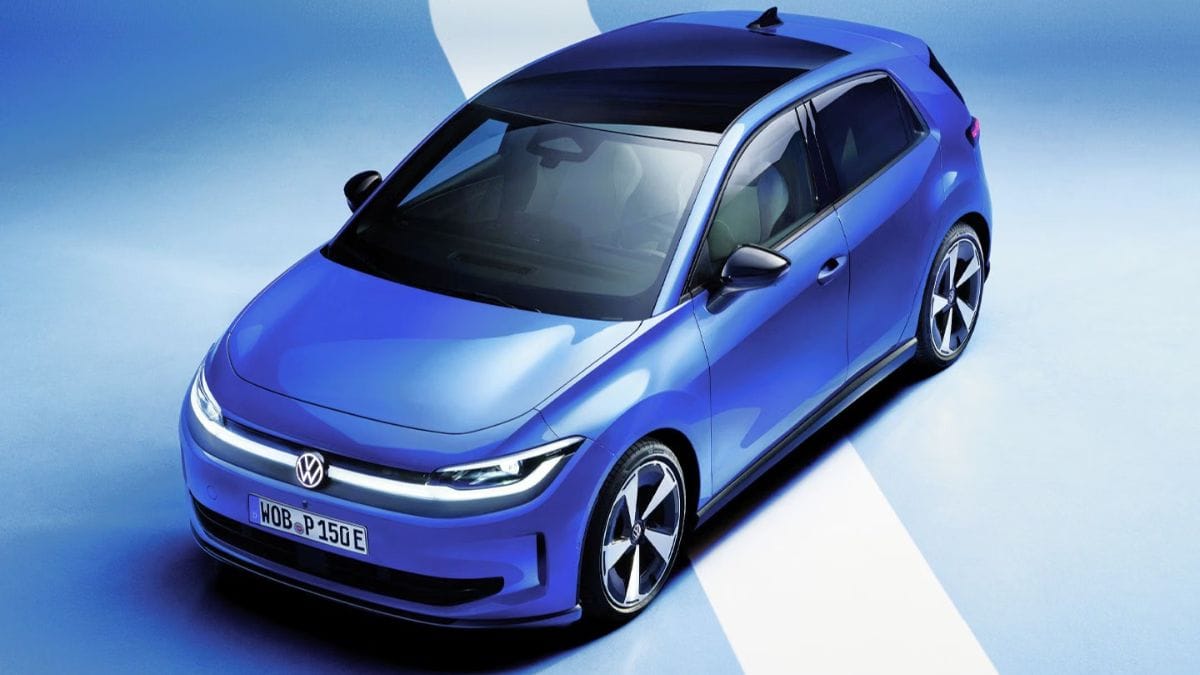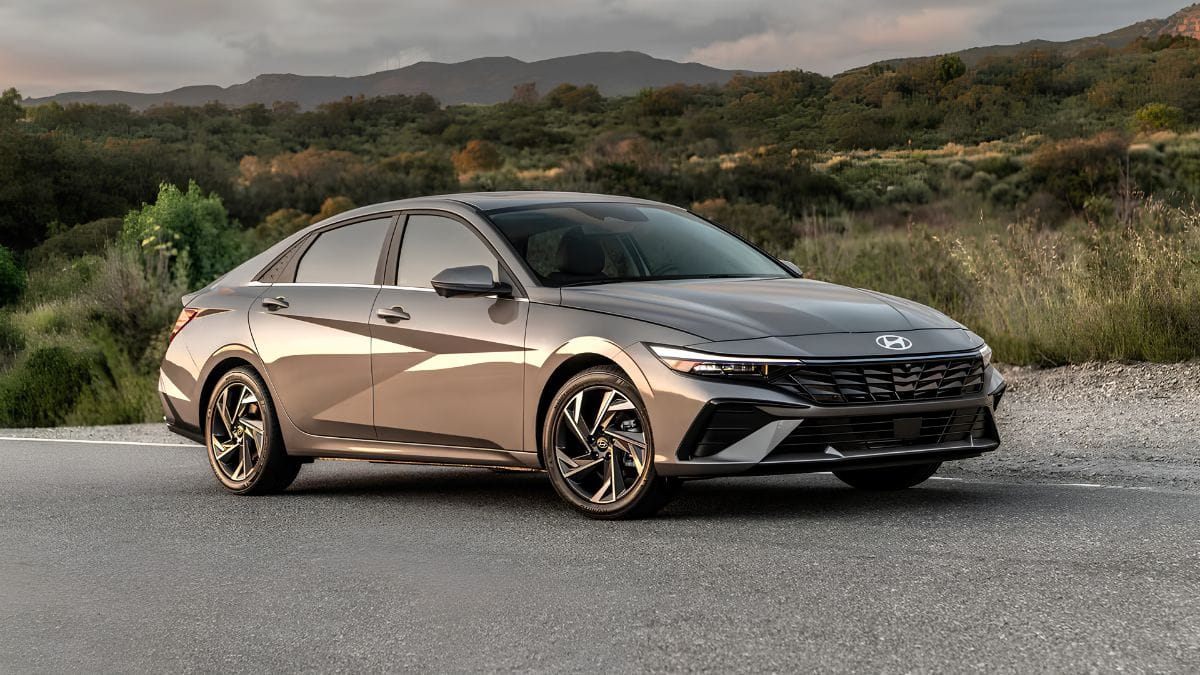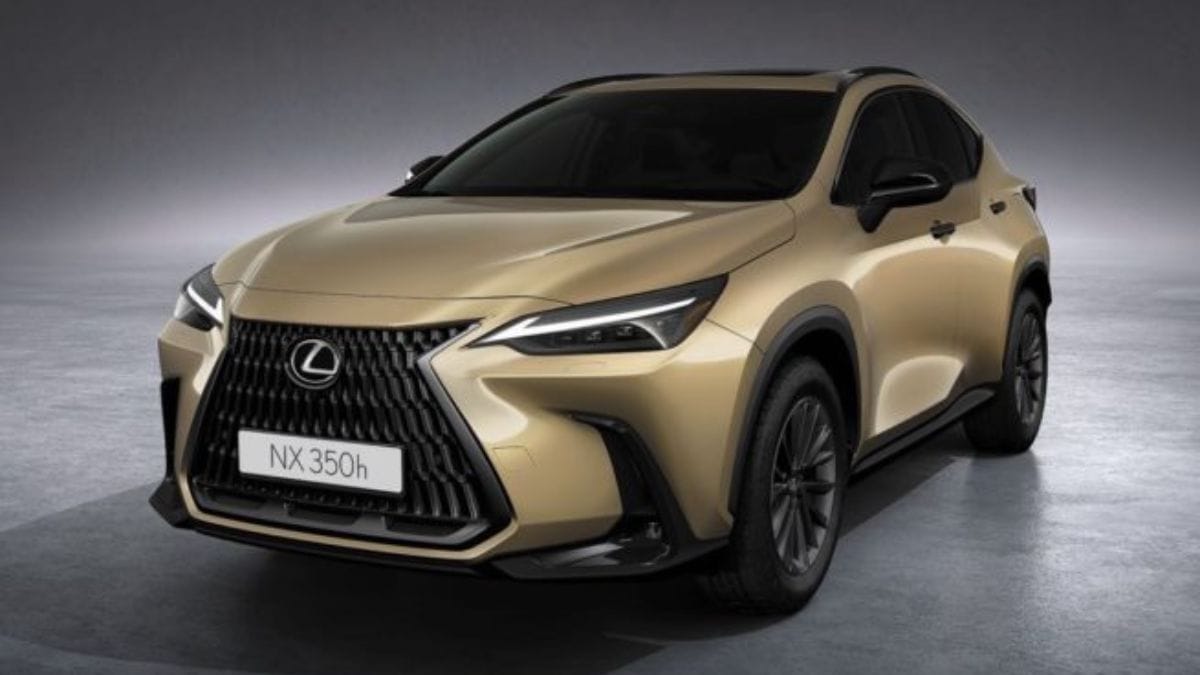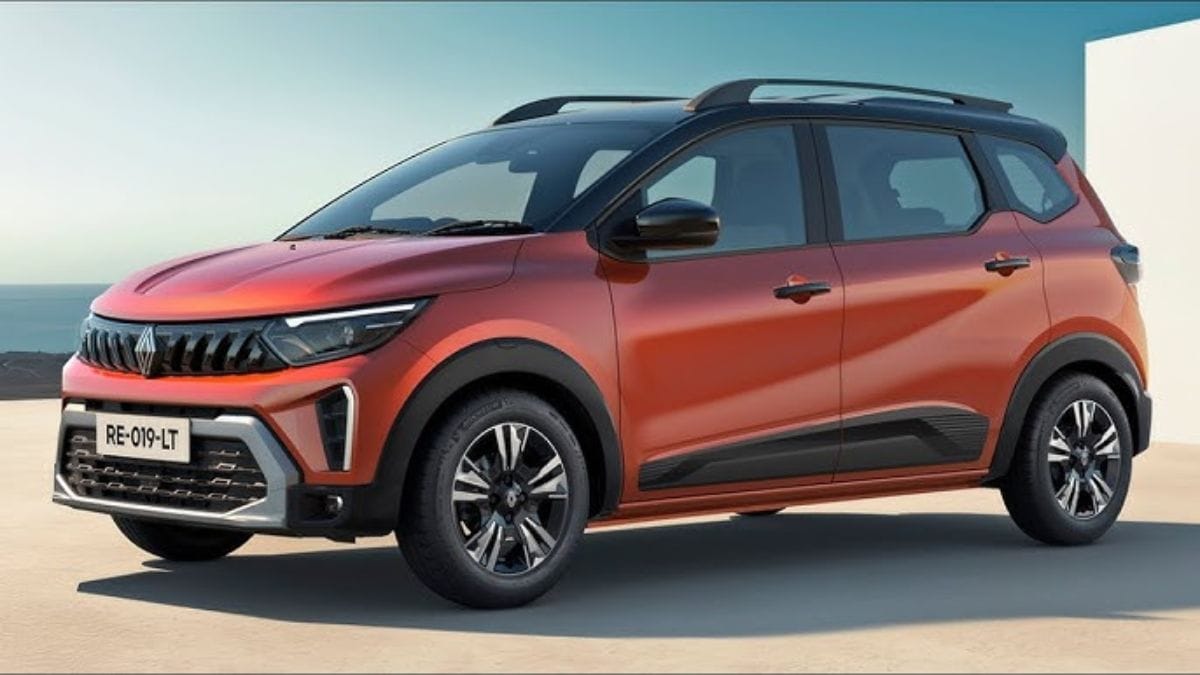
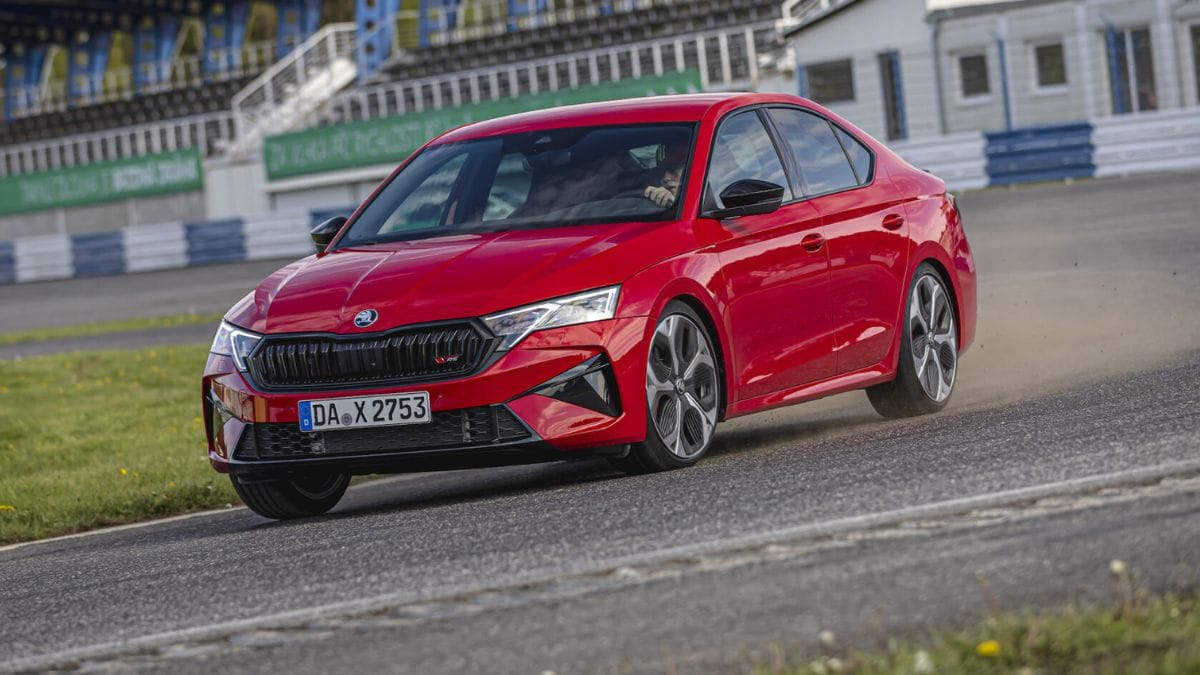
Performance cars are not designed for mass adoption, especially in a market like India where practicality, efficiency, and affordability dominate buying decisions. Yet, their presence continues to generate interest and discussion. Recent examples such as the Skoda Octavia RS and Volkswagen Golf GTI highlight this trend. Despite being niche offerings, both models saw strong demand, with their limited CBU allocations selling out quickly.
This raises an important question. If these cars are not practical for everyday Indian conditions, why do they still matter?
The Skoda Octavia RS and Volkswagen Golf GTI share similar mechanical underpinnings. Both are powered by a 2.0-litre turbocharged engine producing 261 bhp and 370 Nm, paired with a 7-speed DSG transmission.
| Model | Engine | Power | Torque | Transmission |
|---|---|---|---|---|
| Octavia RS | 2.0L Turbo | 261 bhp | 370 Nm | 7 DSG |
| Golf GTI | 2.0L Turbo | 261 bhp | 370 Nm | 7 DSG |
These specifications place them firmly in the performance category. However, their low ground clearance and premium pricing limit their everyday usability for a wider audience.

Demand
Despite these limitations, demand for such cars remains strong. The quick sell-out of allocated units indicates that there is a dedicated segment of buyers willing to invest in performance-focused vehicles.
This demand is not purely driven by practicality. Instead, it reflects an emotional and aspirational connection. For enthusiasts, factors such as driving dynamics, brand heritage, and engineering quality often outweigh concerns like ride comfort or fuel efficiency.
Reality
From a functional perspective, performance cars are not ideally suited to Indian road conditions. Speed breakers, uneven surfaces, and urban congestion make it difficult to fully utilize their capabilities.
A non-enthusiast buyer may see limited value in such vehicles. However, this viewpoint does not fully capture their role in the automotive ecosystem.

Performance cars are not intended to replace mass-market models. Their purpose lies elsewhere.
Halo
One of the most significant roles played by performance cars is that of a halo product. These vehicles represent the peak of a manufacturer’s engineering capabilities.
Halo products are typically produced in limited numbers and may not always contribute significantly to direct profits. However, they serve as platforms for innovation and experimentation.
They also influence brand perception. When a consumer encounters a product like the Golf GTI or Octavia RS, it creates an association with performance, precision, and driving engagement.

Perception
This perception extends beyond the product itself. A potential buyer may begin exploring other models from the same brand, even if those models are more practical and affordable.
For example, a customer impressed by the performance credentials of a Skoda or Volkswagen halo product may consider models like the Slavia or Virtus. While these cars are positioned differently, they carry elements of the brand’s engineering philosophy.
This process demonstrates how halo products indirectly contribute to sales across the lineup.
Strategy
For manufacturers, introducing performance cars is a strategic decision rather than a volume-driven one. These models help establish identity and differentiation in a competitive market.
Brands such as Skoda and Volkswagen operate in the mass-premium segment. For them, maintaining a strong brand image is essential. Performance cars reinforce this positioning by showcasing capabilities that standard models may not fully express.
Balance
It is not necessary for the market to be saturated with performance vehicles. India’s infrastructure and consumer preferences are not aligned with large-scale adoption of such cars.
However, a selective presence is beneficial. A few well-positioned performance models can sustain interest, build aspiration, and strengthen brand identity without overwhelming the market.
Outlook
As the Indian automotive market evolves, the role of performance cars is likely to remain niche but relevant. They will continue to act as technological showcases and brand builders rather than mainstream options.
Manufacturers may focus on introducing limited units or special editions to maintain exclusivity while still engaging enthusiasts.
Performance cars in India serve a purpose that goes beyond numbers. They represent engineering ambition, shape brand perception, and create aspirational value. While they may never become a common sight on Indian roads, their presence contributes to a more diverse and dynamic automotive landscape.
FAQs
Are performance cars popular in India?
They are niche but have strong enthusiast demand.
Why are they called halo products?
They showcase a brand’s top engineering capabilities.
Are performance cars practical in India?
Not always due to road and traffic conditions.
Do they help brands sell more cars?
Yes, indirectly through brand perception.
Will India see more performance cars?
Likely in limited numbers for niche buyers.