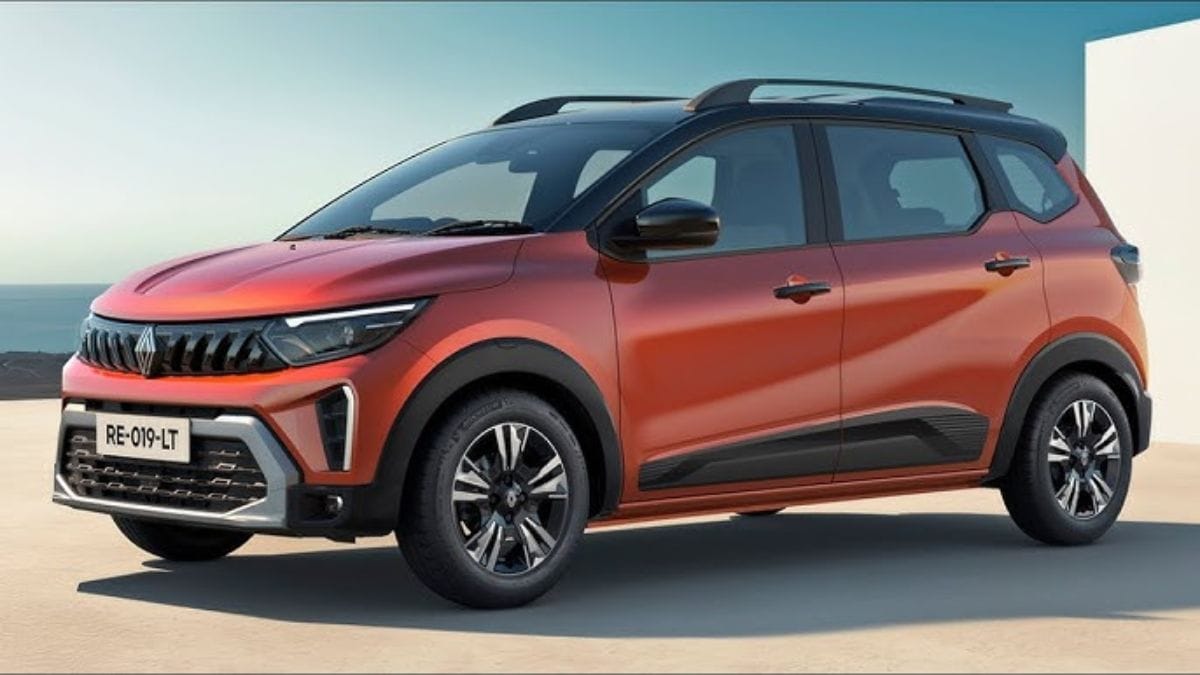
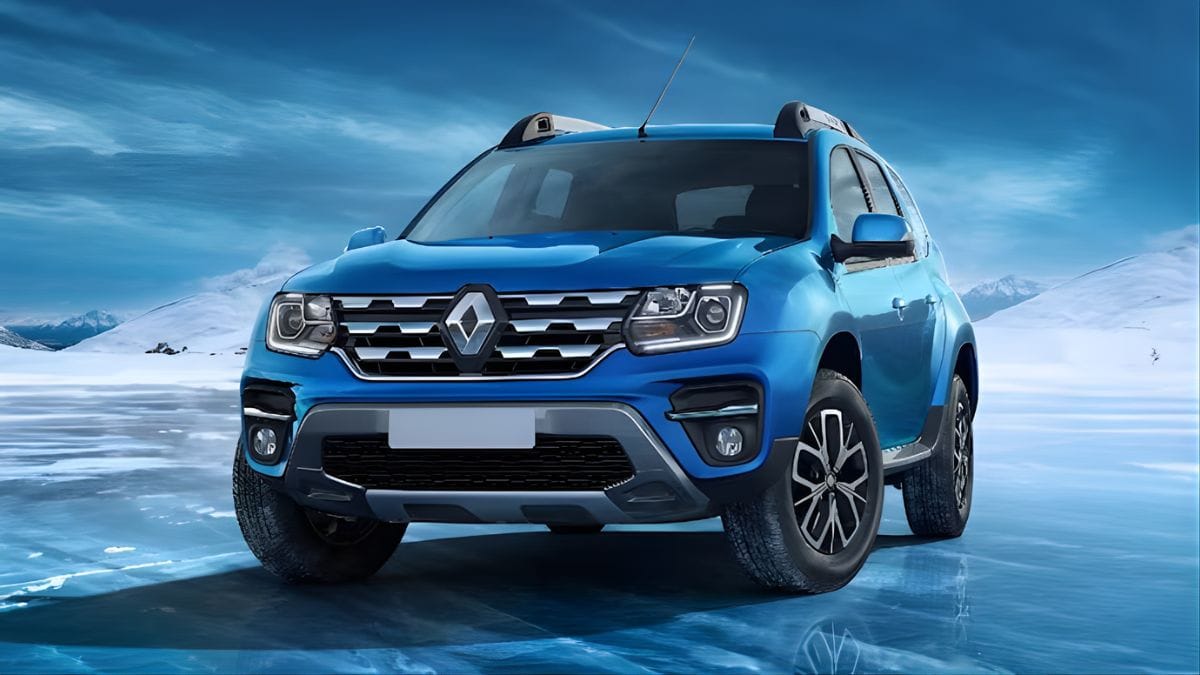
The return of the Renault Duster signals a notable shift in strategy for Renault India. With updated styling and features tailored for Indian buyers, the new model aims to re-enter a highly competitive mid-size SUV segment. However, beyond design and features, the focus is clearly on driving dynamics, where the Duster appears to establish a strong position, even as certain limitations remain.
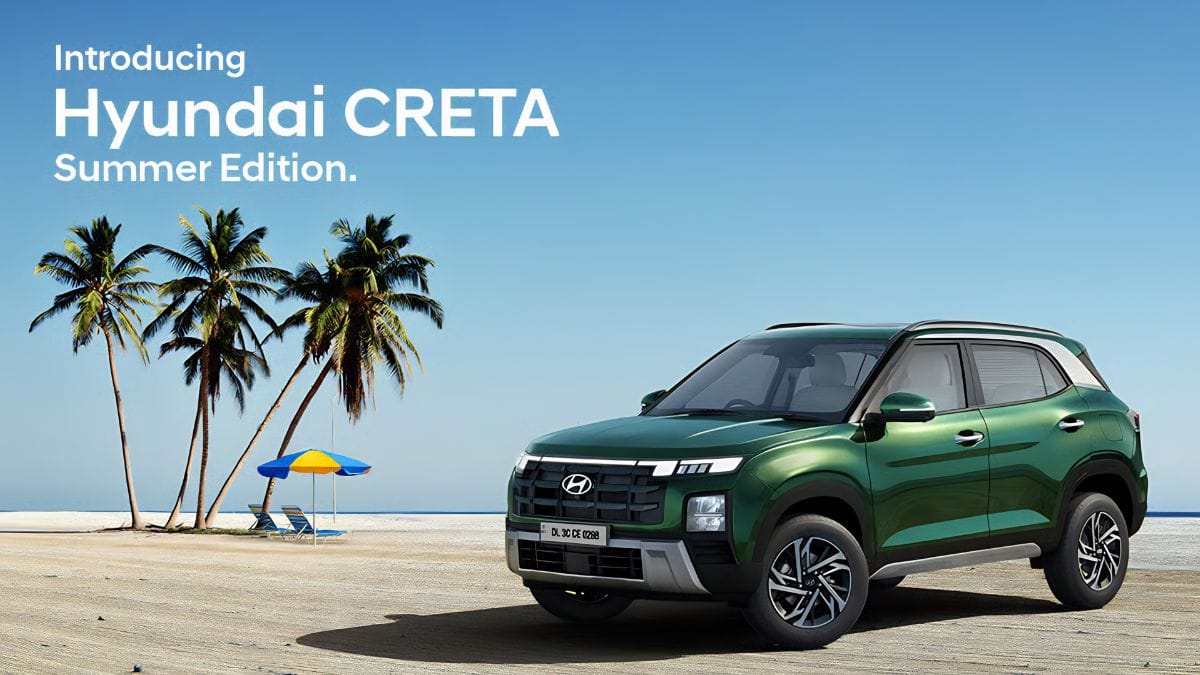
The mid-size SUV segment in India has evolved significantly, with buyers now expecting a balance of performance, comfort, features, and interior quality. Models like the Skoda Kushaq and Volkswagen Taigun have built their reputation on driving experience, while others like Hyundai Creta and Kia Seltos have focused on offering a more rounded package. The re-entry of the Duster introduces a product that attempts to prioritize driving engagement once again.
Approach
Renault’s new approach with the Duster reflects a clearer understanding of current market expectations. The design has been modernized, and India-specific updates indicate a more localized strategy. However, rather than competing solely on features, Renault appears to be emphasizing the driving experience as a key differentiator.
This positions the Duster slightly differently from rivals that focus heavily on in-cabin technology and comfort features.
Dynamics
One of the most notable aspects of the new Duster is its driving performance. It is likely to set a benchmark in terms of steering feedback and handling within its segment.
- Steering is more direct and communicative
- Body control remains composed, especially at higher speeds
- Overall handling offers a level of engagement that stands out
These characteristics make the Duster appealing to buyers who prioritize driving feel over outright comfort. The vehicle maintains stability and confidence, particularly during highway driving.
However, this focus comes with a compromise. The ride quality is expected to be firmer compared to the previous generation. While it may not absorb uneven surfaces as effectively, the trade-off appears intentional to achieve sharper on-road behavior.
Build
The Duster continues to retain its identity as a rugged and solid SUV. It feels more utilitarian and robust compared to some of its competitors, which often lean toward a more urban and refined appeal.
This “SUV-like” character may attract buyers who prefer durability and strength over a softer, more comfort-oriented driving experience.
Cabin
While the cabin has seen improvements, it still falls short in certain areas when compared to segment leaders. Interior quality and finish remain points of concern.
- Shoulder room is relatively limited
- Some plastic materials feel less premium
- A few expected features are still missing
In a segment where interior experience plays a significant role in purchase decisions, these factors could influence buyer perception.
Impact
The return of the Duster is expected to have a direct impact on models like the Volkswagen Taigun and Skoda Kushaq. Both vehicles are known for their driving dynamics, which has been their primary strength. The Duster now enters this space with a similar, if not stronger, focus on performance.
| Model | Key Strength | Potential Impact from Duster |
|---|---|---|
| Skoda Kushaq | Driving dynamics | Increased competition |
| Volkswagen Taigun | Handling and steering | Direct challenge |
| Hyundai Creta | Features and comfort | Limited impact |
| Kia Seltos | Balanced package | Limited impact |
The Taigun, which is due for an update, may face additional pressure to enhance its offering. Similarly, the Kushaq, despite recent improvements, could see increased competition in its core strength area.
Hybrid
Looking ahead, the introduction of a hybrid version of the Duster could further expand its impact. This variant is expected to target models like the Toyota Hyryder and Maruti Victoris, particularly their strong-hybrid versions.
If priced competitively, the hybrid Duster could appeal to buyers seeking fuel efficiency along with performance, thereby widening its market reach.
Segment
Despite its strengths, the Duster may not significantly affect all competitors. The Hyundai Creta and Kia Seltos are likely to remain relatively unaffected due to their well-rounded nature.
These models offer a combination of features, comfort, space, and brand value, which continues to resonate strongly with a broad range of buyers.
In contrast, the Duster’s more focused approach may appeal to a narrower audience, particularly those who prioritize driving experience over interior refinement and feature richness.
The return of the Renault Duster introduces a performance-oriented alternative in the mid-size SUV segment. Its strengths in handling, steering, and overall driving dynamics make it a strong contender against models like the Skoda Kushaq and Volkswagen Taigun.
However, limitations in cabin quality and feature offerings suggest that it may not appeal equally to all buyers. As competition intensifies, the segment is likely to see further differentiation between performance-focused and feature-rich offerings.
FAQs
Is new Duster coming to India?
Yes, expected to return soon.
Will Duster affect Kushaq sales?
It may increase competition.
Is Duster better for driving?
It focuses on strong dynamics.
Does Duster have hybrid version?
Hybrid version is expected.
Which cars are less affected?
Creta and Seltos remain stable.