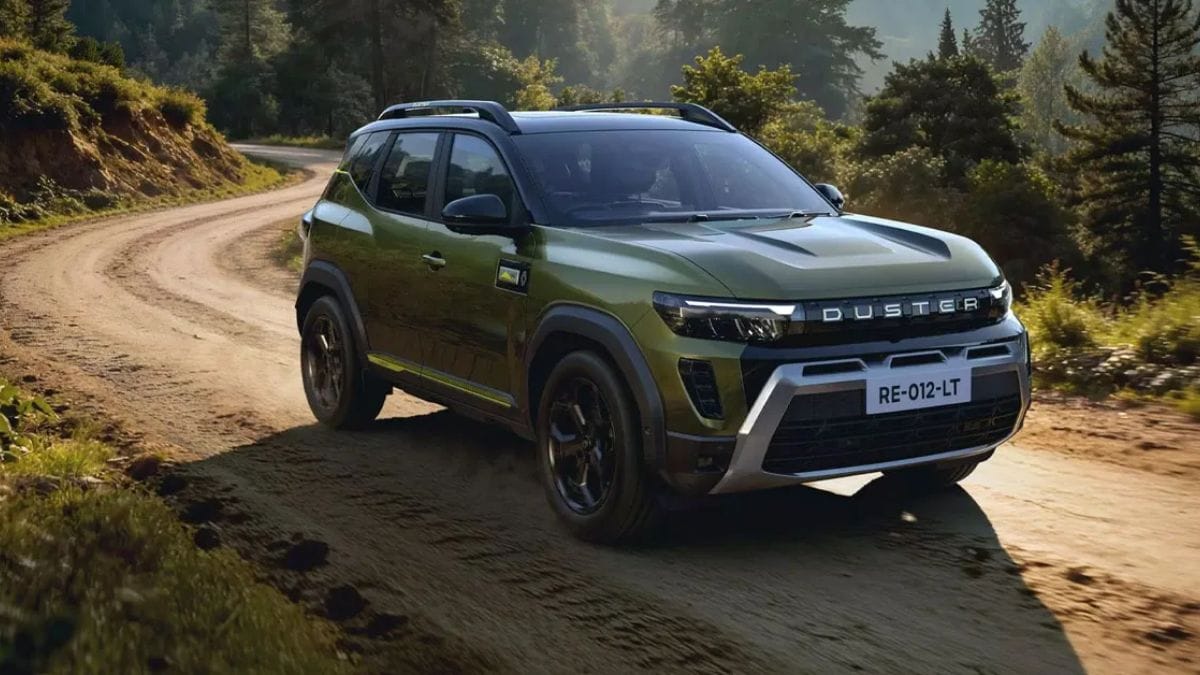
Renault is preparing to introduce the new-generation Duster in India, with the official launch scheduled for 17 March. Ahead of the launch, the company presented its new Renault Group Modular Platform (RGMP), which will form the foundation for several future vehicles in the Indian market.
This marks Renault’s first new platform introduction in India in nearly a decade. The platform is designed to support a wide range of vehicle sizes, body styles, and powertrain technologies. During the presentation, Renault shared several important details about the RGMP architecture and how it will shape the company’s future product strategy.
Below are some of the key takeaways from the deep dive into Renault’s new modular platform.
Introduction
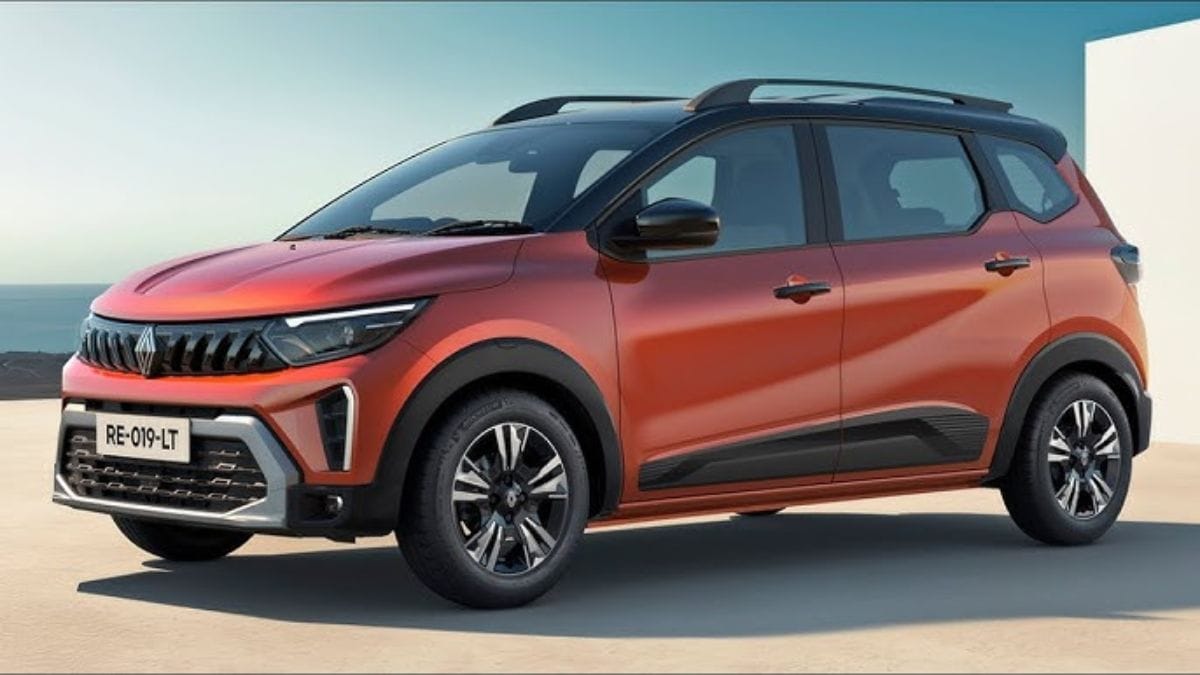
The Renault Group Modular Platform has been developed as a flexible base that can support different vehicle segments. It will underpin upcoming models including the new Renault Duster, the Bridger compact SUV concept, and a larger three-row SUV expected to arrive in 2027.
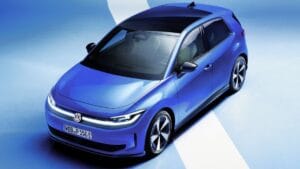
The Bridger concept is scheduled to be showcased on 10 March, just days before the Duster launch. Together, these vehicles indicate Renault’s renewed focus on the SUV segment in India.
Length
One of the most important aspects of the RGMP platform is its flexibility in terms of vehicle length. Renault confirmed that the architecture can support vehicles ranging from under four metres to approximately 4.7 metres in length.
This wide range allows Renault to develop different types of vehicles using the same platform while targeting multiple market segments.
The platform can also support varying wheelbases depending on the model.

| Parameter | Platform Capability |
|---|---|
| Vehicle Length | Under 4 metres to 4.7 metres |
| Wheelbase Range | 2.63 metres to 2.7 metres |
This flexibility means that smaller compact SUVs as well as larger three-row vehicles can be built using the same structural base.
Body
Renault has also designed the platform to support multiple body styles. In the automotive industry, this approach is often referred to as supporting different “top hats,” meaning different vehicle bodies can be built on the same underlying architecture.
While SUVs will remain the primary focus for Renault in India, the platform is capable of supporting other vehicle types if market demand emerges.
Possible body styles supported by RGMP include:
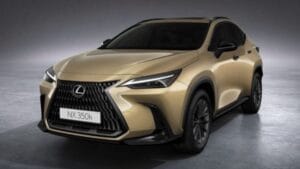
- SUV
- hatchback
- MPV
- coupé SUV
- sedan
This approach allows manufacturers to reduce development costs while expanding their product portfolio.
Powertrain
Another key advantage of the RGMP platform is its compatibility with a wide range of powertrain technologies. Renault confirmed that the platform has been engineered to support multiple fuel types and electrified systems.
Supported powertrain options include:
- petrol
- CNG
- flex fuel
- hybrid
- electric
The inclusion of electric capability is particularly important. Renault shifted from its earlier CMF-B platform to RGMP partly to integrate the Google SWEET400 vehicular architecture, which supports advanced digital systems and future technologies.
The upcoming Duster will initially launch with petrol engine options before introducing a hybrid variant later.
| Engine Option | Type | Launch Timeline |
|---|---|---|
| 1.0 litre turbo petrol | Petrol | Initial launch |
| 1.3 litre GDi turbo petrol | Petrol | Initial launch |
| 1.8 litre hybrid | Hybrid | Festival season 2026 |
Seating
The RGMP platform has also been engineered to support both two-row and three-row seating layouts. This capability allows Renault to develop vehicles for different customer requirements without needing a completely separate platform.
This flexibility will enable Renault to expand its lineup in India.
Expected vehicles based on this architecture include:
- next-generation Renault Triber
- Renault Duster
- Renault Bridger compact SUV
- upcoming three-row premium SUV
The larger three-row SUV is expected to arrive in 2027 and will likely compete in the mid-size SUV segment.
Safety
Renault indicated that the RGMP platform has been engineered with safety as a key priority. While the company did not explicitly confirm a targeted rating, it stated that the platform has been developed to achieve high safety standards.
The structure and safety systems are designed to meet requirements for both Global NCAP (GNCAP) and Bharat NCAP (BNCAP) crash testing.
In India, BNCAP ratings are becoming an important factor for many buyers when evaluating new vehicles. A strong safety rating could help strengthen the appeal of future Renault models.
Partnership
Renault’s long-standing partnership with Nissan will also benefit from this platform strategy. Both companies are expected to share several vehicles based on the RGMP architecture.
Upcoming Nissan models expected to use this platform include:
- Nissan Tekton SUV
- Nissan three-row SUV
- Nissan’s version of the Renault Bridger
By sharing platforms and technologies, both companies can reduce development costs while expanding their product offerings in the Indian market.
Renault’s introduction of the RGMP platform signals a broader shift in its product strategy for India. With flexibility in vehicle size, body style, seating layout, and powertrain options, the platform will support multiple new models over the coming years.
Starting with the new Duster and followed by the Bridger compact SUV and a three-row premium SUV, Renault aims to strengthen its position in the competitive SUV market while building a future-ready product lineup.
FAQs
What is Renault RGMP platform?
It is Renault’s new modular vehicle platform for future models.
When will the new Renault Duster launch in India?
The new Duster is scheduled to launch on 17 March.
What vehicles will use the RGMP platform?
Duster, Bridger SUV and a future three-row SUV.
What powertrains does RGMP support?
Petrol, CNG, hybrid, flex fuel and electric.
Can the RGMP platform support seven seats?
Yes, it supports both two-row and three-row layouts.