Renault has confirmed plans to introduce four new models in India by 2030, signalling a renewed focus on the country’s competitive mass-market car segment. The announcement indicates that the French automaker intends to expand beyond its current limited lineup and strengthen its position in one of the world’s fastest-growing automotive markets.
In recent years, Renault’s presence in India has largely depended on two models – the Kiger compact SUV and the Triber MPV. While both vehicles have helped maintain the brand’s visibility, competitors have broadened their portfolios with multiple launches across segments. Renault’s new strategy suggests a shift toward rebuilding its product range to remain relevant in a market that increasingly values advanced features, connectivity, and electrification.
Strategy
Renault’s decision to develop four new models locally reflects a broader commitment to the Indian market. Rather than relying primarily on global products adapted for India, the company plans to create vehicles specifically tailored to local needs.
This approach could help Renault address a wider range of customers while competing more effectively with brands that already offer strong product diversity. The company has indicated that these vehicles will target mass-market segments, which remain the largest and most competitive areas of the Indian passenger vehicle market.
Expanding the lineup is also likely intended to strengthen Renault’s dealer network and brand presence, both of which depend heavily on having a consistent flow of new products.
Bridger
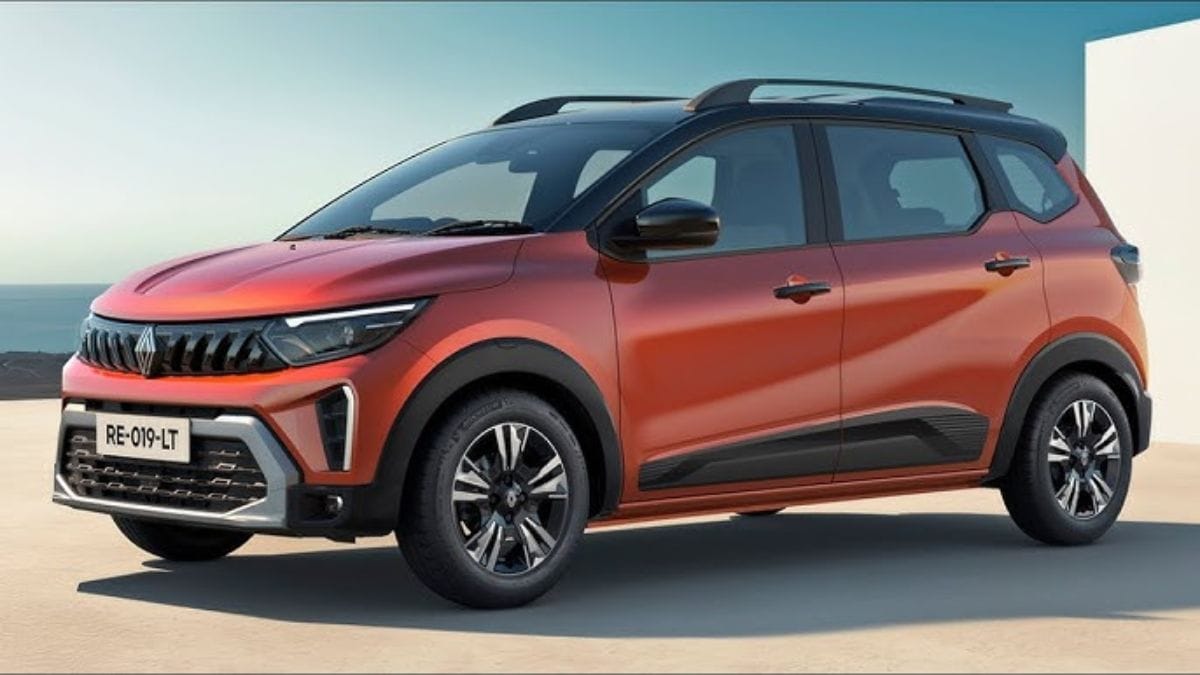
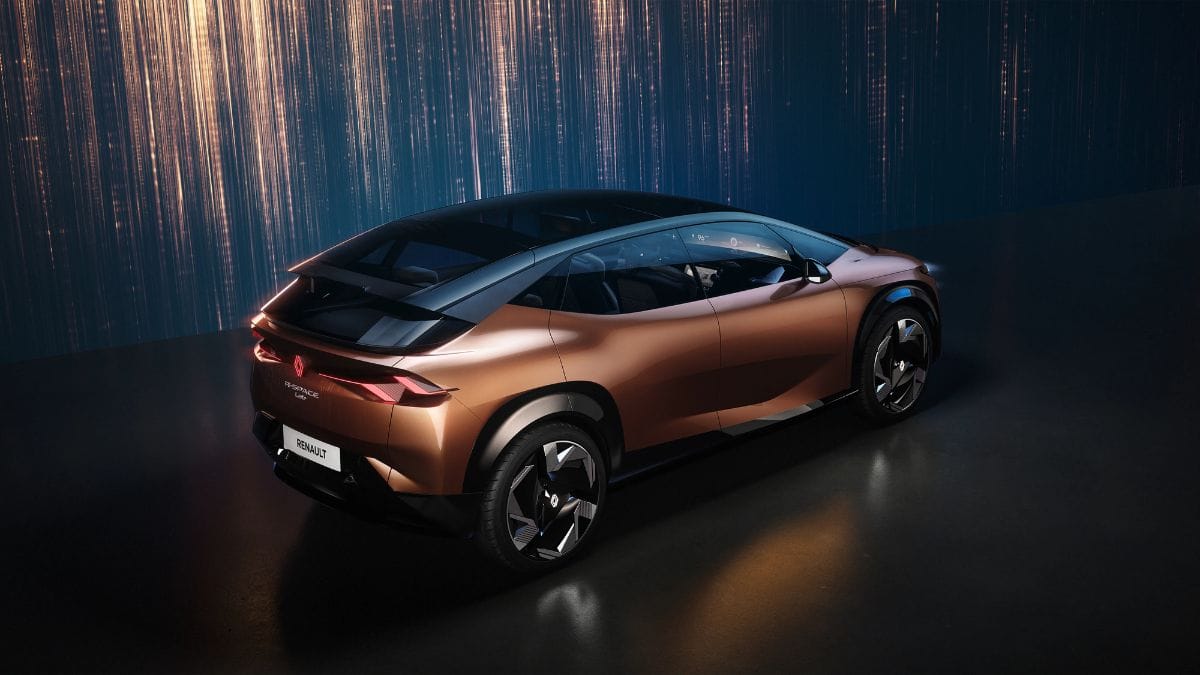
The first of the upcoming models will be the production version of the Renault Bridger. According to the company’s roadmap, this vehicle is expected to be launched in India by the end of 2027.
The Bridger will also mark an important milestone for Renault’s development process in the country. It will be the first vehicle created under the company’s accelerated development programme, which aims to bring new models from concept to production in less than two years.
Such timelines are relatively ambitious for the automotive industry, where vehicle development cycles traditionally take several years. By reducing this timeframe, Renault hopes to respond more quickly to changing market conditions and customer expectations.
Platform
A key element of Renault’s upcoming product strategy is the use of a modular vehicle architecture. This platform is designed to support multiple powertrain types within the same structural framework.
Using a modular architecture allows manufacturers to develop several vehicles efficiently while sharing core engineering components. This can reduce development costs and shorten production timelines.
For Renault, the platform’s flexibility means that future models can accommodate internal combustion engines, hybrid systems, or fully electric powertrains. This adaptability is particularly important in markets such as India, where the pace of electrification varies across regions and segments.
The ability to produce multiple powertrain options on the same platform may also help Renault comply with evolving regulatory requirements while offering consumers a broader range of choices.
Portfolio
Renault’s current product lineup in India is relatively small compared with many of its competitors. The brand currently sells three main models in the country.
| Model | Segment | Key Role |
|---|---|---|
| Renault Kwid | Entry-level hatchback | Budget urban mobility |
| Renault Kiger | Compact SUV | Core volume model |
| Renault Triber | Compact MPV | Affordable family vehicle |
While these models cover important segments, the limited portfolio restricts Renault’s ability to compete across the wider market. The introduction of four new vehicles could help fill these gaps and expand the brand’s reach.
The additional models may include new SUVs or crossovers, as these body styles continue to dominate demand in India. However, Renault has not yet disclosed detailed specifications or segment positioning for the upcoming products.
Electrification
Another important consideration behind Renault’s future product plan is the gradual shift toward electrified mobility. India’s automotive market is beginning to adopt hybrid and electric technologies, although internal combustion engines still dominate overall sales.
By designing vehicles that can support multiple powertrain types, Renault can adapt its offerings as the market evolves. For example, a vehicle initially launched with a petrol engine could later be introduced with a hybrid or fully electric variant if demand increases.
This flexibility allows manufacturers to manage investment risks while preparing for stricter emissions regulations and changing consumer expectations.
Outlook
Renault’s plan to introduce four new models by 2030 represents a significant step toward expanding its presence in India’s mass-market segment. The strategy combines locally developed vehicles, faster development timelines, and a flexible platform capable of supporting different powertrain technologies.
However, the outcome will depend on how effectively these products align with market demand and competitive pressures. The Indian automotive sector continues to evolve rapidly, with buyers increasingly prioritizing safety features, digital connectivity, and electrification.
If Renault’s upcoming models address these expectations while maintaining competitive pricing, the brand could strengthen its position in the market during the second half of the decade.
FAQs
How many new Renault cars are planned for India?
Renault plans to launch four new models in India by 2030.
What is the Renault Bridger?
It is an upcoming Renault model expected to launch by 2027.
What platform will the new Renault cars use?
They will use Renault’s modular architecture.
Will Renault offer electric versions of these cars?
Yes, the platform supports electric and hybrid powertrains.
Which Renault models are currently sold in India?
Kwid, Kiger, and Triber are currently available.