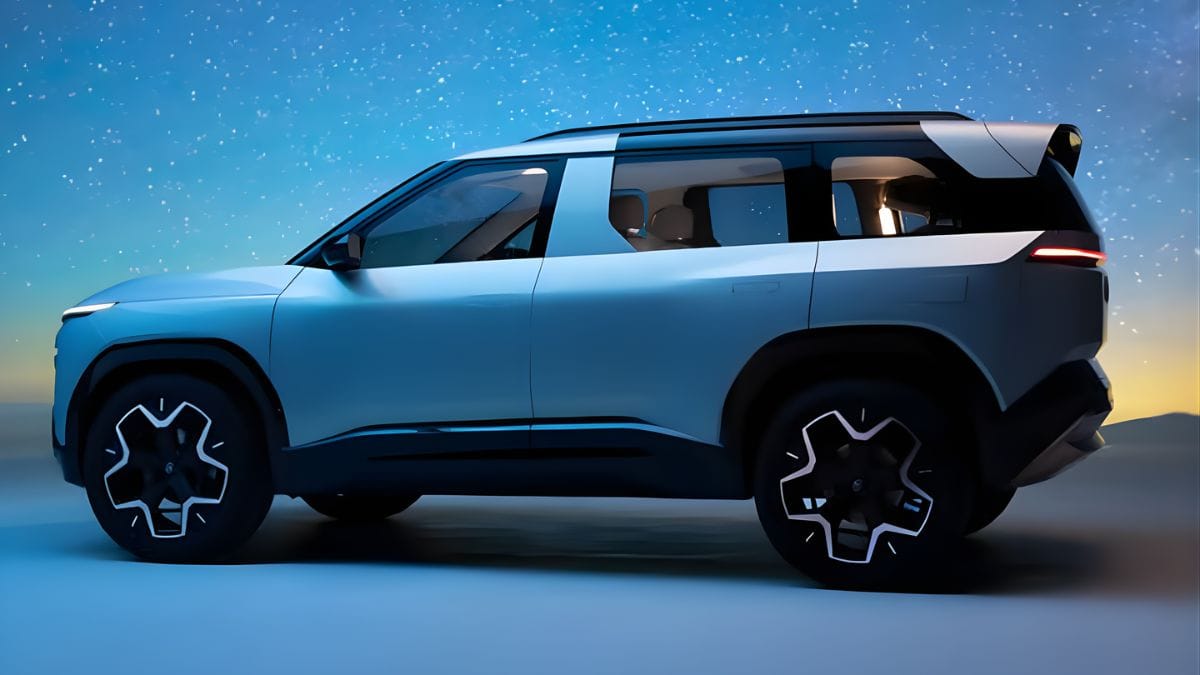
Tata Motors is preparing to introduce the Sierra EV in the Indian market in the coming months. While the initial plan was to launch the electric version first, followed by the internal combustion engine model, the company revised its strategy. The ICE version of the Sierra has already been available since November 2025 and has recorded over 20,000 deliveries, indicating strong market interest.
As attention shifts to the electric version, several factors suggest that the Sierra EV could be a competitive offering in its segment. This article outlines three key aspects that may work in its favour based on available information, early previews, and Tata Motors’ recent developments in electric mobility.
Space
The Sierra EV is expected to retain the design proportions and overall silhouette of its ICE counterpart. Early concept models, along with teaser visuals and test sightings, indicate a similar structural layout. This is important because the ICE Sierra is already known for offering a spacious and comfortable cabin.
One of the defining features of the ICE version is its wheelbase of 2,730 mm. This dimension places it among the more spacious SUVs in its category. A longer wheelbase typically translates into better legroom, especially for rear passengers, along with improved ride stability.
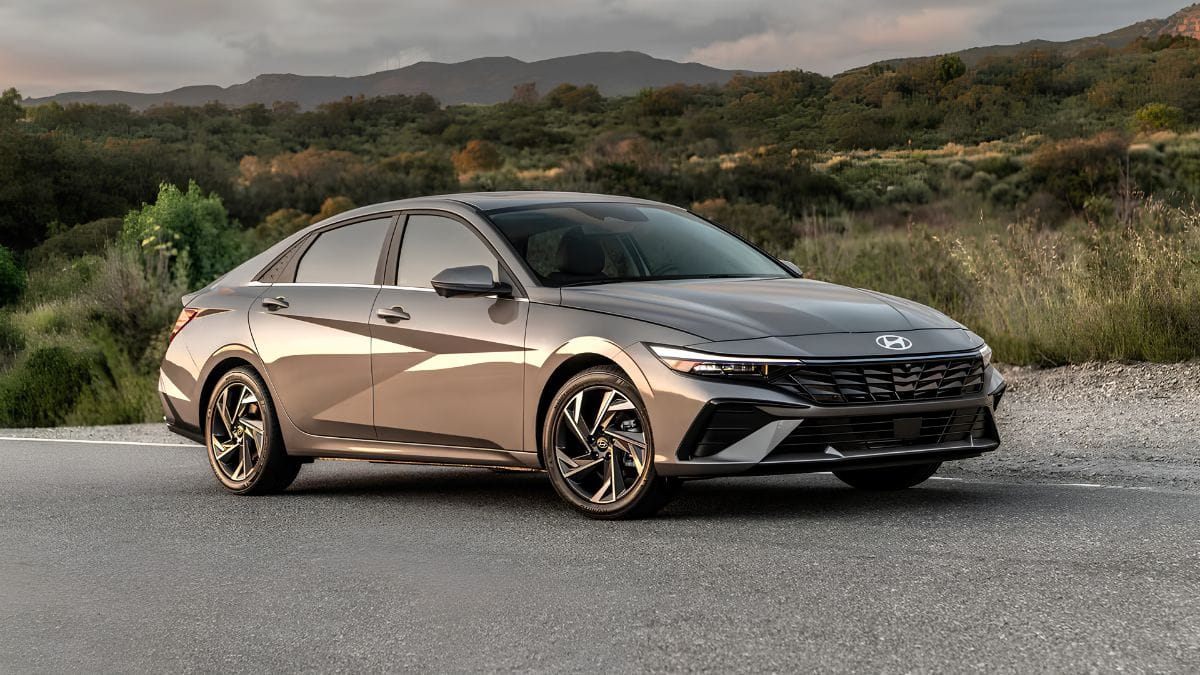
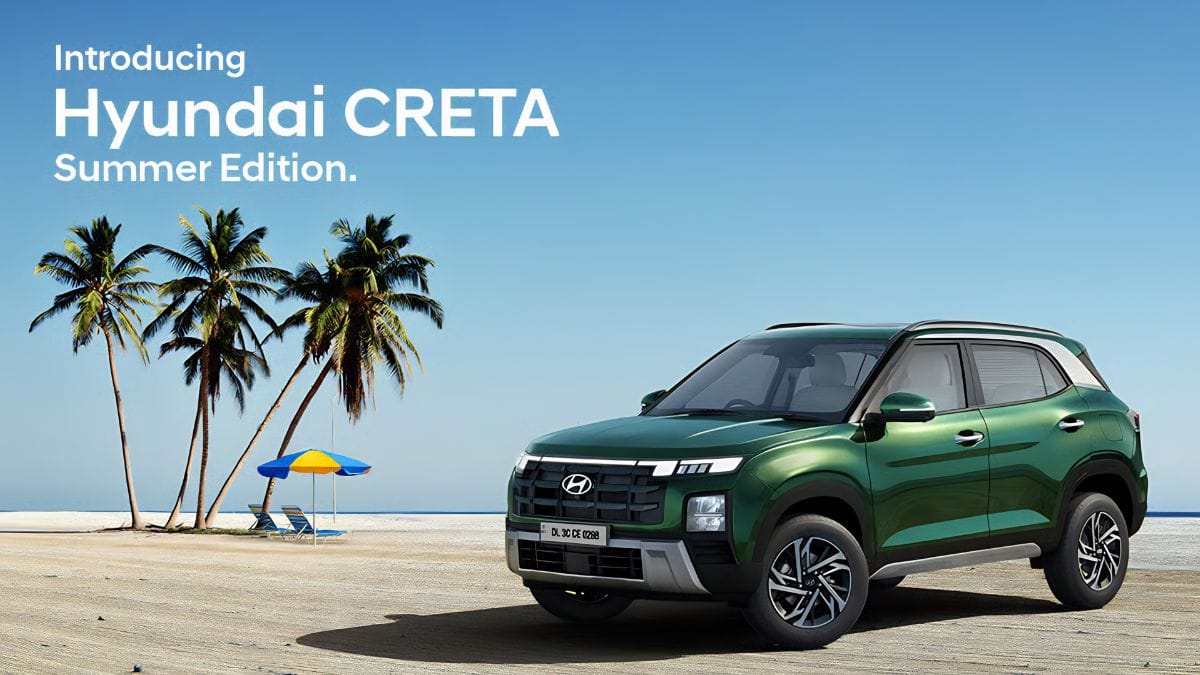
In comparison, competing models such as the Hyundai Creta Electric are expected to offer a wheelbase of around 2,610 mm. The difference, while not drastic on paper, can influence real-world cabin comfort.
Another aspect is the cabin design. The Sierra lineup is known for its large glass areas, which contribute to a sense of openness and improved visibility. If this design approach is retained in the EV, it may enhance passenger comfort, particularly during long journeys.
Overall, the Sierra EV is likely to offer a practical and spacious interior, which remains a key consideration for buyers in this segment.
Range
Battery and performance details for the Sierra EV have not yet been officially disclosed. However, it is expected to share technological elements with other Tata electric vehicles, particularly the Curvv EV and advancements seen in the Punch EV.
Recent developments in Tata’s EV architecture focus on improved battery packaging and energy efficiency. This includes optimized cell layouts and reduced auxiliary energy consumption. These changes allow better use of available space and contribute to higher efficiency.
If similar systems are implemented in the Sierra EV, the vehicle could be offered with multiple battery pack options. This would allow buyers to choose between different range and pricing configurations.
Based on current expectations, the Sierra EV may deliver a claimed range close to 600 km. In practical driving conditions, a real-world range exceeding 400 km is considered achievable. This would place it competitively within the mid-size electric SUV segment.
Performance could also be a distinguishing factor. There is a possibility that Tata Motors may introduce an all-wheel-drive configuration. If implemented, this would provide improved traction and versatility, particularly on varied road conditions.
A comparison of expected range positioning is outlined below:
| Model | Expected Range (Claimed) | Wheelbase |
|---|---|---|
| Tata Sierra EV | Up to 600 km | 2,730 mm |
| Hyundai Creta Electric | Around 450 km | 2,610 mm |
These figures are indicative and subject to official confirmation at launch.
Price
Pricing strategy will play a decisive role in determining the market reception of the Sierra EV. The ICE version is currently priced between Rs. 11.50 lakh and Rs. 21.30 lakh, depending on the variant and configuration.
Based on this positioning, the Sierra EV could be introduced at a starting price in the range of Rs. 15 lakh to Rs. 16 lakh. This would place it within reach of a broader segment of buyers considering a transition to electric vehicles.
Tata Motors has also explored alternative ownership models, such as battery-as-a-service. This approach allows customers to purchase the vehicle at a lower upfront cost while paying separately for battery usage through a subscription model.
If this model is extended to the Sierra EV, it could further reduce the initial purchase cost. This would make the vehicle more accessible, particularly for first-time EV buyers.
A balanced pricing approach, combined with flexible ownership options, could strengthen the Sierra EV’s position in an increasingly competitive market.
Outlook
The Sierra EV enters a segment that is gradually expanding with new electric SUV offerings. Its potential strengths lie in interior space, expected driving range, and a pricing strategy that may appeal to a wide audience.
While final specifications and features will only be confirmed at launch, current indicators suggest that Tata Motors is focusing on practicality, efficiency, and accessibility. These factors have contributed to the success of its existing EV lineup and could influence the reception of the Sierra EV as well.
If the company delivers on these expectations, the Sierra EV may establish itself as a relevant option for buyers seeking a balance between utility and electric mobility in the mid-size SUV segment.
FAQs
When will Tata Sierra EV launch?
It is expected in the coming months of 2026.
What range can Sierra EV offer?
Up to 600 km claimed range.
Will Sierra EV have AWD option?
It may offer all-wheel-drive setup.
What could be starting price?
Around Rs. 15 to 16 lakh.
Is BaaS available in Sierra EV?
It may be offered like Punch EV.