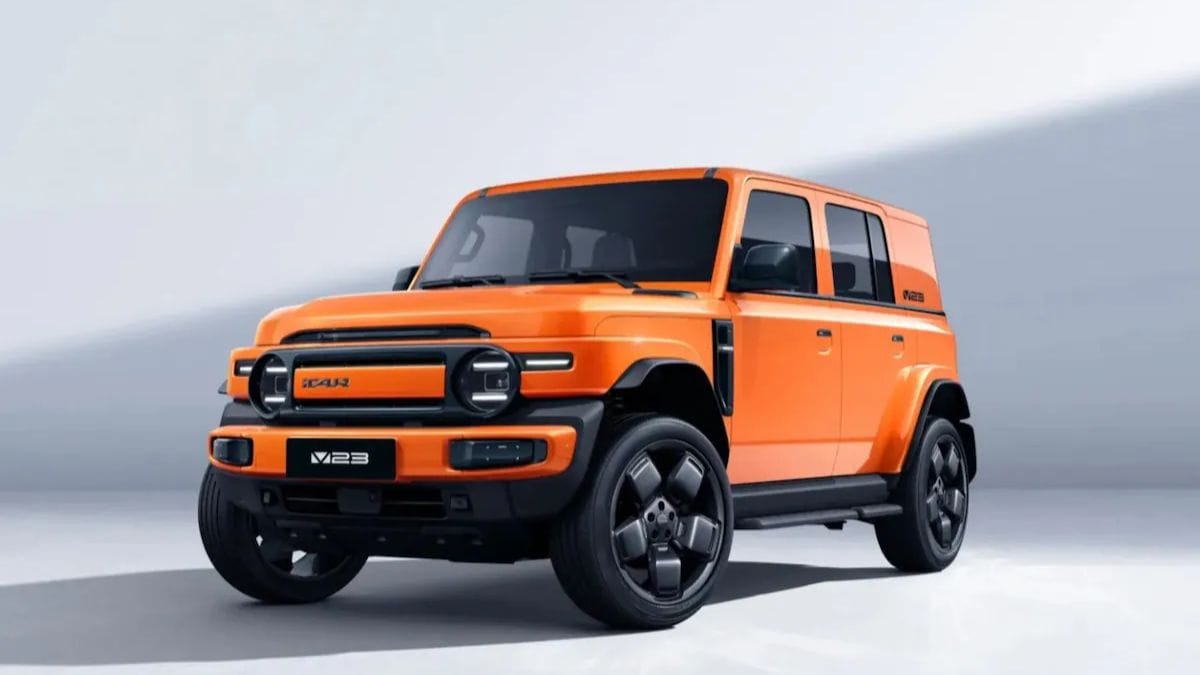
The Indian automotive market is entering a transition phase where efficiency, emissions, and electrification are becoming central to vehicle development. With stricter emission norms and the growing adoption of ethanol-blended fuels, manufacturers are introducing new powertrains that balance performance with sustainability.
Several upcoming SUVs are expected to reflect this shift. From plug-in hybrids to fully electric vehicles, these models are designed to meet future requirements while offering modern features and improved driving efficiency.
In 2026, the focus is not just on design or performance, but on how efficiently a vehicle uses energy. Automakers are looking into hybrid systems, battery electric vehicles, and upgraded platforms to remain compliant with regulations and consumer expectations.
Here is a closer look at five upcoming SUVs in India that will feature new-generation powertrains.
Jetour
The Chery Jetour T2 will mark the entry of JSW Motors into the Indian passenger vehicle market. This SUV will arrive as a plug-in hybrid, combining a petrol engine with an electric motor.
The petrol unit is a 1.5-litre engine producing 154bhp and 220Nm. It is paired with an electric motor generating 221bhp and 390Nm. The system is supported by a 26.7kWh LFP battery pack, offering an electric-only range of up to 139km.
Key features include a large touchscreen infotainment system, digital instrument cluster, wireless charging, ventilated seats, and a panoramic sunroof. The model is expected to be showcased in the fourth quarter of 2026.
iCAUR
The Chery iCAUR V23 represents a different approach, as it will be offered as a fully electric SUV. It has already been spotted testing on Indian roads, indicating progress toward launch.
This SUV will be available in two configurations. The all-wheel-drive version produces 201bhp and 292Nm, powered by an 81.76kWh battery with a claimed range of 430km. A two-wheel-drive variant with 134bhp and 189Nm uses a smaller 59.93kWh battery and offers a range of around 360km.
Unlike typical EVs, the iCAUR V23 retains a more traditional SUV design, including an open grille.
Ebella
Toyota’s Urban Cruiser Ebella will be its first all-electric offering in India. It is based on the Maruti e Vitara platform but features design changes, especially at the front.
The Ebella will be offered with two battery options:
| Variant | Battery | Power | Torque | Range |
|---|---|---|---|---|
| Base | 49kWh | 142bhp | 189Nm | – |
| Top | 61kWh | 172bhp | 189Nm | Up to 543km |
The SUV will include features such as a 360-degree camera, digital displays, premium audio system, and a powered driver seat. The focus here is on balancing range and comfort for daily usability.
Safari
Tata Motors is preparing to expand its electric lineup with the Safari EV. Positioned above the Harrier EV, this model is expected to offer enhanced performance and possibly a larger battery pack.
The Safari EV is likely to feature an all-wheel-drive setup, similar to the Harrier EV, but with improvements in power delivery and range. It is being developed as a competitor to upcoming electric SUVs from other Indian manufacturers.
While detailed specifications are yet to be confirmed, the model is expected to cater to buyers looking for a larger electric SUV with extended capabilities.
Sierra
The Tata Sierra EV is another significant upcoming model, combining a familiar nameplate with a modern electric platform. It is expected to feature both 65kWh and 75kWh battery options.
The SUV may include a four-wheel-drive configuration and slightly lower power output compared to other Tata EVs, focusing more on efficiency. Design changes will include EV-specific elements such as a closed grille and aerodynamic wheels.
Features are expected to include an updated infotainment system, connected car technology, panoramic sunroof, and powered tailgate. The Sierra EV is positioned as a practical yet modern electric SUV.
Trends
A clear trend across these upcoming SUVs is the shift toward electrification and hybridisation. Manufacturers are no longer relying solely on internal combustion engines. Instead, they are integrating electric systems to improve fuel efficiency and reduce emissions.
Another noticeable pattern is the variety of battery options being offered. This allows buyers to choose between affordability and extended range based on their usage.
In addition, features such as connected technology, advanced infotainment systems, and driver assistance tools are becoming standard across segments.
Outlook
The introduction of these SUVs reflects a broader transformation in the Indian automotive industry. As regulations evolve and infrastructure improves, more manufacturers are expected to follow this path.
For buyers, this means more choices in terms of powertrain, performance, and sustainability. Whether it is a plug-in hybrid for flexibility or a full EV for zero-emission driving, the upcoming lineup offers multiple options.
These five SUVs highlight how the market is adapting to changing requirements while maintaining practicality and feature-rich offerings.
FAQs
What is a plug-in hybrid SUV?
It uses both petrol engine and battery power.
Which SUV offers 500km range?
Toyota Ebella offers up to 543km range.
Is Tata Safari EV confirmed?
It is expected but full details are pending.
What is AWD in EVs?
Power is delivered to all four wheels.
Which is first JSW SUV in India?
Jetour T2 will be the first model.