Smartphones are central to daily life, but the way people interact with them has remained largely consistent over the years. Carl Pei, CEO of Nothing, has suggested that this may soon change.
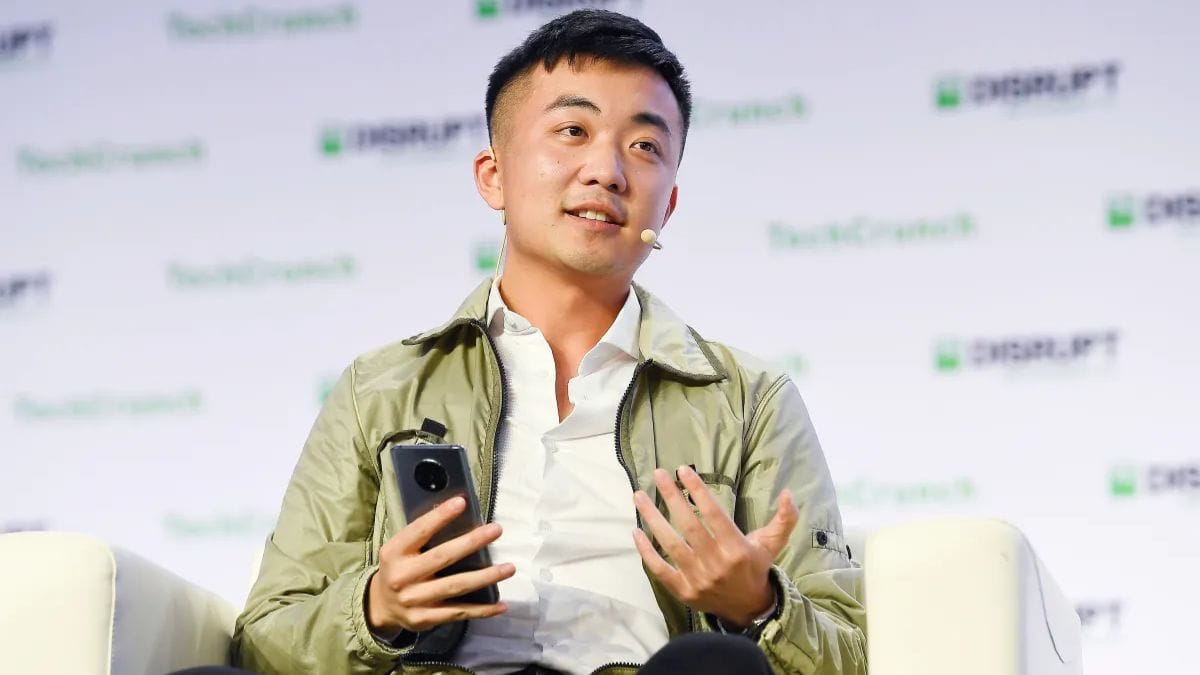
Speaking at South by Southwest (SXSW), he outlined a future where traditional mobile apps are replaced by artificial intelligence (AI) agents. These agents would handle tasks on behalf of users, reducing the need to switch between multiple applications.
Shift
Pei’s argument begins with a critique of the current smartphone interface. Despite advances in hardware and software, the core interaction model – lock screens, home screens, and standalone apps – has not significantly evolved in nearly two decades.
Today, completing even simple tasks often requires navigating several apps. For instance, arranging a meeting might involve booking a venue, sending messages, updating a calendar, and arranging transport. Each step is handled separately, requiring user input at every stage.

This structure, according to Pei, creates a fragmented experience that feels procedural rather than intuitive.
Agents
The alternative proposed is an agent-based system powered by AI. Instead of opening multiple apps, users would communicate their intent directly to a digital agent.
For example, a user could request: “Schedule a coffee meeting with a colleague tomorrow morning.” The AI agent would then interpret the request and execute the necessary steps, such as selecting a location, sending invitations, updating schedules, and arranging transportation if needed.
A comparison of the two approaches highlights the difference:

| Task Step | Current Method | Agentic Method |
|---|---|---|
| Booking | Open booking app | AI handles it |
| Messaging | Use chat app | AI sends message |
| Scheduling | Open calendar | AI schedules |
| Transport | Open ride app | AI books ride |
This model shifts the focus from managing tools to achieving outcomes.
Experience
In the current system, users are responsible for coordinating each step of a task. This often results in repetitive actions and increased screen time. The agent-based approach reduces this burden by consolidating multiple steps into a single request.
The experience becomes more outcome-driven. Instead of interacting with interfaces, users communicate goals, and the system manages execution. This approach resembles delegating tasks to an assistant, where the emphasis is on results rather than process.
Evolution
Pei also pointed to the broader potential of AI agents beyond task execution. As these systems develop, they may begin to offer proactive suggestions based on user behavior and preferences.

This could include recommending activities, optimizing schedules, or supporting health-related goals. Over time, such systems may build a detailed understanding of individual habits, allowing for more personalized and timely assistance.
However, this level of integration also introduces considerations around data use, privacy, and user trust.
Developers
The shift toward agent-based systems has implications for developers and technology companies. Traditional app development focuses on user interfaces designed for direct interaction. In contrast, agent-based ecosystems require systems that can be accessed and operated by AI.
Pei emphasized the importance of APIs and connector protocols, which allow external systems to interact with services programmatically. Developers may need to prioritize machine-readable interfaces over visual design.
The transition can be summarized as follows:
| Model | Focus |
|---|---|
| App-based | User interfaces |
| Agent-based | Machine interfaces |
This represents a structural change in how digital services are built and delivered.
Reality
While the concept of app-less smartphones is gaining attention, its implementation will likely be gradual. Several factors could influence the pace of adoption, including technical limitations, regulatory frameworks, and user acceptance.
Concerns around privacy, reliability, and transparency will need to be addressed before widespread adoption can occur. Additionally, existing app ecosystems are deeply established, making a rapid transition unlikely.
Impact
If agent-based systems become mainstream, they could reshape how users interact with technology. The emphasis would move from manual operation to automated assistance, potentially reducing friction in everyday tasks.
For businesses, this shift may require new strategies focused on integration rather than standalone applications. For users, it may lead to more streamlined and efficient digital experiences.
The broader implication is a transition from tools that require active management to systems that operate with a higher degree of autonomy.
FAQs
Will apps disappear completely?
They may decline, but not immediately.
What is an AI agent?
It performs tasks based on user intent.
Are AI agents reliable?
Reliability is improving but still evolving.
Why are APIs important?
They allow AI systems to access services.
When could this shift happen?
It is expected to occur gradually.