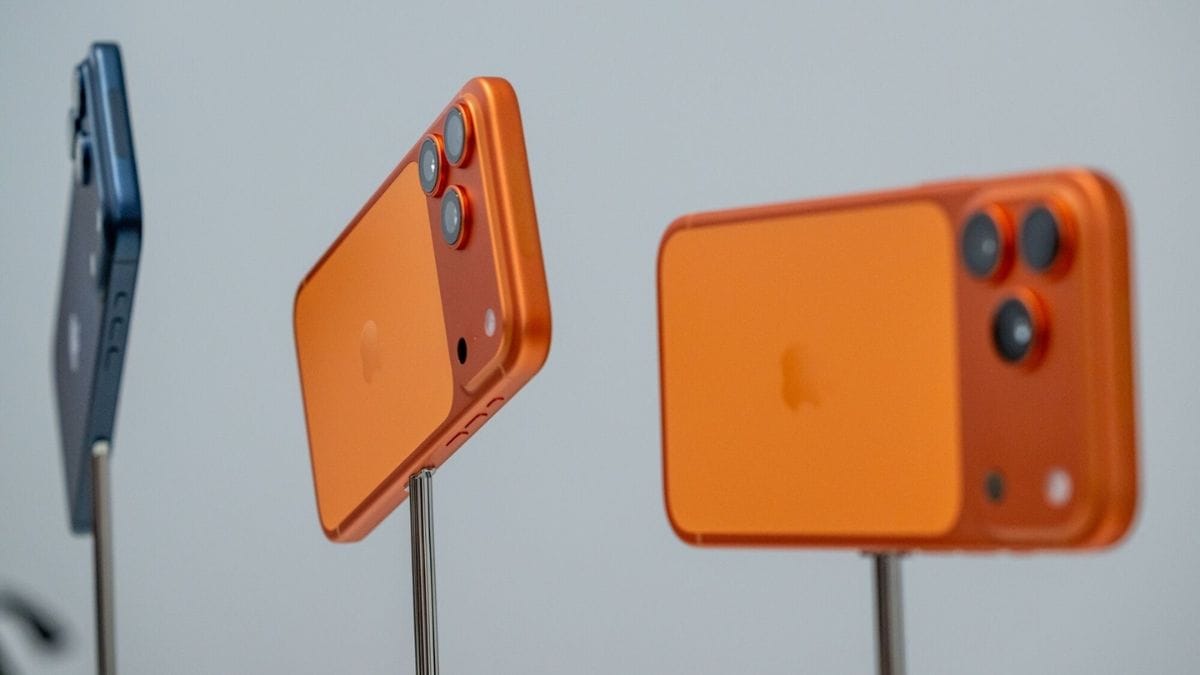
Apple’s upcoming iPhone 18 series could debut without a price hike, even as global memory prices continue to rise. According to renowned Apple analyst Ming-Chi Kuo, Apple is unlikely to increase base prices for the iPhone 18 lineup, pushing back against earlier speculation that higher component costs would lead to a more expensive iPhone generation.
The news may come as a relief to Apple fans, especially in price-sensitive markets like India, where iPhone pricing plays a crucial role in buying decisions.
Pricing
In a recent post on X (formerly Twitter), Ming-Chi Kuo of TF International Securities said Apple may absorb the increased costs rather than pass them on to customers. The decision, he claims, is strategic: by keeping prices flat, Apple could strengthen its market share, especially amid economic uncertainty and supply chain pressures.
If Kuo’s predictions hold, here’s how pricing could look:

| Model | Expected Starting Price | Previous Gen Price (iPhone 17) |
|---|---|---|
| iPhone 18 | ₹82,900 | ₹82,900 |
| iPhone 18 Pro | ₹1,34,900 | ₹1,34,900 |
| iPhone 18 Pro Max | ₹1,49,900 | ₹1,49,900 |
So far, Apple has not officially confirmed pricing or specifications, but the company typically announces new iPhones in September, with India among the early markets to receive them.
Memory
Kuo also highlighted a significant rise in LPDDR memory pricing during the first quarter of 2026. While NAND flash prices have increased at a slower rate, the trend points to growing pressure on hardware margins. To manage this, Apple is reportedly negotiating memory pricing every quarter instead of every six months – a shift that reflects the current volatility in the semiconductor market.
This internal strategy allows Apple to manage supplier relationships more dynamically and potentially lock in favorable pricing during turbulent cycles.
Strategy
Apple’s ability to maintain pricing stability despite rising costs reflects the company’s strong cash position and supply chain influence. Kuo believes Apple could use “market chaos” to secure necessary components and outmaneuver competitors, many of whom may be forced to raise prices or scale back features.

Additionally, Apple’s growing services revenue (from subscriptions like iCloud, Apple Music, and TV+) gives it financial flexibility to offset hardware margin pressure. This multi-pronged model helps Apple stay resilient when component prices surge.
Market
While Apple is expected to announce the iPhone 18 Pro and Pro Max in September 2026, the base iPhone 18 model could arrive early next year. The delay could be tied to supply chain adjustments or Apple’s typical staggered launch strategy.
Despite rising input costs, Apple appears committed to protecting its brand image and global pricing strategy. If prices remain unchanged, Apple will likely position the iPhone 18 series as a value-retaining flagship, especially in the face of growing competition from premium Android devices.
Outlook
Kuo’s comments suggest that the iPhone 18 series could buck the trend of yearly price increases, which have become common in the premium smartphone segment. While rising memory costs are real, Apple’s strategic pricing discipline and service-led revenue model may help maintain affordability for consumers – at least in relative terms.

Apple’s upcoming earnings call is expected to provide more insight into how it plans to navigate rising component costs. According to Kuo, Apple’s commentary could impact not just its own stock but also the broader tech supply chain, particularly memory and semiconductor companies.
FAQs
Will iPhone 18 be more expensive than iPhone 17?
Analyst Kuo suggests the iPhone 18 series may keep the same starting price.
Why are component costs rising for Apple?
Memory prices, especially LPDDR, have surged in early 2026.
What is the expected iPhone 18 release date?
Pro models may launch in September, base model could arrive later.
How will Apple manage the cost increases?
By absorbing costs and leveraging services revenue.
What was the iPhone 17 base price in India?
iPhone 17 started at ₹82,900, Pro at ₹1,34,900, and Pro Max at ₹1,49,900.