Mobile World Congress (MWC) 2026 in Barcelona has once again served as a platform for technology companies to introduce new concepts and demonstrate emerging capabilities. MediaTek used the event to highlight several developments related to satellite communication, artificial intelligence, and smartphone imaging technology.
Among the key announcements, the Taiwanese chipmaker demonstrated support for wireless emergency alerts delivered through satellite networks in collaboration with Starlink Mobile. The company also presented a prototype of privacy-focused AI glasses and showcased new extreme zoom capabilities designed for smartphones powered by its chipsets.
These demonstrations indicate MediaTek’s broader focus on connectivity resilience and AI-assisted mobile technologies.
Alerts
MediaTek announced that it is working with Starlink Mobile to enable wireless emergency alert messages through satellite communication. The feature is designed to ensure that users can receive critical alerts even when they are outside the coverage area of traditional mobile networks.

The company demonstrated this capability during MWC 2026 using a device powered by its MediaTek M90 modem. The modem, first introduced at last year’s MWC event, supports Sub-6GHz connectivity and satellite communication integration.
Satellite-based alerts can be particularly useful during natural disasters or emergencies when conventional telecom infrastructure may be unavailable. According to MediaTek, more than 4.4 million users have accessed Starlink Mobile services during emergency situations.
Systems
MediaTek stated that smartphones equipped with compatible MediaTek chipsets will be able to receive alerts from multiple global emergency alert systems.
| Alert System | Purpose |
|---|---|
| Wireless Emergency Alerts (WEA) | Public safety alerts in supported regions |
| Commercial Mobile Alert System (CMAS) | Disaster and emergency notifications |
| Earthquake and Tsunami Warning System (ETWS) | Early alerts for earthquakes and tsunamis |
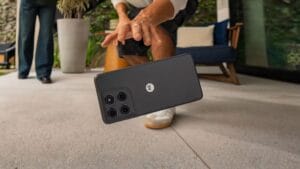
The WEA framework is already supported in several countries, including the United States, Canada, and Japan. By integrating satellite connectivity, the system aims to extend the reach of these alerts to areas without mobile tower coverage.
Satellite
The demonstration highlights a growing industry focus on satellite-enabled mobile communication. Several technology companies and mobile operators are working to integrate satellite connectivity into smartphones to improve reliability during emergencies.
MediaTek’s collaboration with Starlink Mobile shows how chipmakers and satellite network providers can work together to enable such features at the hardware level. When combined with compatible devices, this integration allows users to receive essential notifications without relying solely on terrestrial cellular networks.
Although the feature was demonstrated on a prototype device, it reflects ongoing efforts to make satellite communication a practical backup option for mobile users.
Glasses
In addition to connectivity technologies, MediaTek also showcased a new wearable concept called Omni Glasses. The device is described as a privacy-first AI glasses prototype designed to work alongside smartphones powered by the company’s Dimensity 9500 chipset.
The glasses are designed to provide real-time situational awareness using on-device artificial intelligence. Some functions operate without requiring a network connection, relying instead on the processing capabilities of the paired smartphone.
MediaTek has not confirmed whether the Omni Glasses will become a consumer product. The demonstration at MWC appears to focus on highlighting how AI processing on smartphones can support wearable devices.
Zoom
MediaTek also presented advancements in smartphone imaging technology, particularly related to zoom capabilities. The company demonstrated what it describes as extreme zoom functionality powered by machine learning algorithms and the image signal processor (ISP) integrated into its mobile chipsets.
These improvements aim to enhance long-distance photography and video capture on smartphones. According to the company, the technology can deliver zoom performance that approaches the capabilities of professional broadcast equipment in certain scenarios.
The demonstration suggests that AI-assisted image processing will continue to play a central role in improving smartphone camera performance.
Event
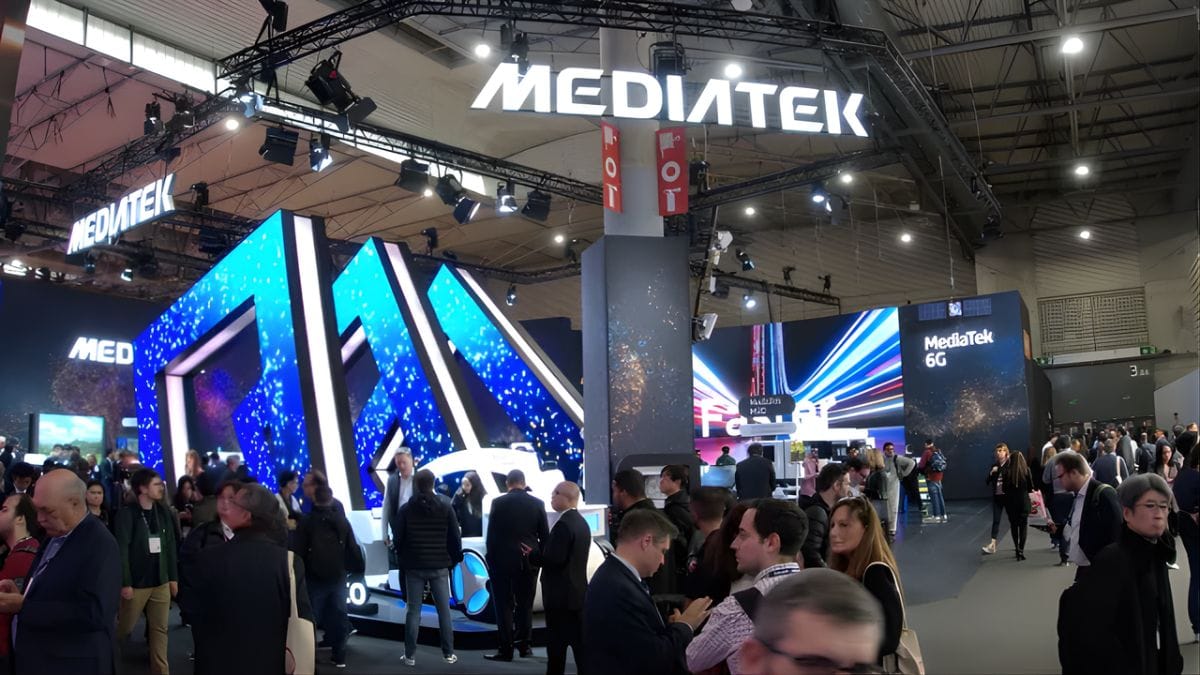
All of these demonstrations are being showcased at MediaTek’s booth during the Mobile World Congress 2026 event in Barcelona. MWC is one of the largest global technology exhibitions for the mobile industry, where companies introduce prototypes, research projects, and upcoming commercial technologies.
The event brings together smartphone manufacturers, telecom operators, chipmakers, and software developers. For companies like MediaTek, the exhibition provides an opportunity to demonstrate future capabilities that may eventually appear in consumer devices.
MediaTek’s presentations this year focused on improving mobile connectivity reliability, expanding the role of artificial intelligence, and enhancing smartphone imaging performance.
Overall, the company’s announcements at MWC 2026 highlight the growing integration of satellite communication, AI-powered wearables, and advanced camera processing within the mobile ecosystem. While some of the technologies remain in demonstration stages, they indicate the direction in which mobile hardware and connectivity solutions are evolving.
FAQs
What did MediaTek showcase at MWC 2026?
MediaTek showcased AI glasses, satellite alerts, and extreme zoom tech.
What is MediaTek’s satellite alert feature?
It enables emergency alerts via satellite using Starlink Mobile.
What are Omni Glasses by MediaTek?
They are privacy-focused AI glasses shown as a concept at MWC.
Which modem was used for the demo?
MediaTek demonstrated the feature using its M90 modem.
Which countries support WEA alerts?
The US, Canada, and Japan currently support WEA alerts.