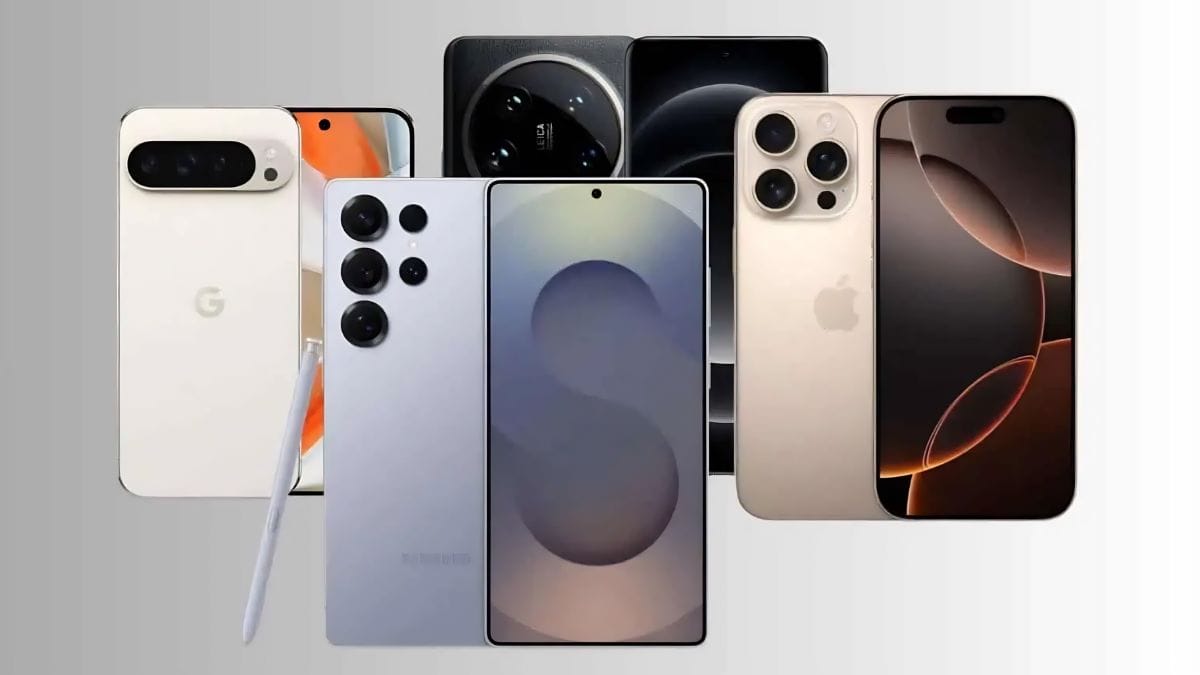
India’s smartphone market began 2026 on a weaker note, reflecting a mix of pricing pressure and cautious consumer demand. According to Counterpoint Research, shipments declined 3 percent year-on-year in the first quarter, making it the slowest Q1 performance in six years.
Despite the overall slowdown, brand-level movements and segment trends reveal a more nuanced picture. While established players maintained their positions, newer brands and niche segments showed notable momentum.
Market
The decline in shipments is linked to a combination of supply-side and demand-side factors. Rising memory costs, currency fluctuations, and price increases across segments have affected affordability.
Manufacturers also adjusted their launch timelines. Around one-third of new smartphone releases were pushed into Q1 2026 to offset earlier cost pressures. However, this did not fully translate into stronger demand.

Lower entry-level demand and extended replacement cycles further contributed to the slowdown. Consumers appear to be holding onto devices longer, especially as prices rise across categories.
Leaders
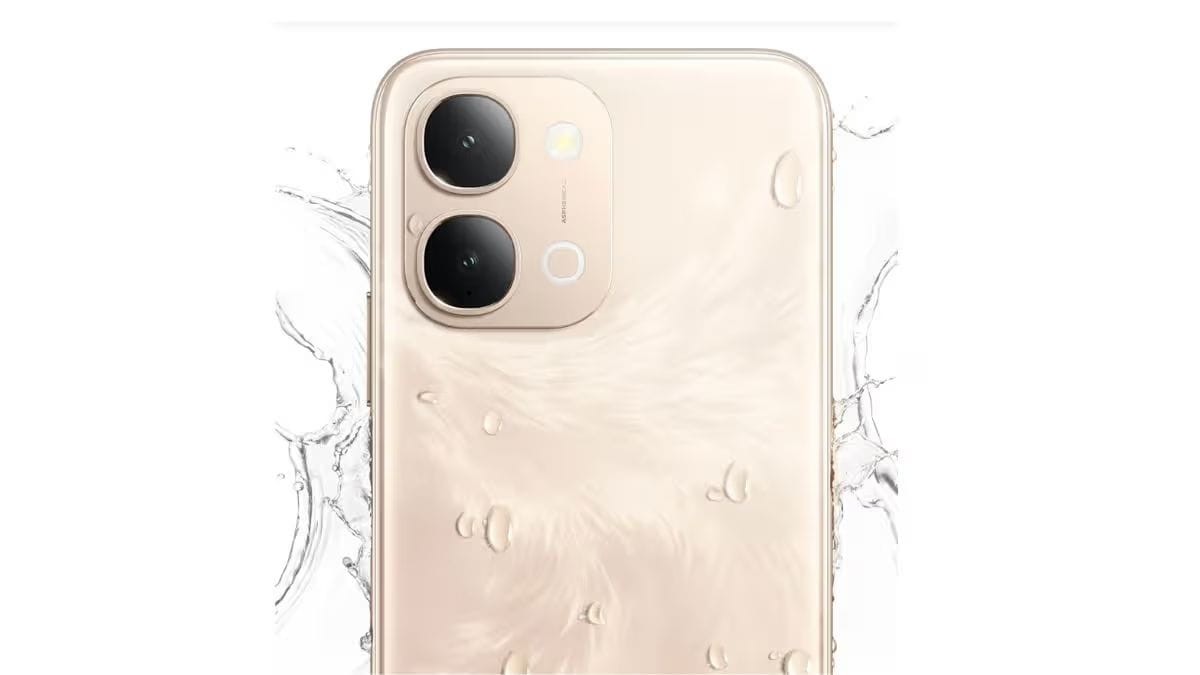
Vivo emerged as the market leader in Q1 2026, securing a 21 percent share. The company benefited from a steady stream of launches and strong demand in the mid-premium segment, particularly through its V-series lineup.
Samsung followed in second place. Its performance was supported by promotional offers on A-series models such as the Galaxy A07, A36, and A56. Early demand for the Galaxy S26 series, especially the Ultra variant, also contributed to shipments.
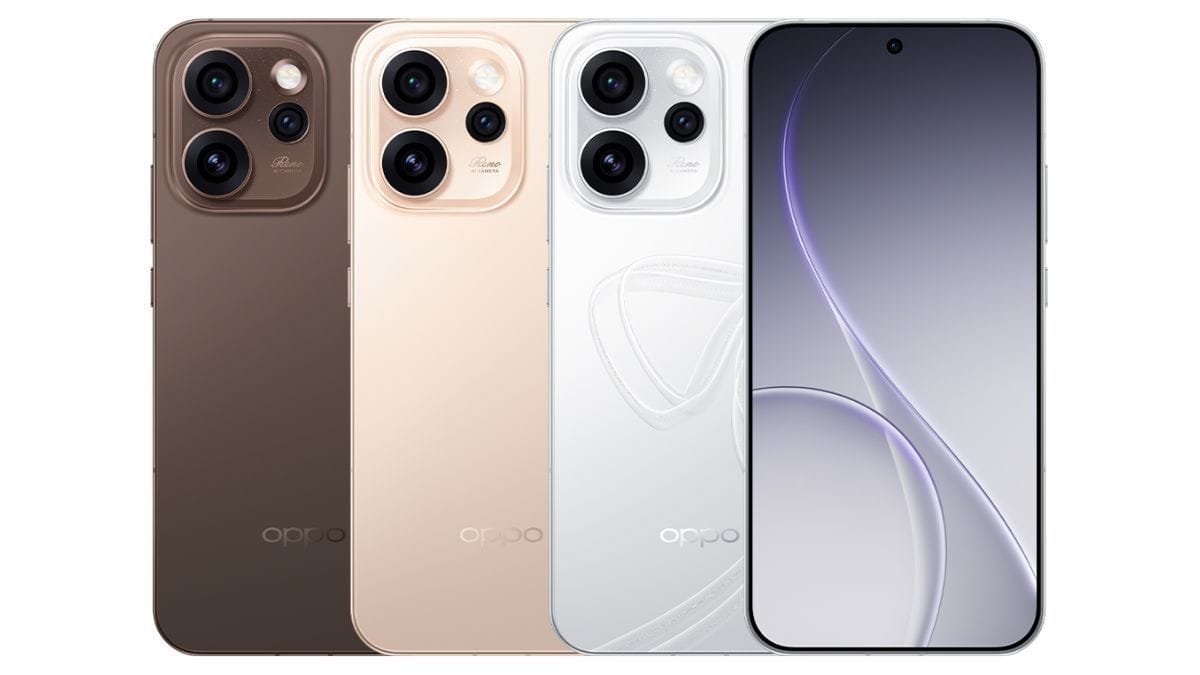
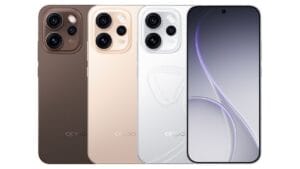
Oppo retained third position with a 14 percent share. Growth was driven by its budget A and K series, along with the Reno lineup.

A snapshot of the top players:
| Brand | Market Share | Key Drivers |
|---|---|---|
| Vivo | 21% | V-series, mid-premium demand |
| Samsung | Second | A-series offers, S26 demand |
| Oppo | 14% | Budget and Reno series |
| Xiaomi | 7.9% | Mid-range growth |
| Poco | 4.8% | Value-focused devices |
| Realme | 11% | Online demand, budget models |
| Apple | 9% | iPhone 17 series |
Segments
Different price segments showed varied trends during the quarter. Samsung recorded its highest shipment contribution from the Rs. 15,000 to Rs. 20,000 range, indicating steady demand in the upper budget category.
Xiaomi and Poco also saw growth in the Rs. 10,000 to Rs. 20,000 segment, reflecting continued interest in value-oriented smartphones.
Apple maintained a 9 percent share, driven by demand for the iPhone 17 series. In the premium category above Rs. 45,000, Google emerged as the fastest-growing brand with 39 percent year-on-year growth.
OnePlus continued to perform well in the Rs. 30,000 to Rs. 45,000 range, particularly through its Nord series.
Growth
While the overall market declined, select brands recorded strong growth. Nothing stood out with a 47 percent year-on-year increase, making it the fastest-growing smartphone brand in the quarter.
This growth was supported by:
- Expansion into offline retail
- Opening of its first exclusive store in India
- Continued demand for the Phone 4a series
Oppo also recorded growth among the top five brands, registering an 8 percent increase year-on-year.
These trends suggest that differentiated branding, focused product strategy, and retail expansion can still drive growth even in a slowing market.
Pricing
Rising smartphone prices remain a key concern. More than 80 models saw an average price increase of around 15 percent during Q1 2026.
This trend is expected to continue into the next quarter, with an additional 15 to 20 percent increase likely. The primary reason is sustained component cost inflation, particularly in memory.
A simple overview:
| Factor | Impact on Market |
|---|---|
| Memory price surge | Higher device costs |
| Currency movement | Increased import expenses |
| Price hikes | Lower affordability |
| Demand slowdown | Reduced shipments |
These pricing pressures are directly influencing consumer behavior, leading to delayed upgrades and reduced entry-level demand.
Chipsets
On the chipset front, MediaTek led overall smartphone shipments with a 49 percent share. Its presence remains strong in mid-range and budget devices.
Qualcomm, however, maintained leadership in the premium Android segment, holding over 50 percent share. This reflects its continued dominance in high-performance smartphones.
Outlook
The near-term outlook for India’s smartphone market remains cautious. According to Counterpoint Research, Q2 2026 could see a double-digit decline due to ongoing cost pressures and weak demand in entry-level segments.
For the full year, the market is projected to decline by around 10 percent year-on-year. A major contributing factor is the sharp rise in memory prices, which have increased nearly four times over the past three quarters.
This sustained cost inflation is affecting device pricing and extending replacement cycles, making recovery slower than expected.
India’s smartphone market in Q1 2026 reflects a period of adjustment rather than disruption. While overall shipments declined, leading brands maintained their positions and select players continued to grow.
Vivo’s leadership highlights the importance of strong mid-premium offerings, while Nothing’s growth shows the impact of focused brand strategy. At the same time, rising prices and cautious consumer spending remain key challenges.
The coming quarters will likely depend on how brands manage pricing, product positioning, and demand across different segments.
FAQs
Why did shipments decline in Q1 2026?
Due to price hikes and weak demand.
Which brand led the market?
Vivo led with 21 percent share.
Which brand grew the fastest?
Nothing grew 47 percent YoY.
Who leads premium segment growth?
Google led premium growth.
What is the 2026 market outlook?
Market may decline 10 percent YoY.